How to grow hanging flowers for balcony gardens: A simple beginner’s guide
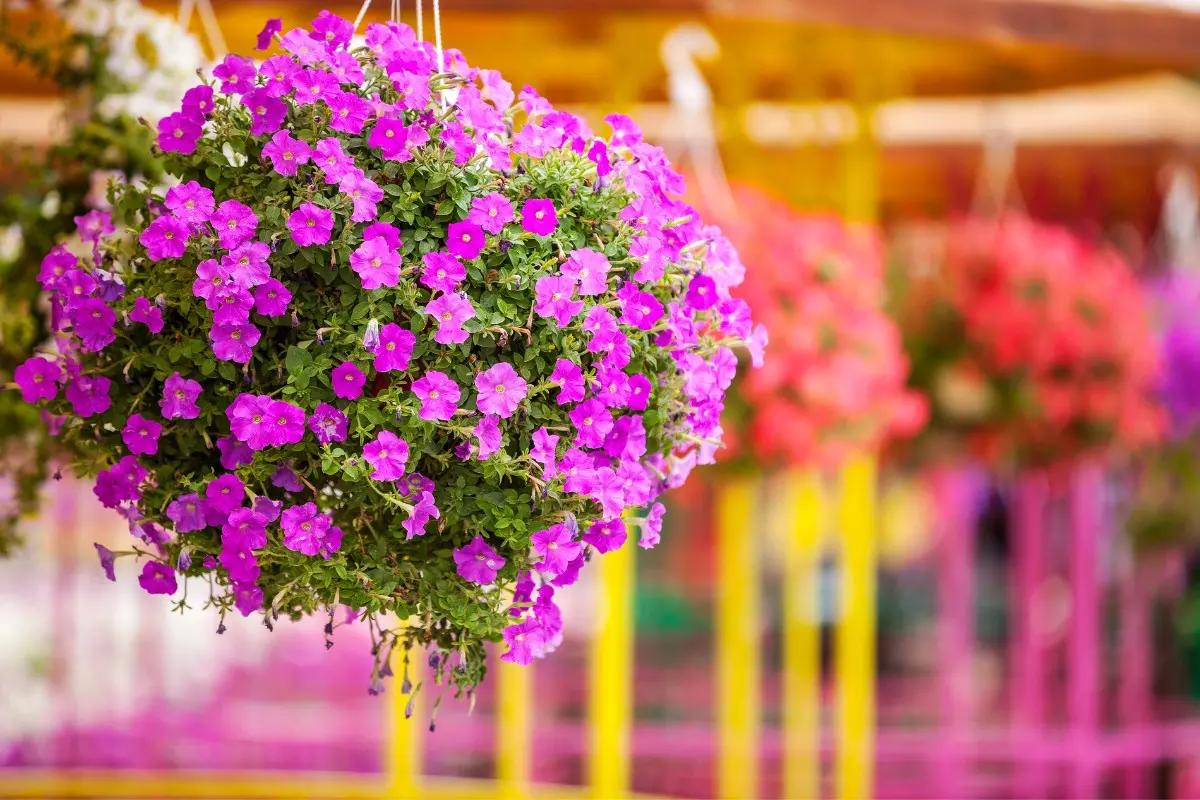
Hanging baskets can instantly brighten up a balcony, terrace, or small garden space. The best part is you do not need to buy fully grown plants every time. Growing hanging basket flowers from seed is budget-friendly, satisfying, and gives you complete control over what blooms in your space.
If you are a beginner, this guide will walk you through the process in a simple and practical way.
Why grow from seed?
Starting from seed is not just economical, it also gives you access to a wider variety of flowers that may not be available as nursery plants. Seeds adapt better to your local climate from the beginning, which often results in healthier plants. It also allows you to experiment with seasonal flowers suited to Indian weather conditions.
Choose the right flowers for hanging baskets
Not all flowers are ideal for hanging baskets. You need varieties that either trail down or grow compactly without becoming too heavy.
Here are some beginner-friendly options easily available in India:
- Petunia
- Portulaca (Moss Rose)
- Verbena
- Alyssum
- Pansy (best for cooler months)
- Nasturtium
- Phlox (annual variety)
- Dianthus
- Lobelia
- Balsam (Impatiens for shaded areas)
For a fuller look, you can mix trailing plants like petunia with compact fillers like alyssum.
When is the best time to sow seeds in India?
Timing depends on the season:
Winter flowers: Sow seeds between September and October
Summer flowers: Sow seeds between January and February
Monsoon tolerant varieties like portulaca can be sown before the rainy season
Always check the seed packet for specific timing, as India has diverse climates.
Step 1: Pick the right hanging basket
Choose a basket with proper drainage holes. Plastic, coir-lined, or metal baskets all work well. Make sure the basket is not too deep. Around 6 to 8 inches is enough for most flowering plants.
Step 2: prepare a light potting mix
Good soil is key. Seeds need a light, well-draining mix.
A simple mix you can make at home:
40 percent garden soil
30 percent compost or vermicompost
30 percent cocopeat or sand
This combination ensures proper drainage and enough nutrients for seedlings.
Step 3: Sow the seeds correctly
- Do not bury seeds too deep. Most flower seeds are small and need light to germinate.
- Sprinkle seeds evenly on the surface
- Cover lightly with a thin layer of soil or cocopeat
- Press gently to ensure contact with soil
- Water carefully using a spray bottle to avoid disturbing the seeds.
Step 4: Provide the right conditions for germination
- Place the basket in a bright spot but avoid harsh direct sunlight initially.
- Keep soil moist but not soggy
- Seeds usually germinate in 5 to 14 days depending on the variety
- Once seedlings appear, gradually introduce more sunlight
Indian climates can be intense, so morning sunlight is ideal for young plants.
Step 5: Thin out seedlings
When seedlings grow a few leaves, they may look crowded. Remove weaker ones so the stronger plants have space to grow. This step is important to avoid overcrowding in small baskets.
Step 6: Start feeding the plants
After 2 to 3 weeks, begin feeding with a mild fertiliser.
Options include:
- Liquid compost tea
- Diluted cow dung manure solution
- Balanced liquid fertiliser once every 10 to 15 days
Avoid over-fertilising as it can damage young roots.
Step 7: Water and sunlight care
Hanging baskets dry out faster than ground soil, especially in Indian summers.
- Water daily in summer, less frequently in winter
- Ensure excess water drains out
- Most flowering plants need at least 4 to 6 hours of sunlight
- Rotate the basket occasionally so all sides get equal light.
Step 8: Encourage more blooms
- Regular care keeps your basket looking full and colourful.
- Pinch off dead flowers to encourage new blooms
- Trim leggy growth to maintain shape
- Check for pests like aphids and treat early with neem oil spray
Common mistakes to avoid
- Overwatering, which leads to root rot
- Using heavy soil that blocks drainage
- Placing baskets in full harsh afternoon sun too early
- Ignoring seasonal suitability of plants
Growing hanging basket flowers from seed may seem slow at first, but it is one of the most rewarding gardening experiences. With the right seeds, proper care, and a bit of patience, even a small balcony can turn into a colourful, blooming space. Start with easy varieties like petunia or portulaca, and gradually experiment with more combinations as you gain confidence.