Engineers create world’s smallest pacemaker for newborns that dissolves after healing
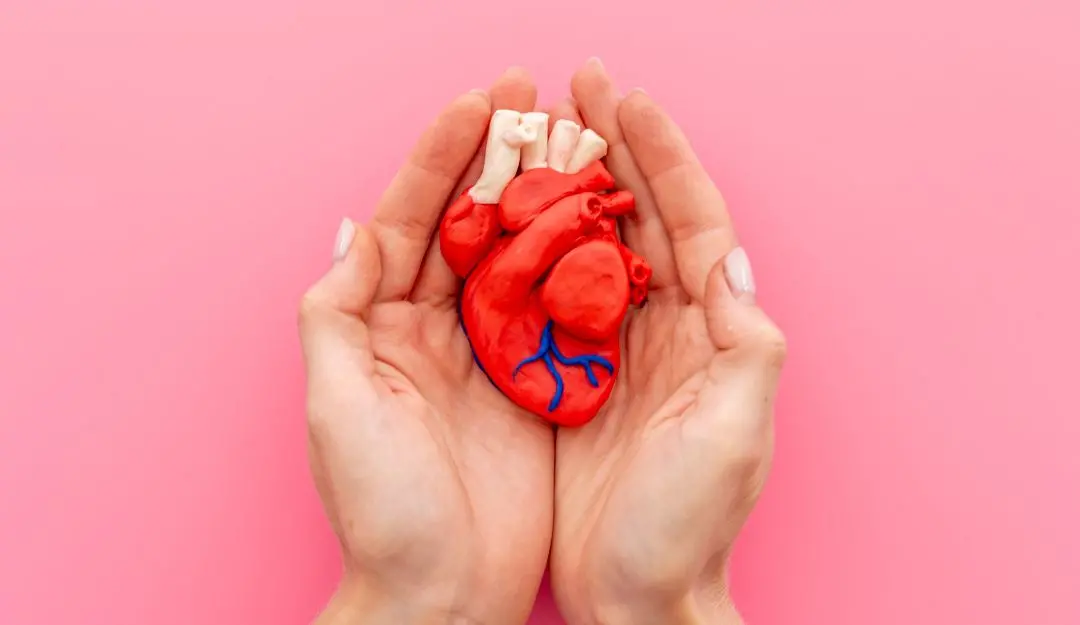
Washington DC: Biomedical engineers have developed a pacemaker smaller than a grain of rice, designed especially for the delicate hearts of newborn babies with congenital heart defects.
This tiny device works together with a soft, flexible patch worn on the chest. The wearable patch senses irregular heartbeats and responds by sending out light pulses. These flashes match the correct heartbeat rhythm, helping the heart stay on track. Once the pacemaker is no longer needed, it dissolves naturally inside the body.
Injectable and dissolvable technology
Engineers from Northwestern University created this pacemaker small enough to fit inside the tip of a syringe. It can be injected into the body without surgery.
Although suitable for all heart sizes, the device is particularly helpful for newborns. It is designed for temporary use, dissolving on its own after the job is done. The materials used are all biocompatible, allowing the device to safely break down in body fluids, removing the need for surgical removal.
Published in Nature
The findings were published on 2 April in the journal Nature. The study showed how well the device worked in both small and large animal models, as well as in donated human hearts.
“We have developed what is, to our knowledge, the world’s smallest pacemaker,” said John A. Rogers, a pioneer in bioelectronics at Northwestern, who led the development of the device.
“There’s a crucial need for temporary pacemakers in the context of paediatric heart surgeries, and that’s a use case where size miniaturisation is incredibly important. In terms of the device load on the body — the smaller, the better,” Rogers added.
Supporting children through critical days
“Our major motivation was children,” said Igor Efimov, a cardiologist at Northwestern who co-led the study.
“About 1 percent of children are born with congenital heart defects — regardless of whether they live in a low-resource or high-resource country. The good news is that these children only need temporary pacing after a surgery. In about seven days or so, most patients’ hearts will self-repair. But those seven days are absolutely critical. Now, we can place this tiny pacemaker on a child’s heart and stimulate it with a soft, gentle, wearable device. And no additional surgery is necessary to remove it.”
Collaborative research effort
John A. Rogers is the Louis Simpson and Kimberly Querrey Professor of Materials Science and Engineering, Biomedical Engineering and Neurological Surgery at Northwestern University. He holds appointments at the McCormick School of Engineering and Feinberg School of Medicine, and is also the director of the Querrey Simpson Institute of Bioelectronics.
Igor Efimov is a professor of biomedical engineering at McCormick and a professor of medicine (cardiology) at Feinberg.
Rogers and Efimov led the study alongside Yonggang Huang, the Jan and Marcia Achenbach Professor of Mechanical Engineering and Civil and Environmental Engineering at McCormick; Wei Ouyang, assistant professor of engineering at Dartmouth College; and Rishi Arora, the Harold H. Hines Jr. Professor of Medicine at the University of Chicago.
ANI