Rested rebels: Why sleep is the ultimate performance hack
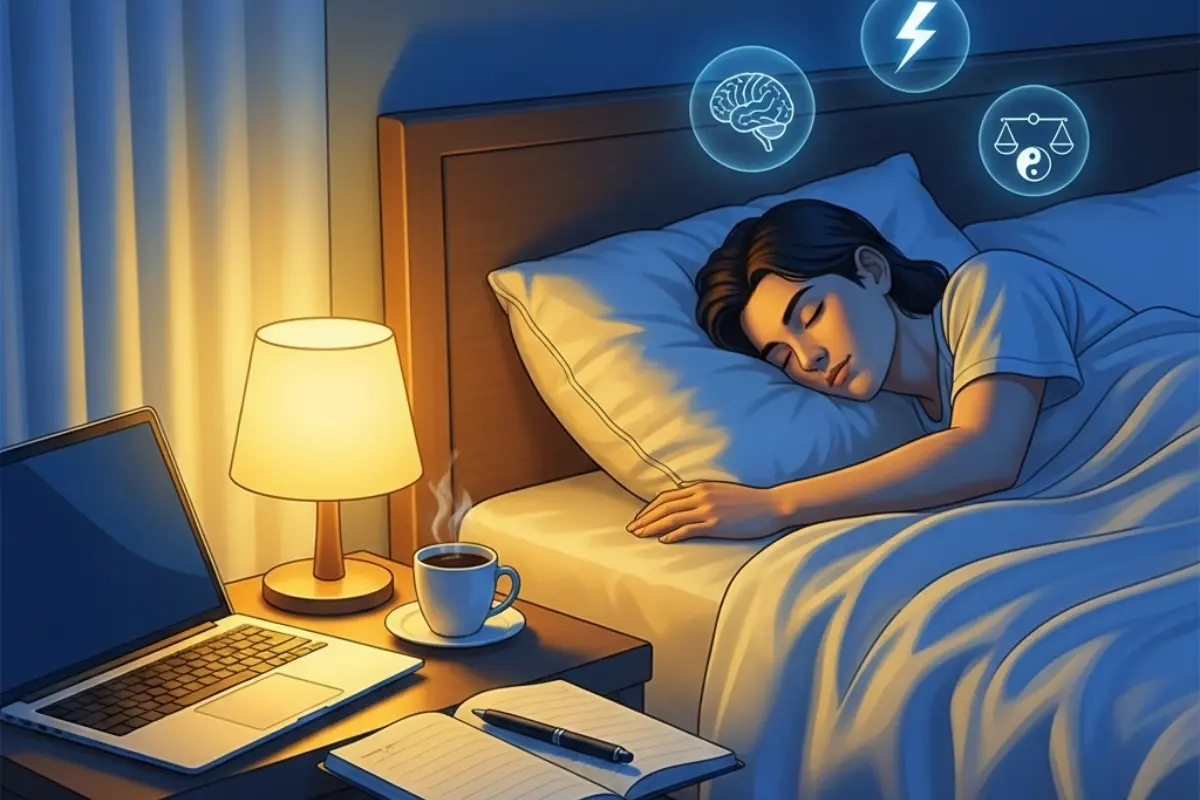
March 13, 2026, marks World Sleep Day, observed annually on the Friday before the March equinox. This day is a reminder that sleep is not a luxury—it’s a vital pillar of health. In a world obsessed with productivity, pulling all-nighters is often glorified, but science shows that prioritising rest is one of the most powerful performance hacks you can adopt.
Why sleep is non-negotiable
Sleep affects virtually every system in the body:
- Brain function: Research from Harvard Medical School shows that sleep strengthens neural connections, boosts memory consolidation, and improves problem-solving skills. Lack of sleep impairs attention, creativity, and decision-making.
- Emotional balance: Studies indicate that sleep deprivation increases emotional reactivity. Even one night of poor sleep can make everyday stressors feel overwhelming.
- Physical restoration: Sleep triggers repair processes, regulates hormones like cortisol and insulin, and enhances immune function. Athletes who prioritise sleep perform better and recover faster.
Even losing just one hour can reduce alertness, slow reaction times, and affect productivity at work or school.
Common sleep myths debunked
“I’ll catch up on the weekend.” A 2019 study published in Current Biology found that while weekend recovery sleep helps, it cannot fully reverse the cognitive and emotional effects of chronic sleep loss.
“I can survive on five hours.” Only a tiny fraction of people carry the rare gene DEC2 that allows them to function on very little sleep without deficits. Most people experience hidden cognitive impairments.
“Alcohol helps me sleep.” Alcohol may help you fall asleep faster, but it reduces REM sleep, causing lighter, less restorative sleep.
Fun facts about sleep
The longest recorded time without sleep is 11 days, set by Randy Gardner in 1964—but he suffered severe cognitive and mood deficits during the experiment.
- Humans spend roughly a third of their lives sleeping. That’s about 25 years for someone who lives to 75!
- Dreams mostly occur during REM sleep, which helps process emotions and consolidate memories.
Sleep hacks you can try tonight
World Sleep Day is the perfect time to experiment with strategies that improve rest. The 10-3-2-1-0 formula is a practical guideline:
- 10 hours before bed: Avoid caffeine to prevent sleep delays.
- 3 hours before bed: No heavy meals or alcohol that can disrupt digestion and sleep cycles.
- 2 hours before bed: Stop work or stressful activities to calm your mind.
- 1 hour before bed: Switch off screens—blue light blocks melatonin, the sleep hormone.
- 0: Keep your bedroom dark, cool, and quiet for optimal rest.
Other tips include sticking to a consistent sleep schedule, incorporating a relaxing bedtime ritual, and using the bedroom only for sleep to train your brain for rest.
The broader benefits of prioritising sleep
Enhanced productivity: Well-rested individuals are more alert, creative, and capable of handling complex tasks.
- Better health outcomes: Quality sleep reduces the risk of heart disease, diabetes, obesity, and even depression.
- Stronger relationships: Sleep-deprived people are more irritable and less empathetic, affecting social interactions.
Sleep isn’t a passive state; it’s an active process essential for peak performance and overall well-being. On World Sleep Day 2026, challenge yourself to honour rest. Treat your sleep like a priority, not a reward, and you’ll unlock sharper focus, stable mood, and boundless energy.
(Disclaimer:The information provided in this article is for general educational and informational purposes only and is not intended as medical advice. Always consult a qualified healthcare professional before making significant changes to your sleep routine or lifestyle, especially if you have underlying health conditions or chronic sleep issues. Individual results may vary.)