Why should you eat sunflower seeds? 6 health benefits to know
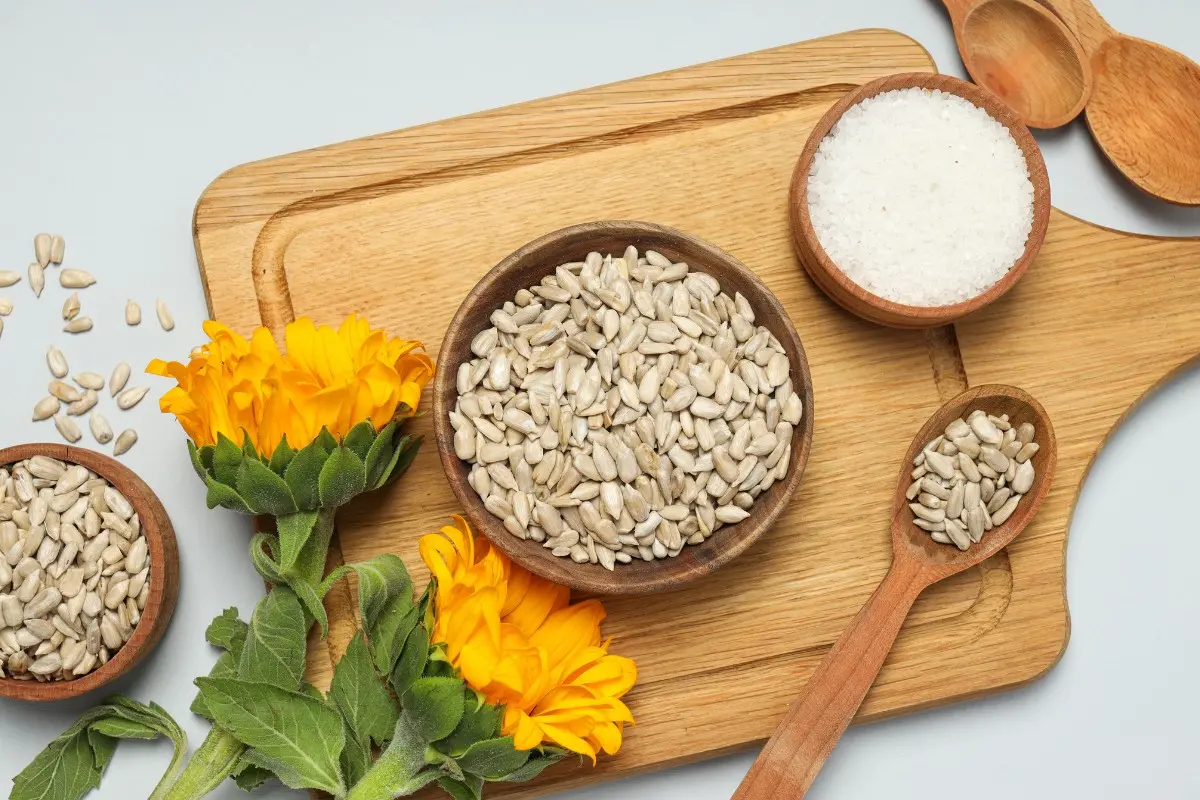
A spoonful of sunflower seeds may not look like much, but it can add a useful mix of nutrients to your meal. They provide protein, fibre, healthy fats, vitamin E, magnesium, selenium and several B vitamins.
That does not make sunflower seeds a miracle food, of course. But they can be a useful addition to an otherwise balanced diet. Here are some of the reasons they are worth keeping around.
They are a good source of vitamin E
One of the biggest nutritional selling points of sunflower seeds is vitamin E. A 28g serving of dry-roasted, unsalted kernels provides about 7.4mg of vitamin E.
Vitamin E acts as an antioxidant, helping protect cells from damage caused by free radicals. It also plays a role in immune function and maintaining healthy skin and eyes.
Getting this vitamin from food is generally preferable to taking supplements unless a healthcare professional has recommended otherwise. Sunflower seeds are one of several foods that can help contribute to your daily intake.
They can be part of a heart-friendly diet
Sunflower seeds contain mostly unsaturated fats, along with fibre and plant compounds such as phytosterols. A 28g serving contains around 9.3g of polyunsaturated fat and 2.7g of monounsaturated fat.
Research looking at nuts and seeds as a group has found an association between higher consumption and a lower risk of cardiovascular disease.
A 2023 systematic review and meta-analysis of 42 cohort studies and 18 randomised trials found that people with higher overall nuts and seeds consumption had a lower risk of cardiovascular disease.
It is worth keeping the evidence in perspective, though. Most of this research looks at nuts and seeds together rather than sunflower seeds alone. So it would be too much of a leap to say that sunflower seeds by themselves prevent heart disease.
They provide useful minerals
Magnesium is another reason to make room for sunflower seeds. Around 28g provides approximately 37mg of magnesium. The mineral is involved in muscle and nerve function, energy production and several other processes in the body.
They also contain selenium, phosphorus, copper and zinc. Selenium is particularly interesting because the body needs it for normal thyroid function, DNA production and protection of cells from damage.
A small handful will not suddenly fix a mineral deficiency, but it can contribute to your overall intake.
They can help make snacks more filling
If you are hungry again an hour after eating a light snack, sunflower seeds can be a useful addition.
Their combination of protein, fibre and fat can make a snack more substantial. A 28g serving has about 5.5g of protein and 3.1g of fibre.
Try sprinkling them over yoghurt, porridge or a fruit bowl instead of reaching for a heavily processed topping. They also add a pleasant crunch to salads and grain bowls.
They contain compounds linked with antioxidant activity
Vitamin E is not the only reason sunflower seeds attract attention for their antioxidant content. They also contain plant compounds such as flavonoids and other phenolic compounds.
Antioxidants are involved in protecting cells from oxidative damage. But this is one area where food headlines can sometimes get carried away. Eating sunflower seeds does not mean that your body is suddenly "detoxed" or protected from disease. They are simply one nutritious food that can form part of a varied diet.
They are an easy way to add more seeds to everyday meals
Perhaps the most practical benefit is that sunflower seeds require very little effort.
You can add them to a bowl of oats in the morning, toss them into a salad at lunch or sprinkle a spoonful over soup. They can also go into homemade granola, breads and savoury dishes. Sunflower seed butter is another option, particularly for people looking for a spread that does not contain tree nuts.
For everyday eating, unsalted or lightly salted varieties are the better choice, especially if you are trying to keep your sodium intake in check.
If you have a sunflower seed allergy, of course, they should be avoided.
(Disclaimer: This article is for general informational purposes only and should not be considered medical advice. Always consult a qualified doctor before making significant changes to your diet)