What is Yoga really about? The ancient science behind the global practice
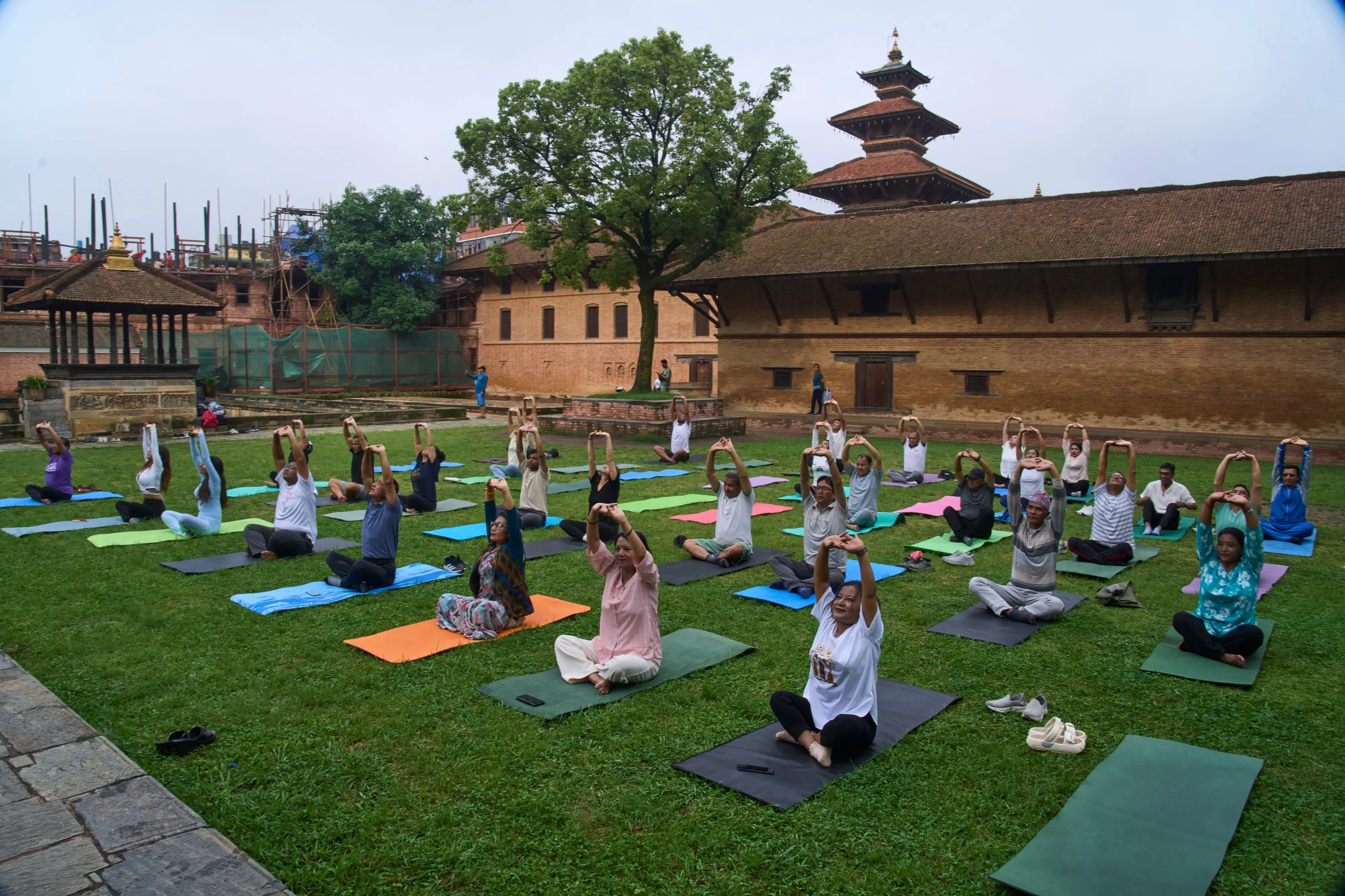
For millions across the world, yoga begins with a mat and ends with a workout. It is associated with flexibility, fitness, weight loss and wellness. Yet, according to the ancient traditions from which it emerged, yoga was never meant to be merely a physical exercise.
At its core, yoga is a spiritual discipline based on a subtle science that seeks harmony between the mind, body and nature. The word itself comes from the Sanskrit root "Yuj", meaning "to join", "to yoke" or "to unite". The ultimate aim of yoga is not touching one's toes or mastering difficult postures, but achieving a state of union between individual consciousness and universal consciousness.
In that sense, yoga is less about movement and more about transformation.
A journey older than history
The origins of yoga stretch back thousands of years, predating many organised religions and belief systems. Yogic traditions trace their beginnings to Adiyogi, or the first yogi, identified in mythology as Shiva.
According to yogic lore, Shiva transmitted his knowledge to the Saptarishis, the seven sages, on the banks of a Himalayan lake. These teachings would later spread across regions and generations, laying the foundations of yogic philosophy.
Historical evidence suggests yoga existed in ancient India long before the Common Era. Archaeologists have discovered seals and artefacts from the Indus-Saraswati civilisation depicting figures in meditative and yogic postures. References to yogic concepts also appear throughout the Vedas, Upanishads, epics such as the Mahabharata and Ramayana, and later Buddhist and Jain traditions.
Yoga, therefore, was never the possession of a single school or sect. It evolved as a living tradition across centuries.
More than postures
Perhaps the biggest misconception about yoga today is that it is synonymous with asanas, or physical postures.
Ancient yogic texts paint a much broader picture. The famous Yoga Sutras of Patanjali devote only a small portion of their teachings to physical postures. Instead, they describe yoga as a comprehensive system for mastering the body, mind and consciousness.
Traditional yoga encompasses ethical disciplines, breathing practices, meditation, concentration, self-restraint and self-awareness.
The widely practised yogic disciplines include Yama (restraints), Niyama (observances), Asana (postures), Pranayama (breath control), Pratyahara (withdrawal of senses), Dharana (concentration), Dhyana (meditation) and Samadhi (ultimate absorption).
Physical postures were intended as preparation for higher states of awareness rather than an end in themselves.
The science of inner balance
Long before modern psychology began exploring mindfulness and mental well-being, yoga emphasised the connection between breath, thought and consciousness.
Pranayama teaches regulation of the breath. Pratyahara involves turning attention away from external distractions. Dharana develops concentration, while Dhyana, or meditation, cultivates sustained awareness.
The ultimate goal is Samadhi, a state of complete integration in which the divisions between self and the universe dissolve.
Modern science increasingly recognises the benefits of these practices for stress reduction, emotional regulation and overall well-being. Yet yoga's original purpose extended beyond health benefits to self-realisation and liberation from suffering.
How yoga evolved through the ages
Yoga's journey spans multiple historical periods.
The classical era, between roughly 500 BC and 800 AD, witnessed the codification of yogic thought through Patanjali's Yoga Sutras and philosophical developments influenced by figures such as Buddha and Mahavira.
The post-classical period saw contributions from thinkers including Adi Shankaracharya, Ramanujacharya and Madhavacharya, while the modern era brought global attention through spiritual leaders such as Swami Vivekananda, Ramakrishna Paramahansa, Ramana Maharshi and Paramhansa Yogananda.
Over time, numerous schools emerged, including Bhakti Yoga, Karma Yoga, Jnana Yoga, Raja Yoga, Hatha Yoga, Kundalini Yoga and Mantra Yoga. Each offered a different path, but all pursued the same destination, inner harmony and liberation.
(Compiled as per the information available on Ayush department’s website)