Fish or fish oil? What’s better for your brain, body?
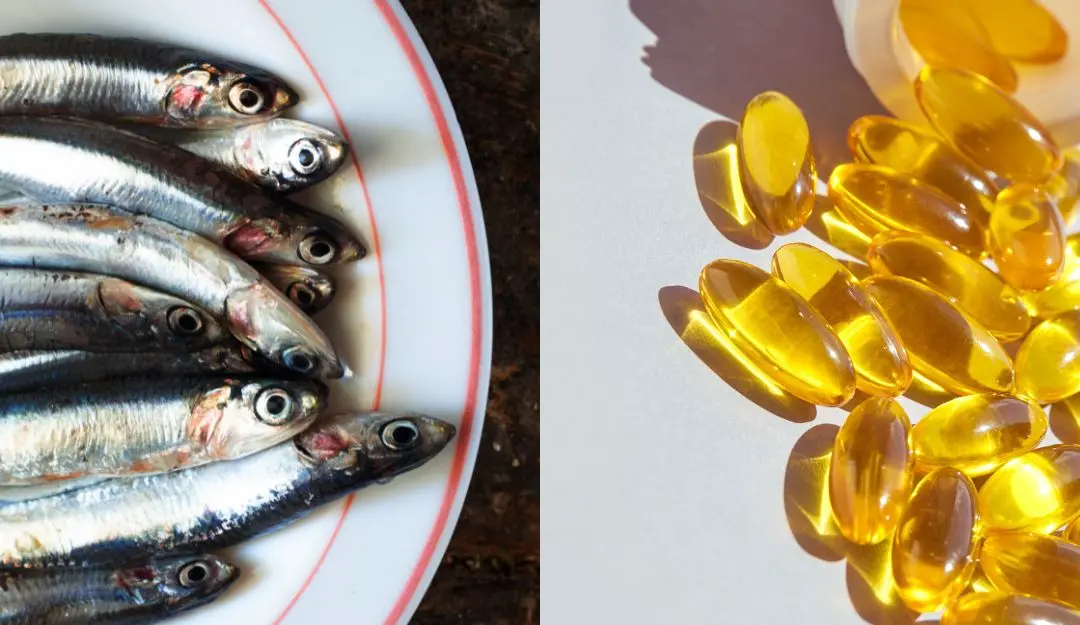
Fish is often known as "food for the brain" due to the presence of a large number of essential nutrients. One of the most important among them is omega-3 fatty acids, which play a crucial role in maintaining brain and heart health. While many people do not include fish in their daily diet, instead they often opt for fish oil supplements available in the market. However, many are unsure about which is better: eating fish or taking omega-3 supplements.
Fish like sardines are naturally rich in omega-3 fatty acids. Fish oil tablets are made from the oil extracted from such fish. These supplements can be consumed by both those who eat fish regularly and those who consume it rarely. However, it is important to consult a doctor before starting any supplement. Also, not all supplements are of high quality. Overly purified or improperly processed supplements may not be good for health.
Benefits of fish oil tablets
- Omega-3 reduces the risk of heart disease by lowering triglyceride levels.
- It helps reduce the risk of Alzheimer's disease and joint pain.
- It is best for eye health and mental well-being.
Which one is best: fish or fish oil?
Relying solely on fish oil supplements is not recommended. Supplements primarily focus on omega-3 fatty acids, but eating fish provides several additional nutrients.
Fish is a rich source of high-quality lean protein, essential for muscle growth and overall health. Both fish and fish oil contain nutrients like vitamin D, B vitamins, selenium, and iodine. These nutrients are better absorbed from natural food sources.
People who eat fish regularly (at least twice a week) have a lower risk of stroke, heart disease, and memory-related issues. Some research also suggests that fish consumption may reduce the risk of breast and intestinal cancers.
Low-quality fish oils may contain harmful substances such as mercury and PCBs. When consumed in large amounts, these can lead to blood thinning and digestive problems. Certain fish also contain high levels of mercury. Overconsumption can be harmful, especially for pregnant women and children. Extra caution should be taken in such cases.
Whether fish or fish oil is better depends on a person’s lifestyle. Those who consume fish at least twice a week usually do not need supplements. For others, fish oil supplements can be a helpful alternative.