Rare childhood dementia: What parents need to know about progressive brain conditions
UK: A mother in the United Kingdom is facing a devastating battle to save her four-year-old son, who has been diagnosed with childhood dementia, a rare, degenerative condition that progressively destroys the brain. Tammy McDaid told the BBC that the next 12 months are critical for her son, Tate, who was initially diagnosed with autism at age two before doctors suspected something more serious.
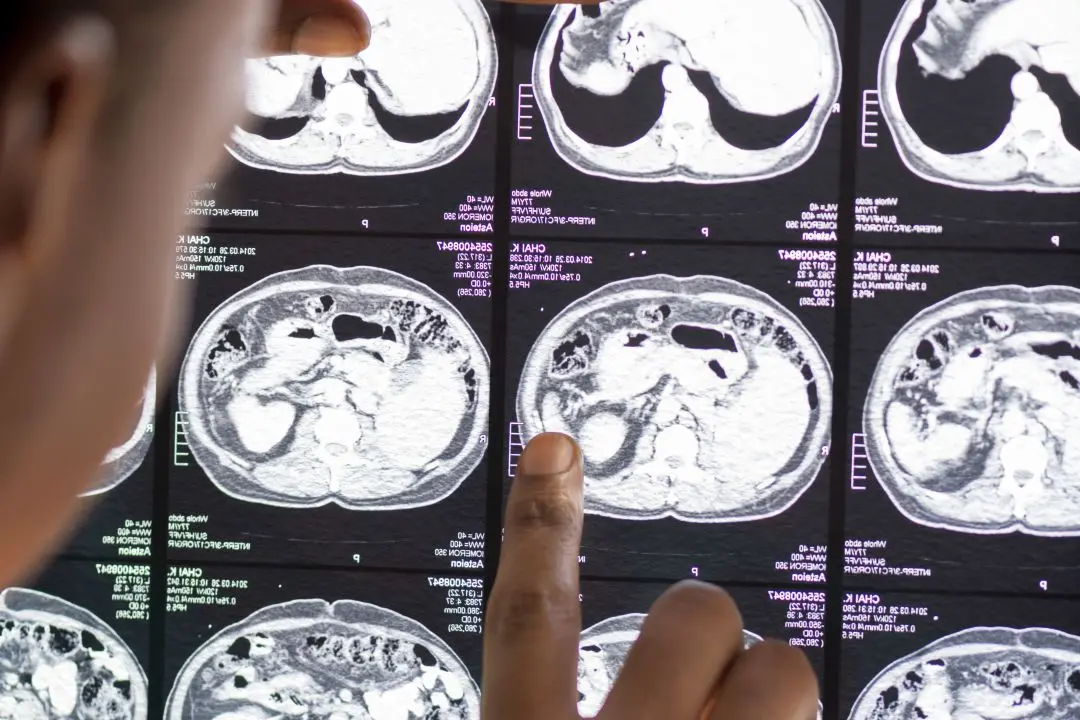
According to various health reports, an MRI scan in March 2024 revealed unusual gaps in Tate’s brain, an early indicator of dementia. Further tests confirmed he has Sanfilippo Syndrome, a rare genetic disorder that affects the central nervous system and leads to severe cognitive and physical decline. There is no cure, and available treatments only help manage symptoms.
Sanfilippo Syndrome is often called childhood dementia because it causes children to gradually lose essential skills they had already developed, including talking, walking and learning. As the condition progresses, children experience worsening memory, speech difficulties, behavioural changes, movement problems and loss of emotional regulation. Many eventually become unable to communicate or perform daily activities. Seizures, vision problems and sleep disturbances are also common.
Childhood dementia refers to a group of genetic disorders that cause progressive, irreversible damage to the brain. Most children appear healthy at birth, but symptoms typically emerge around the age of two. Over time, affected children lose abilities such as reading, writing, playing and reasoning. Behavioural symptoms like hyperactivity, aggression and severe sleep disruption may also occur.
The condition is usually caused by mutations in DNA, many of which lead to inborn errors of metabolism, disorders in which the body cannot properly break down certain substances. When metabolic pathways fail, neurons stop functioning, brain cells die, and cognitive decline accelerates.
Health organisations report that about 1 in 2,900 babies is born with a condition that will result in childhood dementia. The disease is highly progressive, and around half of affected children do not survive beyond the age of 10.
Treatment options remain extremely limited. Research is ongoing into gene therapy, modified cell therapy and enzyme replacement therapy, though these are available only for select conditions and in limited regions. For now, care focuses on managing symptoms, maintaining quality of life and supporting families coping with a profoundly challenging diagnosis.