Don’t ignore these summer malaria triggers: Heat, water, and hygiene
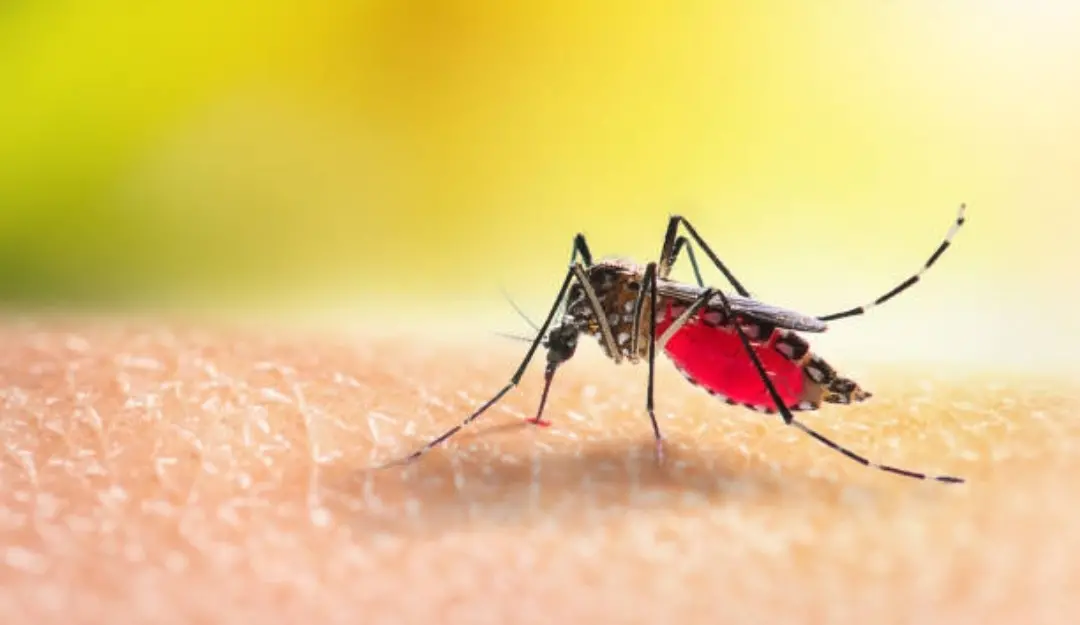
The summer season, especially when accompanied by intermittent rainfall, creates ideal conditions for the spread of mosquito-borne diseases like malaria. The Anopheles mosquito, which transmits malaria, thrives in warm, humid climates and breeds rapidly in stagnant water.
One of the most significant risk factors during this period is stagnant water. Rainwater often accumulates in puddles, discarded containers, clogged drains, and uncovered tanks. These sites become breeding grounds for mosquitoes, especially in areas with inadequate drainage systems.
Poor sanitation and hygiene further compound the problem. Open sewage, improperly disposed waste, and lack of cleanliness in both urban and rural areas contribute to increased mosquito populations and a higher risk of malaria transmission.
High temperatures during summer not only accelerate mosquito breeding but also speed up the development of the malaria parasite within the mosquito. This results in a faster spread of the disease and a higher number of infectious mosquitoes.
Human behaviour also influences exposure. Outdoor activities increase during summer, and people tend to wear lighter, shorter clothing, exposing more skin to mosquito bites. Since mosquitoes are most active during early mornings and evenings, individuals outdoors at these times are especially vulnerable.
Another concern is the limited use of preventive measures. In many communities, especially those with limited resources, mosquito nets, insect repellents, and indoor insecticide spraying are either underused or unavailable, reducing protection against bites.
Delayed diagnosis and lack of access to timely medical care can worsen outcomes and increase the likelihood of transmission within communities. Early symptoms of malaria often mimic those of viral infections, leading to misdiagnosis or late treatment.
To prevent malaria during the summer, it is important to:
- Eliminate stagnant water sources around homes
- Use mosquito repellents and wear protective clothing
- Sleep under insecticide-treated mosquito nets
- Maintain proper sanitation and waste management
- Seek prompt medical attention if symptoms like fever, chills, or body aches occur
(Disclaimer: This article is for informational purposes only and is not a substitute for professional medical advice, diagnosis, or treatment. Always seek the guidance of a qualified healthcare provider with any questions about your health.)