Are soft drinks destroying your bone health? Here’s what science says
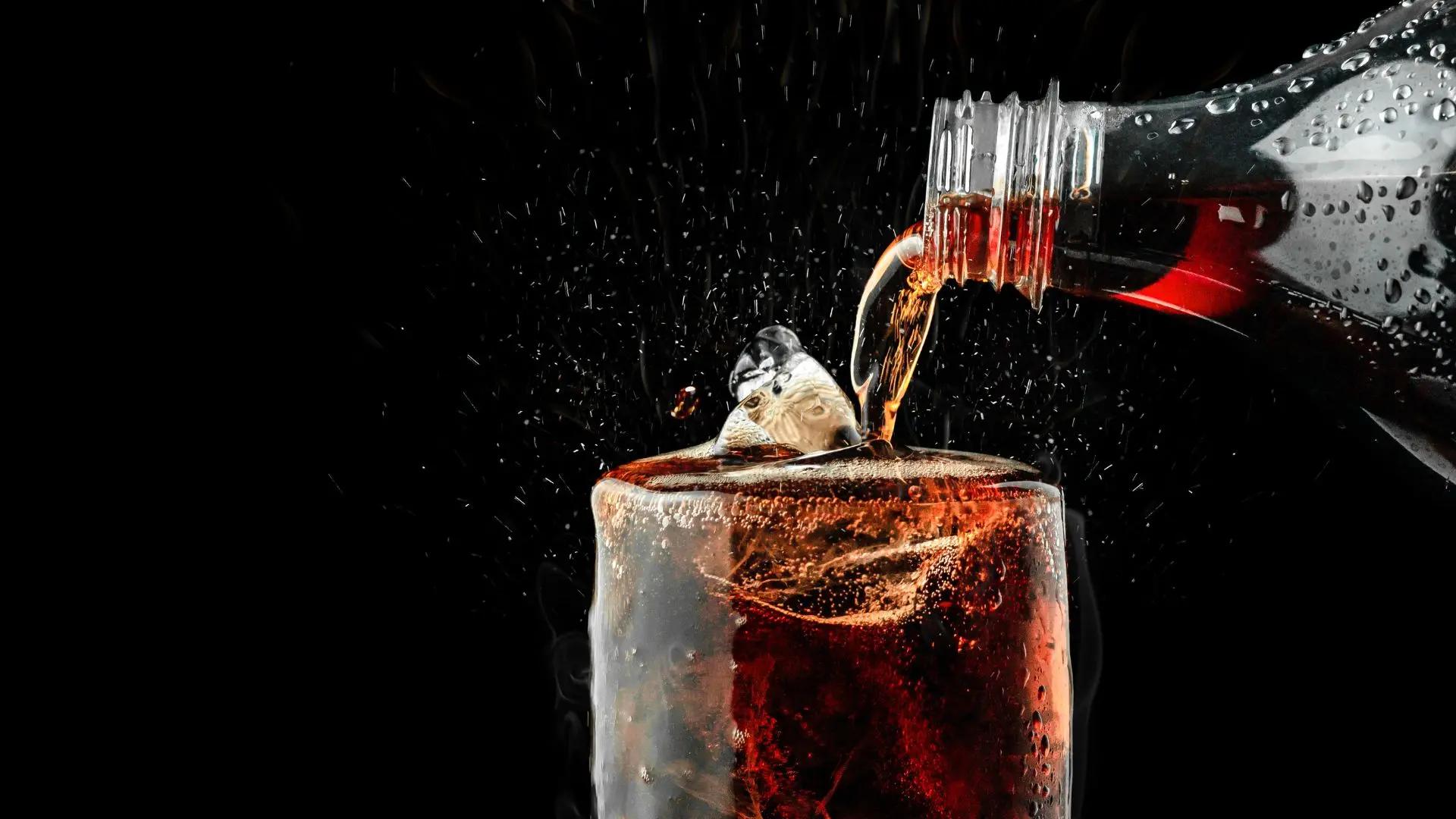
We all enjoy the occasional can of soft drink, but many of us aren’t aware of the risks it poses to our bones. While most people know about the link between sugary drinks and weight gain, heart disease, and diabetes, their impact on bone health is often overlooked. However, growing evidence suggests that regularly drinking soft drinks could weaken your bones over time.
How soft drinks affect your bones?
A seven-year follow-up study by the National Library of Medicine found that high consumption of soft drinks is linked to an increased risk of fractures. Similarly, research published in 'The American Journal of Clinical Nutrition' indicates that drinking cola can lower bone mineral density, especially in women. This means your bones may become more fragile and prone to breaks.
Caffeine and phosphoric acid: A dangerous combination
Most soft drinks contain two key ingredients that can negatively affect bone health: caffeine and phosphoric acid. Caffeine can reduce your body's ability to absorb calcium, while phosphoric acid can increase calcium loss through urine. This calcium is essential for strong bones, and losing it without replenishment could lead to bone thinning or osteoporosis over time.
“Caffeine and phosphoric acid, both found in many soft drinks, can harm bone density. Caffeine may block calcium absorption, especially in those with low calcium intake, and phosphoric acid can further reduce calcium levels in the body,” says Dr. Ramkinkar Jha, Chief and Unit Head of Orthopaedics at Artemis Hospitals, Delhi.
Women at greater risk for bone damage
Women, particularly postmenopausal women, are more susceptible to osteoporosis because of natural drops in estrogen levels, which help protect bone density. Regularly consuming soft drinks can speed up bone thinning, making women more prone to fractures as they age.
Dr. Kiran Kharat, Senior Consultant Orthopaedic Surgeon at Ruby Hall Clinic, Pune, says, “Women and teenagers are especially at risk. During adolescence, calcium is crucial for building strong bones, and soft drinks can interfere with that. Postmenopausal women already face declining bone density, and soft drinks only make it worse.”
The role of sugar in calcium deficiency
Sugary soft drinks do more harm than just adding extra calories. High sugar intake can increase insulin levels, causing your body to eliminate more calcium through the kidneys. As a result, people who drink soft drinks often may experience a calcium deficit.
Dr. Jha explains, "When someone is addicted to sugary sodas, they tend to drink fewer calcium-rich beverages like milk or buttermilk, which can further lower their calcium levels and weaken bones."
Is ‘Diet’ or ‘Sugar-Free’ any better?
If you think switching to ‘diet’ or ‘zero-sugar’ soft drinks is a safer option, think again. Although these drinks may not contain sugar, they often still have caffeine and phosphoric acid, which can harm your bones. Research suggests that these ingredients in diet sodas may be just as damaging to bone density as regular soft drinks.
“Even though diet sodas don’t have real sugar, they still contain harmful ingredients like caffeine and phosphoric acid, which contribute to lower calcium levels and, ultimately, weaker bones,” says Dr. Kharat.
Regular consumption, whether sugar-free or not, may weaken your bone density and lead to serious health issues like fractures or osteoporosis.