SC seeks details on cost and availability of NAT testing across govt hospitals
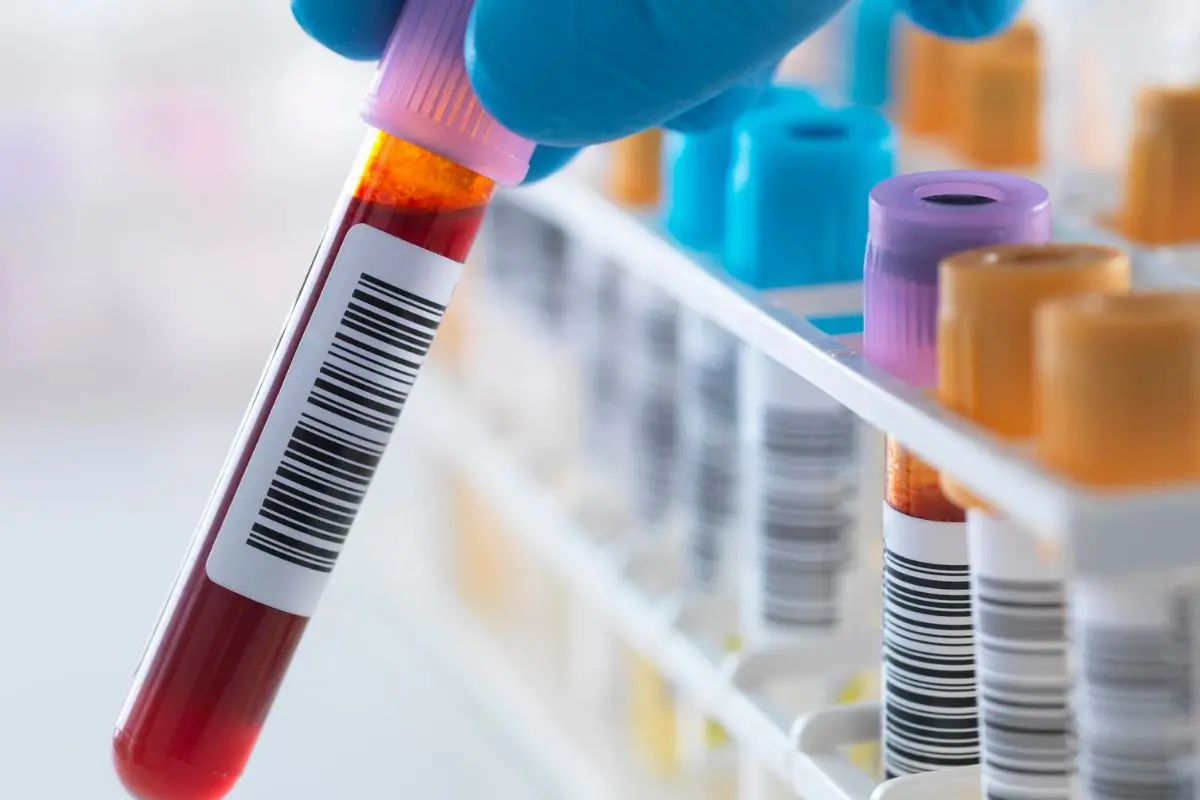
New Delhi: The Supreme Court on Wednesday sought detailed information on the costs and availability of Nucleic Acid Amplification Testing (NAT) in government hospitals nationwide, aimed at detecting Transfusion Transmissible Infections (TTIs) such as HIV and hepatitis.
A bench comprising Chief Justice Surya Kant and Justices Joymalya Bagchi and Vipul M. Pancholi asked lawyer A. Velan, representing the PIL petitioner Sarvesham Mangalam Foundation, to provide specifics on the expenses involved in conducting NAT tests and whether the testing facilities are accessible in government hospitals, ensuring that economically weaker sections can benefit.
Also read | Rising HIV concerns among migrant workers prompt urgent review in Perumbavoor
The foundation has made the Union Ministry of Health and Family Welfare, along with all states and Union Territories, parties to the public interest litigation seeking mandatory NAT testing for safe blood transfusions.
The PIL sought an order to the Centre and the states to declare that the "Right to Safe Blood" is an intrinsic facet of the Right to Life under Article 21 of the Constitution.
It also sought directions to "implement mandatory NAT in all blood banks across the territory of India for the detection of Transfusion Transmissible Infections (TTIs), including Human Immunodeficiency Virus (HIV), hepatitis C Virus (HCV), hepatitis B Virus (HBV), malaria, and syphilis, in the blood collected from all donors, to ensure the supply of safe and infection-free blood to all recipients."
Also read | EPFO hiring 2026: Why retired officers are being brought back for key roles
The Delhi-based NGO highlighted a "systemic and ongoing failure" of the state to protect vulnerable patients, particularly those with Thalassemia, from life-threatening TTIs such as HIV, hepatitis B, and hepatitis C. Thalassemia is a genetic blood disorder requiring patients to undergo blood transfusions every 15 to 20 days for survival.
However, the petition said that for thousands in India, these transfusions have become a "gamble with death."
"Thalassemia is an inherited blood disorder which is caused by the body's inability to produce enough haemoglobin, the protein in red blood cells that transports oxygen from the lungs to the tissues and carbon dioxide to the lungs. As India is the Thalassemia capital of the world, there is a need to strengthen blood safety practices across the country…particularly the need for a standardised test to screen blood donations," it said.
Also read | Why your stomach acts weird before periods? Pre-period bloating and gas explained
The PIL cited a string of recent "preventable tragedies" across the country and said in Madhya Pradesh, in 2025, at least six Thalassemic children tested HIV-positive after transfusions at Satna District Hospital.
In Jharkhand, five children were infected with HIV following transfusions at Sadar Hospital, Chaibasa in 2025, it said, adding that in Uttar Pradesh 14 children contracted hepatitis and HIV at a medical college in 2023. PTI