15 dead from 'Bleeding Eye' in Rwanda; Advisory issued amid reports of disease spread
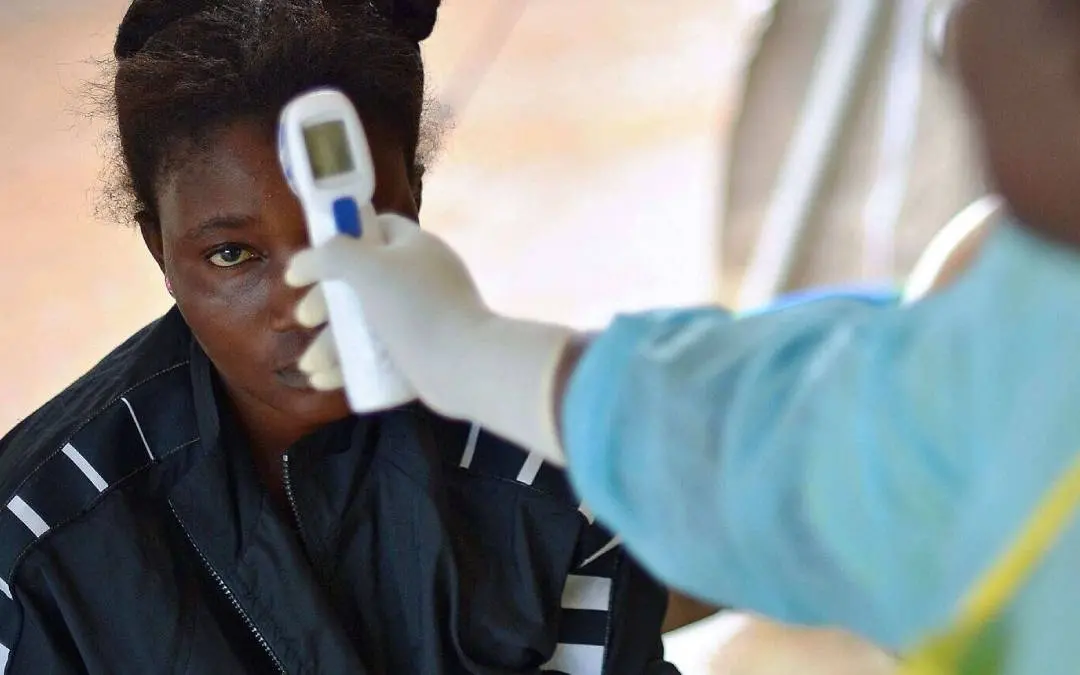
Rwanda: A deadly outbreak of the Marburg virus, also known as the 'Bleeding Eye' virus, has been reported in Rwanda, with at least 15 fatalities and over 100 confirmed cases. The disease is part of a broader spread of lethal infections, including Mpox and Oropouche fever, across several African nations.
What is the Bleeding Eye virus?
The Marburg virus belongs to the same family as the Ebola virus, though they are caused by distinct pathogens. It spreads quickly and is highly fatal, with a mortality rate of up to 88%. The virus leads to severe haemorrhagic fever, causing widespread internal and external bleeding.
Origins and history
The Marburg virus was first identified in 1967 in the German city of Marburg when laboratory workers contracted the disease from imported monkeys. Further investigations revealed that the virus originated from fruit bats, which act as its natural reservoir. Since then, outbreaks have been reported in South Africa, Kenya, Uganda, Angola, and other regions.
How the virus spreads
The Marburg virus is transmitted through:
- Direct contact with bodily fluids (blood, mucus, saliva, or sweat)
- Contact with contaminated surfaces or materials like clothing
- Handling infected corpses without proper precautions
Fruit bats, particularly those inhabiting caves and mines, are carriers of the virus. While the bats do not show symptoms, they facilitate its transmission to humans and other animals.
Symptoms and severity
The symptoms of the Marburg virus include:
- High fever and severe headache
- Muscle and body pain
- Vomiting, abdominal pain, and diarrhoea
Within a week, infected individuals may develop brain haemorrhages and severe bleeding from the eyes, nose, mouth, and other orifices. This often leads to death.
Diagnosis and treatment
Diagnosing Marburg is challenging as its symptoms resemble those of other viral infections. There is currently no specific treatment or antiviral medication for the disease. Supportive care, including rehydration and management of symptoms, is the only option available to patients.
Vaccines and preventative measures
No approved vaccine exists for the Marburg virus, though several candidates are in the early stages of clinical trials. Public health experts recommend avoiding contact with fruit bats, maintaining hygiene, and using protective equipment when handling potentially infected materials.
A call for vigilance
The Marburg virus remains one of the deadliest pathogens known to humanity. With its rapid spread and high fatality rate, early detection and stringent preventive measures are essential to contain the outbreak and prevent further loss of life.