What you do every day may influence prostate cancer risk
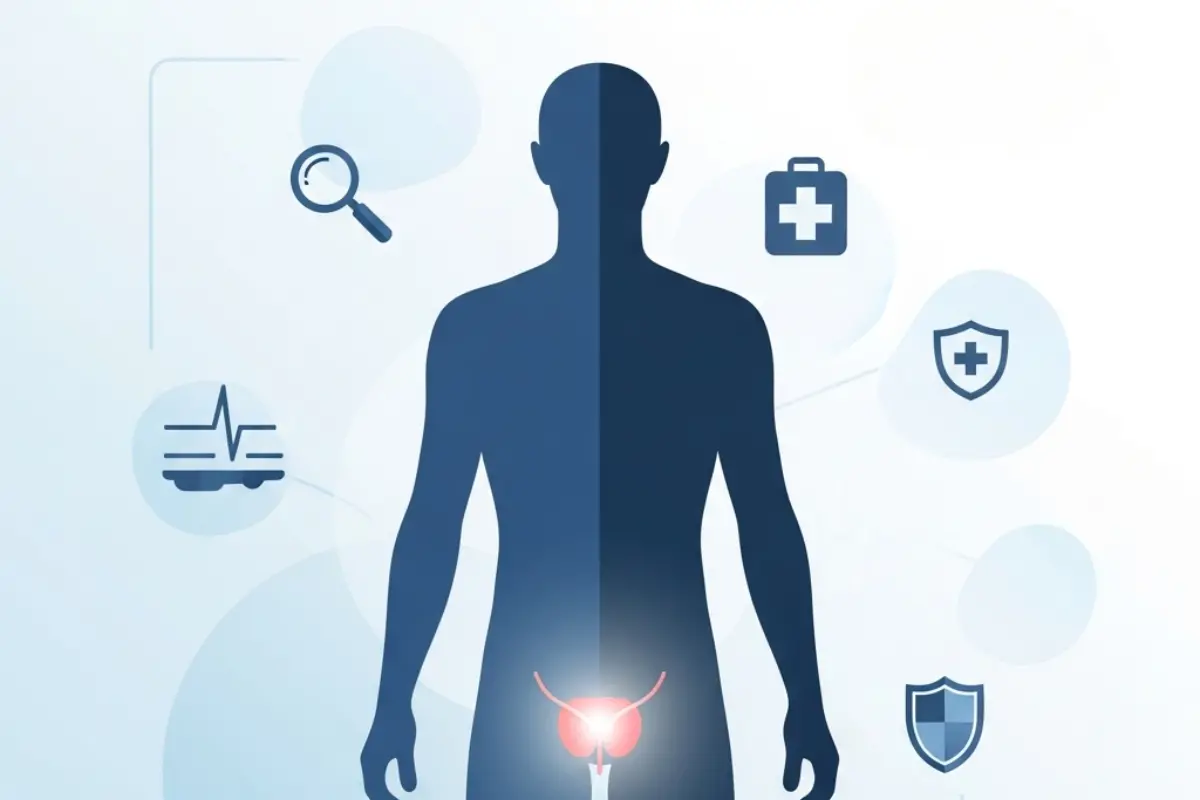
Prostate health is something many men tend to ignore until symptoms begin to affect daily life, even though it plays a crucial role in urinary and reproductive function.
Conditions such as prostate enlargement or prostate cancer often develop gradually, making early awareness and routine check-ups important for timely diagnosis and treatment.
Prostate Health: A Lifestyle Guide
Prostate health is something many men do not think about until later in life, but small daily choices can make a meaningful difference over time. While age, genetics and family history cannot be changed, research shows that lifestyle habits such as diet, physical activity and routine health checks can help support a healthier prostate and may reduce the risk of aggressive disease.
Understanding how these choices fit into everyday life is the key to making long-term improvements without feeling overwhelmed.
A prostate-friendly way of eating
What you eat every day can influence inflammation levels, hormone balance and overall cellular health. A prostate-friendly diet is not about strict rules but about smarter, more consistent choices.
Tomatoes are one of the most well-known foods linked with prostate health because they contain lycopene, a natural antioxidant. Cooked tomatoes in sauces, soups or purees may actually be more beneficial than raw ones, as heat helps the body absorb lycopene more effectively.
Healthy fats are another important part of the picture. Replacing saturated fats found in processed and red meats with omega-3 rich foods such as salmon, sardines, walnuts and flaxseeds can support heart and prostate health at the same time.
Vegetables like broccoli, cauliflower, cabbage and kale belong to the cruciferous family. These vegetables contain natural compounds that support the body’s detox processes and may help protect cells from damage when eaten regularly.
Drinks such as green tea are often included in prostate-friendly diets because they contain plant compounds that support overall cell health. Similarly, foods like soy, including tofu and edamame, are commonly eaten in moderation in diets associated with lower prostate cancer rates in some populations.
The aim is not perfection but balance, with more plant-based foods and fewer highly processed meals.
The role of regular movement
Physical activity plays a much bigger role in prostate health than many people realise. Exercise helps regulate hormones, reduces inflammation and supports a healthier immune system, all of which are important in reducing long-term health risks.
A practical target is around 150 minutes of moderate exercise each week. This could include brisk walking, cycling or swimming. For those who prefer more intense activity, 75 minutes of vigorous exercise such as running or interval training can also be effective.
Strength training is also useful, as maintaining muscle mass supports metabolism and helps control weight. Even simple routines using body weight or light weights can make a difference when done consistently.
Keeping a healthy weight is particularly important. Excess body fat, especially around the abdomen, is linked with a higher risk of more aggressive prostate conditions. Gradual, sustainable changes in diet and activity are more effective than short-term diets.
Habits worth changing
Some everyday habits can quietly increase risk over time. Smoking is one of the most important to address. While its direct link to developing prostate cancer is still being studied, evidence shows that smoking can increase the likelihood of cancer spreading or returning after diagnosis.
Cooking methods also matter. High-temperature grilling or frying meat can produce compounds that may be harmful when consumed regularly. Choosing gentler cooking methods such as baking, steaming or stewing can reduce this exposure while still keeping meals enjoyable.
Alcohol should also be consumed in moderation, as excessive intake can contribute to long-term health issues that indirectly affect overall cancer risk.
Why regular check-ups matter
One of the challenges with prostate conditions is that early stages often do not cause noticeable symptoms. This is why routine screening and medical conversations are important, especially as men get older.
For those at average risk, discussions about screening typically begin around the age of 50. However, men with higher risk factors, such as a family history of prostate cancer or those of African or Caribbean descent, are often advised to start conversations earlier, around 45.
Simple tests, such as PSA blood tests and clinical evaluations, can help identify changes early when treatment options are most effective.
Building a long-term mindset
There is no single food, supplement or habit that guarantees prevention. Prostate health is shaped by long-term patterns rather than quick fixes. The most effective approach is a combination of balanced eating, regular movement, healthy weight management and routine medical checks.
Small, consistent decisions made over months and years can create a stronger foundation for overall health. Instead of focusing on restrictions, it is more useful to think in terms of addition: more vegetables, more movement, more awareness of your body.
Over time, these habits work together to support not just prostate health, but overall wellbeing.
(Disclaimer: This content is intended for general informational purposes only and should not be considered medical advice, diagnosis, or treatment. Readers are advised to consult a qualified healthcare professional for any concerns related to prostate health or any medical condition.)