Postponing periods: The risks of using hormonal pills and painkillers without doctor’s guidance
"I had to talk to my husband and children with frustration, snapped at my colleagues in the office, and had a pounding headache. My body felt heavy, and I just didn’t feel like myself. Today was a bad day."
Many women experience physical and emotional challenges during menstruation. While it is a natural process, the symptoms can affect daily life, making it difficult to manage personal and professional responsibilities.
Menstruation and its impact
Menstruation is a normal biological process that can last between two to eight days. During this time, women may experience headaches, back pain, breast tenderness, bloating, and irritability. Emotional changes such as anger, mood swings, and even depression are common and result from hormonal fluctuations.
With modern demands—whether it be work, travel, or education—many women seek ways to manage the discomfort of menstruation. But should medical consultation be mandatory when dealing with period pain and related issues?
When to seek medical advice
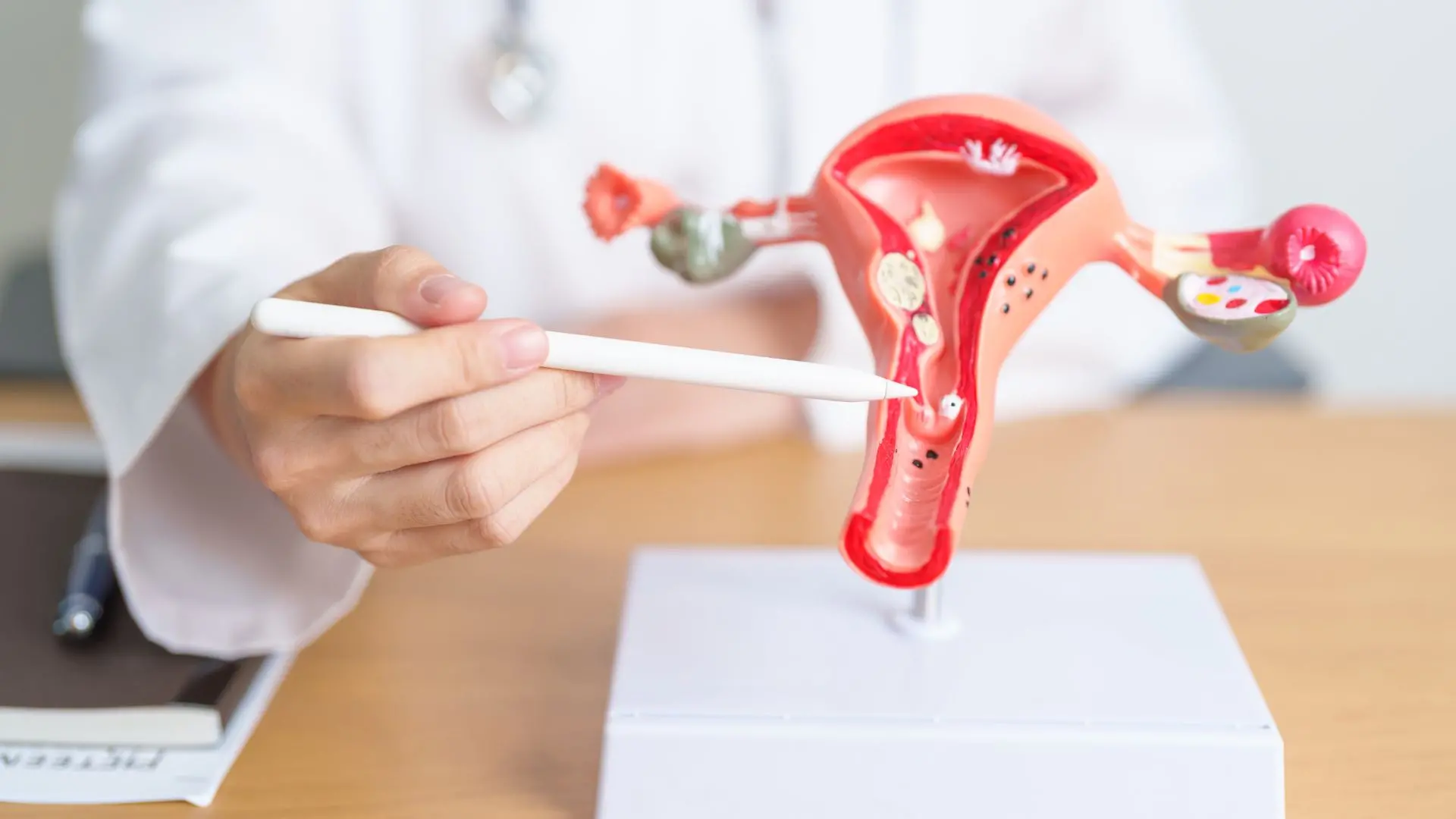
Mild discomfort that lasts a day or two may not require medication, but if symptoms such as vomiting, dizziness, or severe bloating persist, it’s important to consult a doctor. In some cases, underlying health issues involving the uterus or other reproductive organs could be the cause, which can be diagnosed through tests and ultrasounds.
For those struggling with psychological symptoms such as depression or anger, professional mental health support may also be helpful. While some medications—like birth control pills or antidepressants—are prescribed for premenstrual syndrome (PMS), they don't always guarantee consistent results.
The dangers of self-medicating with painkillers and hormonal pills
Self-medication for menstrual cramps can be risky. Prolonged use of painkillers can damage liver and kidney function, inflame the intestines, and even trigger asthma. Therefore, it’s crucial to only take painkillers under a doctor's supervision.
Hormonal pills are another common method for reducing menstrual pain, but these too should be taken with medical guidance. Hormonal pills can have side effects, and without proper advice, they may disrupt your body’s natural balance. Some medications that relax uterine muscles can also help with cramps, but should only be taken under medical advice.
A healthy lifestyle, balanced diet, and regular exercise can prevent or alleviate many menstrual issues.
Exercise for menstrual health
Exercise is an effective way to reduce stress during menstruation. Aiming for at least 30 minutes of aerobic exercise, such as walking, dancing, or swimming, three times a week can boost mental well-being. Pelvic exercises may also help but should be done under medical supervision if needed.
Diet tips for managing menstrual symptoms
A low-fat, plant-based diet is beneficial during menstruation. Foods rich in calcium, such as cheese, almonds, and leafy greens, can ease premenstrual cramps. Additionally, menstruation can lead to iron deficiency due to blood loss, so it’s important to include iron-rich foods like fish, leafy vegetables, and legumes in your diet. Foods high in vitamin B12, such as meat, fish, and eggs, aid in iron absorption, while a high-fiber diet can help prevent menstrual discomfort.
Staying hydrated by drinking plenty of water and avoiding sugary snacks and carbonated drinks is also key. Dark chocolate, avocados, and walnuts are great additions to your diet during this time.
Postponing periods: What you should know
There’s a rising trend of postponing periods for special occasions like weddings or important events using hormonal pills containing estrogen and progesterone. While these pills can be effective for women with regular cycles, frequent use may lead to hormonal imbalances. If your period doesn’t start within two days after stopping the pills, it’s essential to seek medical advice.
Emotional support during menstruation
Having a supportive partner during menstruation can greatly reduce mental stress. Partners can help by sharing household chores and providing emotional support. Simple gestures like offering a glass of water or tea, giving reassuring words, and being patient when tasks are delayed can make a significant difference in alleviating stress for women during this time.