Can long pepper help fight colon cancer? NIT researchers say yes
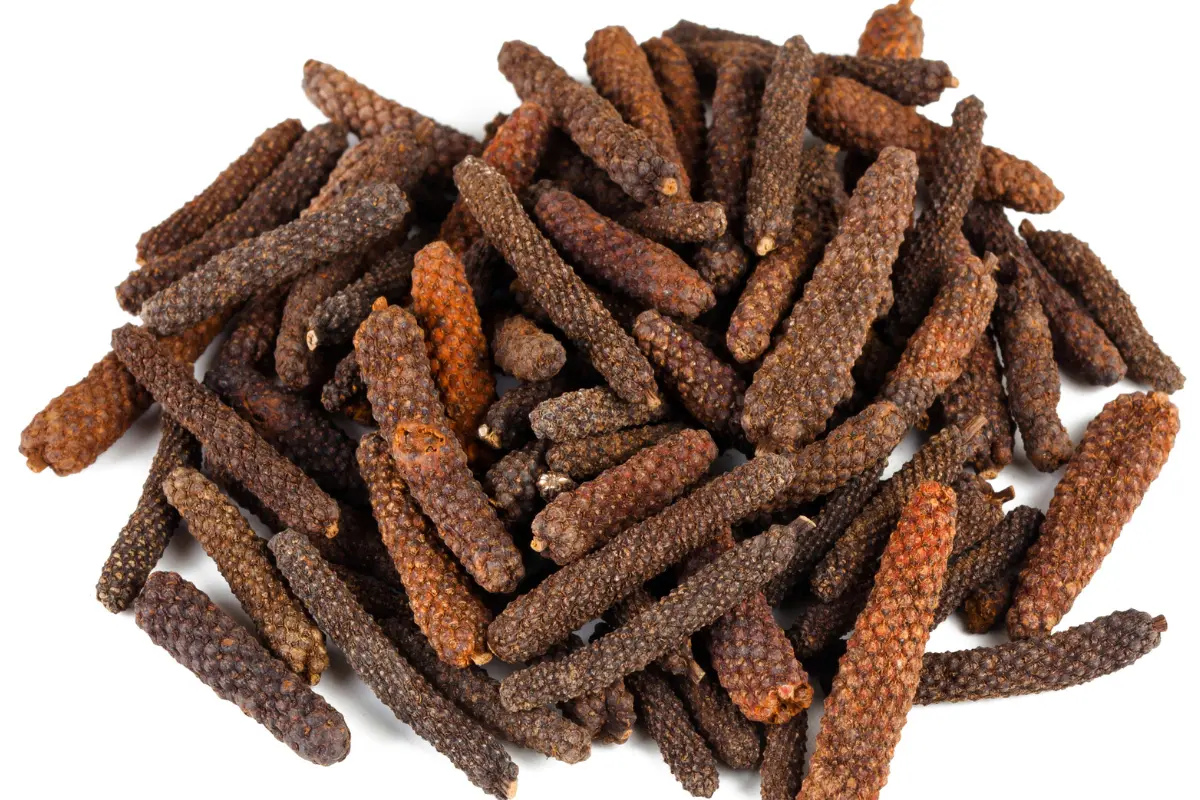
A natural compound extracted from long pepper may offer an effective and affordable treatment option for colon cancer, according to researchers at the National Institute of Technology (NIT) Rourkela.
The study suggests that Piperlongumine, found in the commonly used medicinal and culinary plant long pepper (pippali/thippili/maghaun), demonstrated potent anticancer effects in laboratory experiments without damaging healthy cells.
Safer alternative to chemotherapy
Colon cancer, among the world’s most prevalent cancers, caused nearly 1.9 million new cases and around 900,000 deaths in 2022, according to the World Health Organization (WHO). Conventional treatments such as chemotherapy are associated with serious side effects, including hair loss, fatigue, nerve damage, and reduced immunity, and in many cases, cancer cells eventually become resistant to the drugs.
Researchers at NIT Rourkela evaluated Piperlongumine in various in-vitro tests to assess its ability to kill colon cancer cells while sparing healthy ones. Their findings, published in the journal BioFactors, confirmed selective cancer cell destruction through increased oxidative stress.
“This natural compound from long pepper has shown strong anticancer effects with minimal side effects, making it a promising and safer alternative therapy. Over time, many cancer patients stop responding to chemotherapy, meaning the treatment no longer works, which can increase the risk of death,” said Prof. Bijesh Kumar Biswal, Associate Professor, Department of Life Science, NIT Rourkela.
Low-cost treatment potential for developing countries
Since long pepper is widely accessible and inexpensive, scientists believe Piperlongumine could become a cost-effective therapy, particularly in low- and middle-income nations where cancer treatment costs remain steep.
The researchers are now exploring whether the compound can be used alongside existing chemotherapy drugs such as oxaliplatin to improve response in resistant cases.
“As a next step, our team is investigating the use of piperlongumine alongside chemotherapeutic drugs such as oxaliplatin to help restore patients’ responsiveness to treatment. This discovery opens new possibilities for treating advanced and chemo-resistant colorectal cancer, where current treatment options are limited,” Biswal added.