Still gasping after COVID? Doctors reveal why
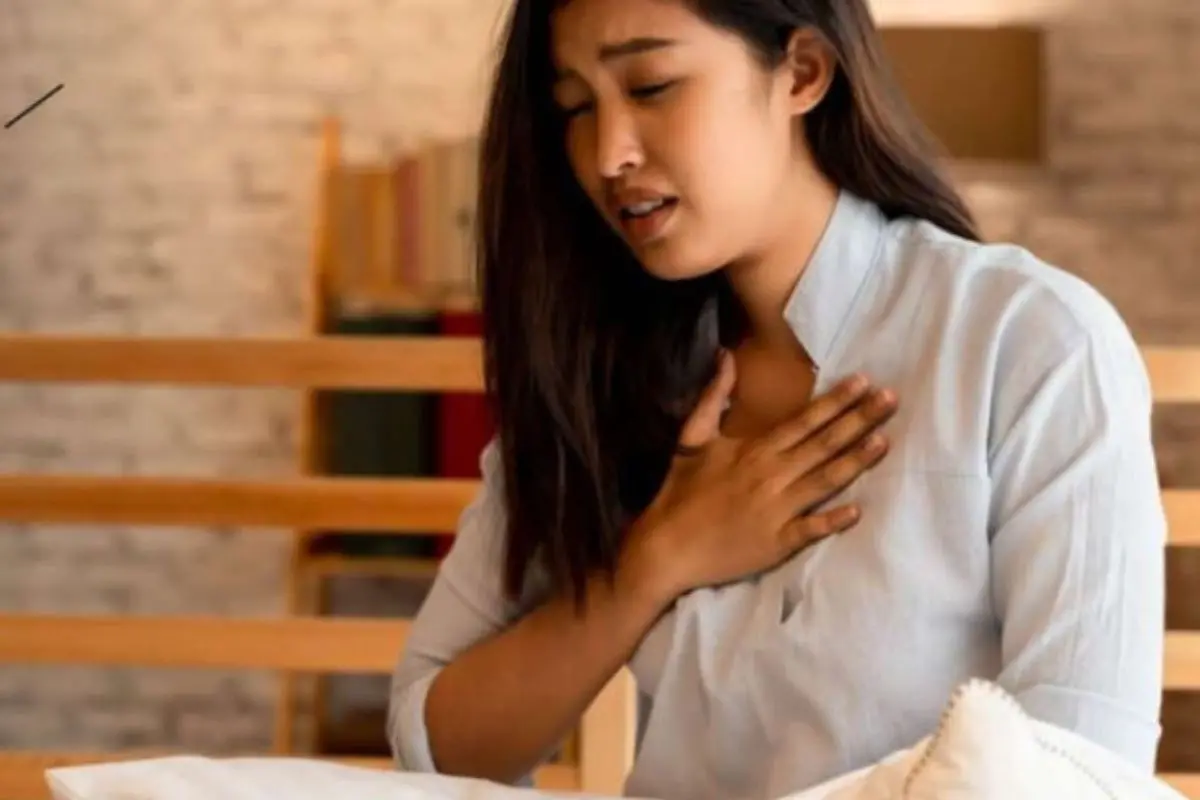
Mangalore: Even as the world moves forward from the COVID-19 pandemic, the virus continues to leave its shadow on survivors.
A significant number of patients, particularly those who suffered from severe illness, are still grappling with “Long COVID”—a collection of symptoms and complications that persist weeks or even months after recovery.
Speaking to Mathrubhumi, Dr (Mrs) Udaya S, Consultant Pulmonologist, KMC Hospital, Mangalore, said that the lungs are one of the organs most commonly affected.
“The most frequent complaints we see in patients post-COVID are shortness of breath and an unresolving dry cough,” she said, adding that the condition is especially seen in those who required ICU support during the infection.
Who is at risk?
Studies have found that some groups are more likely to develop post-COVID pulmonary complications.
These include unvaccinated individuals, patients with severe COVID requiring oxygen or ventilator support, those with comorbidities such as diabetes, obesity, autoimmune conditions, or asthma, as well as females, elderly patients above 65 years, and the Hispanic/Latino population. Multiple COVID-19 infections further increase the risk.
Common Post-COVID Lung Complications
Post-COVID Interstitial Lung Disease (Pulmonary Fibrosis)
Dr Udaya explains, “In some patients, the normal spongy texture of the lung becomes hard and thickened, making it difficult for oxygen transfer. This happens due to fibrosis, and in some cases, patients may require antifibrotic therapy if symptoms persist even after 12 weeks.”
Pulmonary Embolism
Blood clots in the lungs remain a serious complication. Patients may experience sudden breathlessness, chest pain, or even blood in sputum. “These cases require urgent diagnosis and long-term anticoagulant therapy,” she said.
Chronic Cough
A lingering cough after COVID is not unusual. “This may be linked to neuroinflammation of the vagal sensory neurons, leading to hypersensitivity,” Dr Udaya said. Medications like gabapentin, pregabalin, and tiotropium have shown effectiveness, along with speech and language therapy as part of rehabilitation.
Less Common but Serious Complications
Some survivors also face cavitary lesions that can rupture into a pneumothorax (collapsed lung), small airway disease mimicking asthma, unexplained pulmonary hypertension, or even multisystem inflammatory syndrome (MIS) that affects organs beyond the lungs.
Monitoring & Management
“Not every post-COVID patient develops complications, but those who do need close follow-up with physical exams, imaging, and pulmonary function tests,” Dr Udaya emphasised. She recommends pulmonary rehabilitation, oxygen support where necessary, preventive vaccinations, and anticoagulation in high-risk patients.
The Bottom Line
Most patients will eventually recover without major lung damage, but early recognition is vital. As Dr Udaya warns, “Patients should watch out for breathlessness, cough, fatigue, reduced exercise tolerance, chest pain, or signs of blood clots. Prompt medical attention can prevent long-term damage.”