Rat fever cases surge in Kerala: 5,308 infections and 356 deaths in 11 months
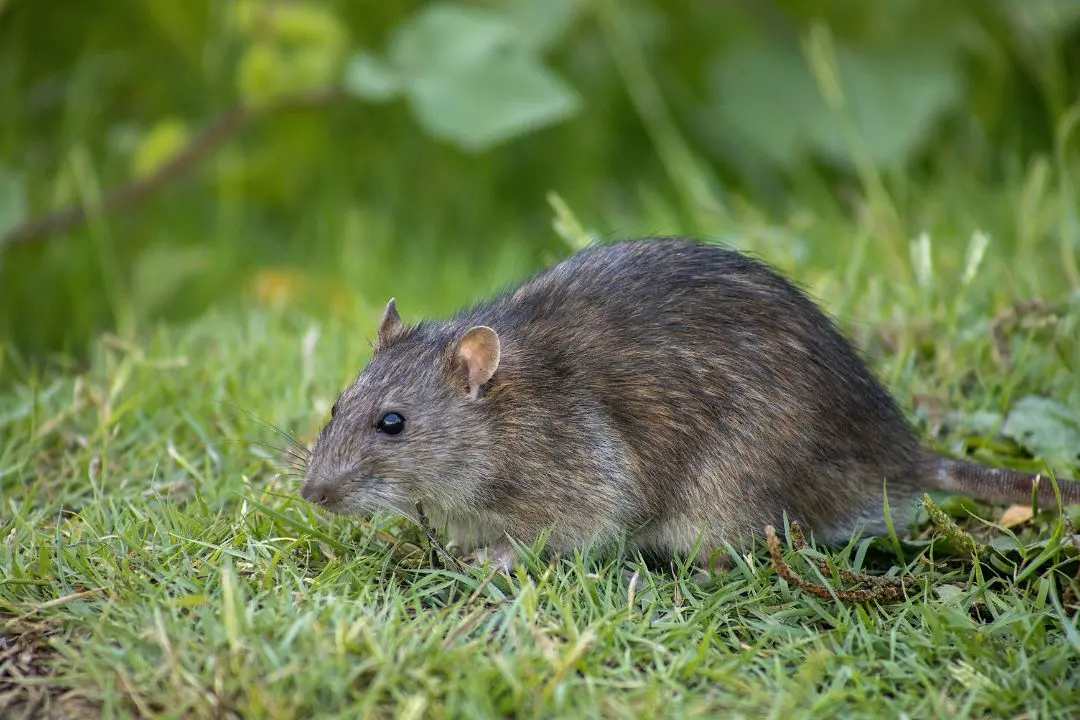
Thiruvananthapuram: The number of deaths from leptospirosis (rat fever) in the state over the past 11 months has risen to 356. Health experts warn that intermittent rainfall, both during and outside the monsoon season, has led to waterlogging and increased exposure to contaminated water, driving a surge in leptospirosis and other waterborne diseases. Both infections and fatalities linked to leptospirosis continue to rise.
Although preventive medication and treatment for leptospirosis are available, delayed diagnosis and the tendency for the disease to become severe very quickly are putting many lives at risk.
Doctors note that the illness typically begins with common flu-like symptoms such as fever and body aches, but cases progressing to severe illness within the first week are increasingly being reported.
Leptospirosis Cases and Deaths
Year | Cases | Deaths |
2021 | 1,745 | 97 |
2022 | 5,315 | 290 |
2023 | 5,186 | 282 |
2024 | 5,980 | 394 |
2025 (up to November) | 5,308 | 356 |
Amoebic meningoencephalitis, believed to spread through contact with contaminated water, affected 172 people in the past 11 months, resulting in 42 deaths. Dengue fever claimed 71 lives. Of the 887 cases of scrub typhus, a mite-borne disease, reported, 14 patients died.
Lack of proper liquid waste management
Dr A Althaf, Professor of Community Medicine at Thiruvananthapuram Medical College, points out that the conversion of water bodies and water sources into dumping grounds has become one of the state’s most serious public health threats.
Kerala is among the states with the weakest liquid waste management systems, processing only about 16% of its liquid waste. The remainder is improperly released into the soil. Local bodies must prioritise proper liquid waste treatment, he emphasised. Individuals exposed to contaminated water should take doxycycline as a preventive measure. Pathogens can enter water not only through rats but also through the urine of other animals such as dogs.