Soha Ali Khan asks ‘is monsoon causing your hair fall?’ An expert has the answer
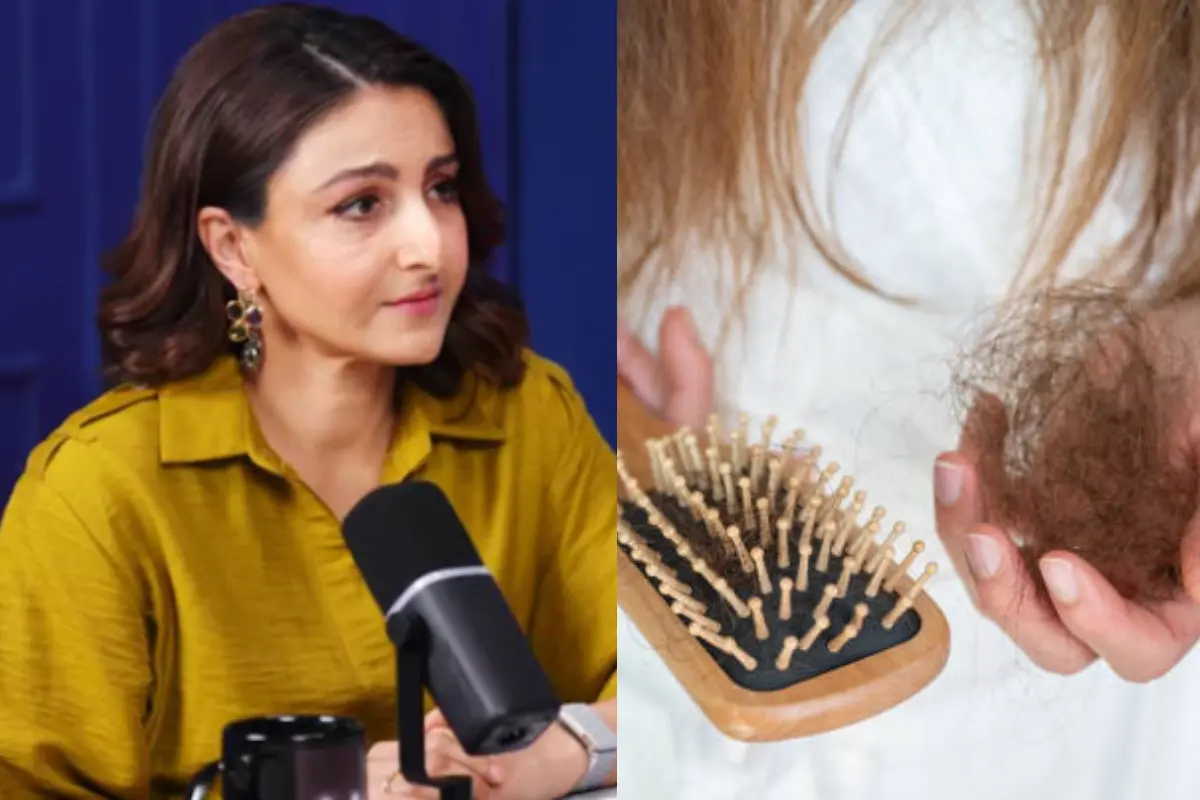
For many of us, monsoon comes with cloudy skies and sudden showers, it also seems to bring an alarming amount of hair fall. But is the rain really to blame? Actor Soha Ali Khan recently put the question to Saloni Anand, co-founder of Traya, who had a surprising explanation in her rescent YouTube Interview.
According to Anand, the hair falling today may have started its journey months ago and monsoon does not directly cause hair loss. What the season can do is create conditions that affect the scalp.
High humidity can increase dandruff and other scalp issues, which may make hair fall appear worse during this time.
But there is another factor people often overlook. Changes such as relocating to a new city, shifting homes, eating differently, adjusting to a new environment or experiencing increased stress can also contribute to hair fall.
Also Read: Supplements people may need to fill nutritional gaps
While many people blame a change in water quality after moving, Anand says the stress surrounding these lifestyle changes may be a significant factor.
How much hair fall is too much?
Instead of immediately blaming shampoo or the weather, look back at the previous three months. Hair that falls today may have entered the telogen phase, the stage of the hair cycle when a strand stops growing and eventually detaches from the follicle.
The growth phase, known as anagen, can last anywhere from two to seven years depending on the health of the hair. It is followed by the shorter catagen phase and then telogen, when the strand eventually sheds.
Also Read: Why stress makes your stomach bloat and how to stop it
This means that an illness, prolonged stress, poor nutrition, crash dieting or sudden weight loss several months ago could show up as hair fall today.
Don't panic at the first sign of extra strands in the drain. If the hair fall continues for more than two to three months, however, it may be time to speak to an expert than simply switching shampoos or blaming the monsoon.
(Disclaimer: The information provided here is for general informational and educational purposes only and does not constitute professional medical advice, diagnosis, or treatment. Always seek the advice of your physician or other qualified health provider with any questions regarding a medical condition.)