From gym trend to everyday diet: Is India's protein obsession going too far?
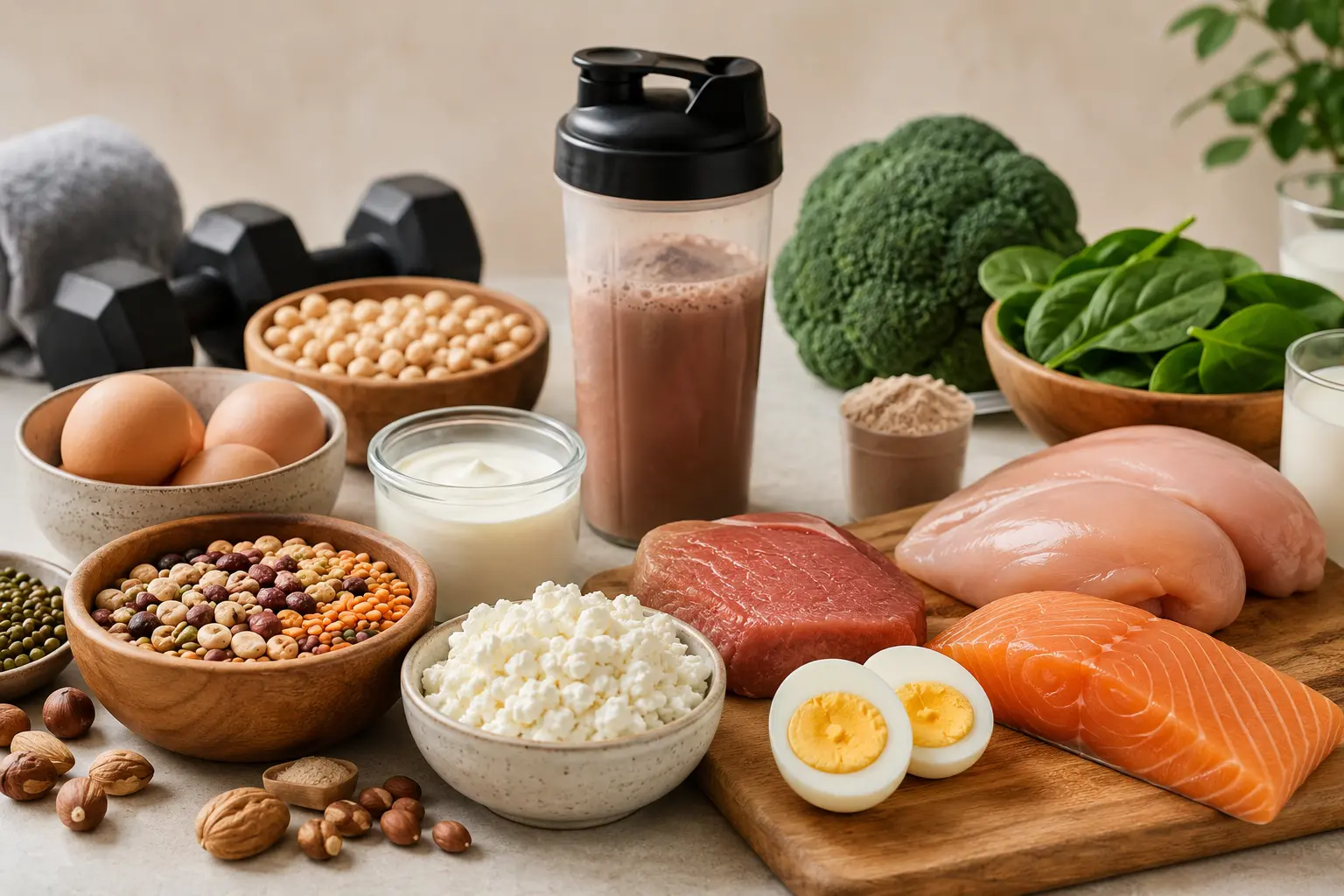
Walk into any supermarket today and you'll notice the word protein everywhere—on breakfast cereals, biscuits, yoghurt, snacks and even bottled beverages. Step into a gym, and chances are someone will recommend a protein shake before you've finished your first workout. Somewhere along the way, protein has stopped being just another nutrient and become a marker of a "healthy lifestyle."
Greater awareness about protein is certainly welcome. For years, India's nutritional challenge was that many people simply weren't consuming enough of it.
Also Read: Can smoking help microplastics reach your heart? A new study says it might
But in recent years, I've noticed a different trend. More patients now ask whether they should be taking protein powders even though they exercise only occasionally, or whether eating extra protein will automatically help them stay healthier. The answer is rarely that straightforward.
More isn't always better
Protein is essential. Our muscles, immune system, hormones and countless normal body functions depend on it. But the body's requirements aren't the same for everyone. Someone training for competitive sport has very different nutritional needs from a person who walks for half an hour every day.
One of the biggest myths is that consuming more protein will always translate into more muscle or better health. In reality, muscle strength depends not just on nutrition but also on regular exercise, adequate sleep and overall fitness. Protein is one piece of the puzzle—not the entire picture.
What this means for your kidneys
As a nephrologist, the question I'm asked most often is whether high-protein diets damage the kidneys.
For people with healthy kidneys, there is no convincing evidence that a moderately higher protein intake, as part of a balanced diet, causes kidney disease. Unfortunately, this message is often oversimplified in both directions.
Also Read: Is Kuzhimandi safe?
Some people avoid protein unnecessarily out of fear, while others believe there is no upper limit to how much they should consume.
The situation is very different for people who already have chronic kidney disease. When kidney function is impaired, protein intake often needs to be tailored to the individual. That's why advice picked up on social media isn't suitable for everyone.
Supplements are not a shortcut
Another noticeable change is the growing dependence on protein supplements. Many healthy adults can easily meet their daily requirements through regular foods such as dals, milk, curd, eggs, fish, lean meat, soy and pulses. Supplements can be useful, but they aren't something everyone needs.
Not all protein supplements are created equal. Some contain added sugars or other ingredients that may not suit everyone, particularly those with diabetes, hypertension or kidney disease. It's always better to seek medical advice before using them regularly.
Nutrition should never revolve around a single nutrient. A plate filled with protein but lacking fruits, vegetables, whole grains and fibre is not a balanced diet. Good health comes from consistency, not extremes.
Also Read: Can the viral ‘cortisol cocktail’ really lower stress? Here's what to know
Protein deserves its place in a healthy diet, but it doesn't need to become an obsession.
Before following the latest online trend or adding another supplement to your routine, ask a simple question: Do I actually need it?
In medicine, the best approach is rarely "the more, the better." More often, it's about getting the basics right and tailoring nutrition to the individual rather than to the latest fitness fad.
-Dr Hima Deepti Alla is a Sr. Consultant - Nephrology & Renal Transplant at Arete Hospitals, Hyderabad