Fertility diet could change everything for women with endometriosis, says expert
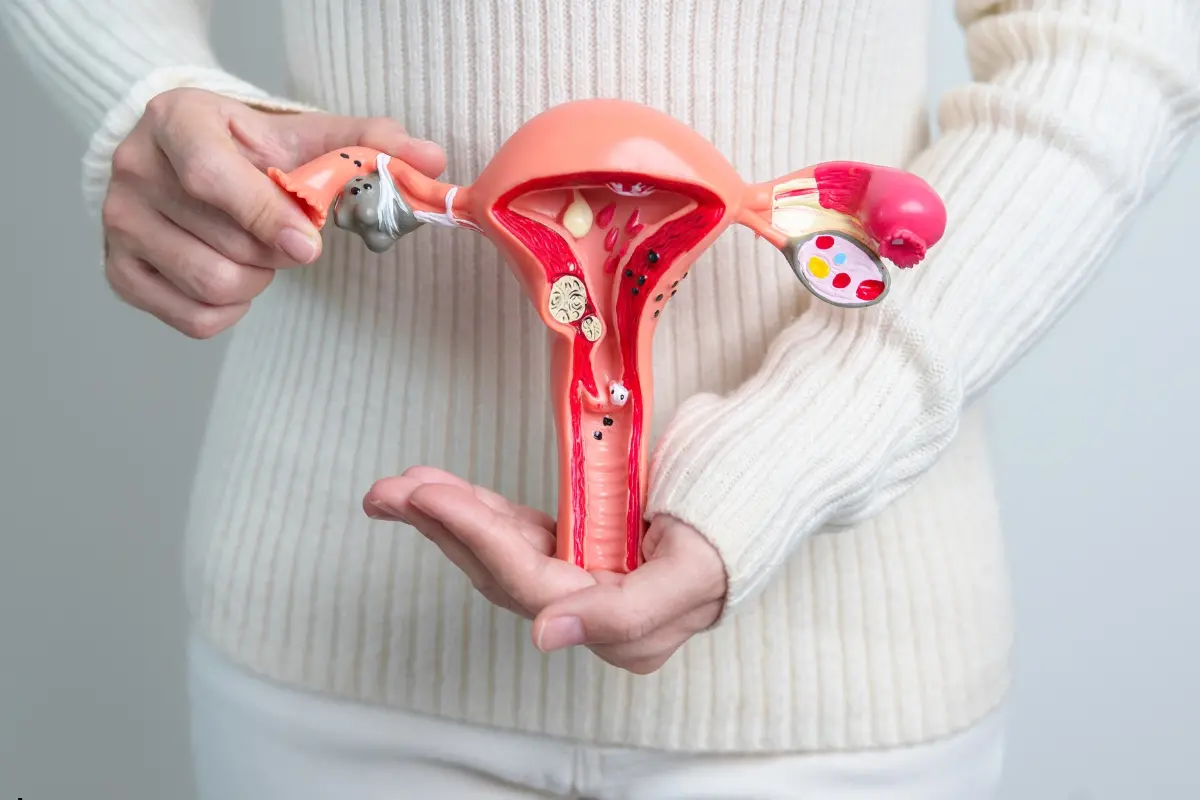
Women diagnosed with endometriosis who are trying to conceive may see improvements in fertility by adopting a targeted anti-inflammatory diet, according to an expert.
Such a diet helps regulate hormones, reduce chronic inflammation, and support overall reproductive health.
Omega-3 rich foods like salmon, flaxseeds, and walnuts are known to counteract the inflammatory effects of endometriosis.
Leafy greens such as spinach, kale, and Swiss chard offer essential nutrients that boost fertility, while cruciferous vegetables like broccoli and cauliflower help support healthy oestrogen metabolism — crucial for managing oestrogen dominance often seen in endometriosis patients.
Whole grains including quinoa, oats, and brown rice help stabilise blood sugar and reduce hormonal imbalances. Lean protein sources — such as organic chicken, eggs, lentils, and chickpeas — aid in hormone production and can enhance egg quality.
Healthy fats from avocado, olive oil, and various nuts play a vital role in reducing inflammation and supporting hormonal balance.
The expert also recommended incorporating iron- and zinc-rich foods such as beans, cereals, pumpkin seeds, chickpeas, and shellfish to compensate for blood loss and promote reproductive wellness. Vitamin D, obtained through fortified dairy, fatty fish, or sun exposure, is also considered important for ovarian function and implantation.
Hydration was highlighted as equally essential for maintaining cellular function and flushing out toxins.
Pro-inflammatory foods like processed sugars, trans fats, red meat, and excessive dairy should be avoided, as they may worsen symptoms and negatively affect fertility.
While no diet can guarantee pregnancy, the expert noted that a balanced, anti-inflammatory eating plan combined with healthy lifestyle changes can significantly improve fertility outcomes in women with endometriosis.
(Note: This article is for informational purposes only and not a substitute for professional medical advice.)