In you 20's and diagnosed with fatty liver? Why young Indians are at risk
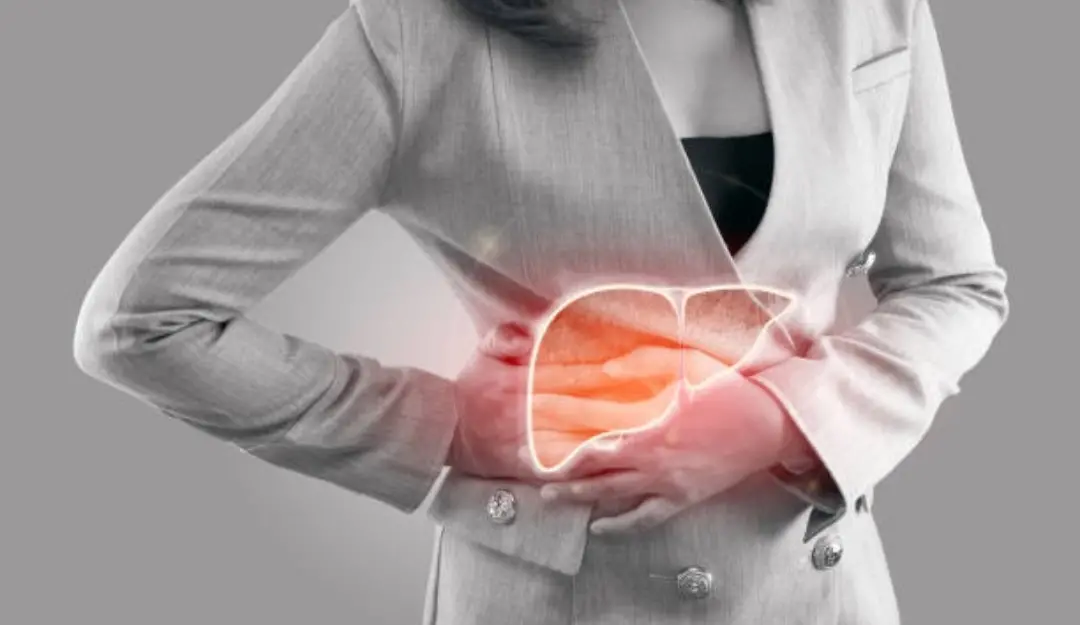
Fatty liver disease is becoming an increasing health concern in India, particularly among young professionals. Studies indicate that a significant percentage of individuals, especially in the IT sector, are developing fatty liver due to work-related stress, lack of physical activity, and poor dietary habits. While fatty liver can lead to serious health complications if left untreated, it is often reversible with appropriate lifestyle changes.
Unexpected diagnoses among young adults
Many young people discover they have fatty liver by accident, often during routine health check-ups or scans for unrelated medical concerns. Women aged 20-27, in particular, have reported being diagnosed with fatty liver while undergoing tests for other conditions such as PCOD or urinary tract infections. Despite maintaining what perceive as relatively healthy lifestyles, including occasional indulgences in fast food or alcohol, they are surprised to learn they have the condition.
Understanding fatty liver and its stages
Fatty liver occurs when excess fat accumulates in the liver, affecting its function. The condition is classified into two main types:
- Alcoholic Fatty Liver Disease (AFLD) – Caused by excessive alcohol consumption.
- Non-Alcoholic Fatty Liver Disease (NAFLD) – Associated with poor diet, obesity, and metabolic disorders.
Fatty liver progresses through four stages:
- Simple Fatty Liver (Steatosis) – Excess fat buildup without inflammation.
- Steatohepatitis – Inflammation of the liver due to fat accumulation.
- Fibrosis – Formation of scar tissue in response to ongoing inflammation.
- Cirrhosis – Severe and irreversible liver damage that can lead to liver failure.
Early-stage fatty liver is often reversible with the right lifestyle modifications, but once it progresses to cirrhosis, the damage becomes permanent.
Why are fatty liver cases increasing?
Several factors contribute to the rising number of fatty liver cases, with lifestyle choices being a primary cause. The most common contributors include:
- Sedentary habits – Long hours of sitting and lack of exercise.
- Unhealthy diet – Increased consumption of processed foods, sugary drinks, and high-fat meals.
- Obesity and metabolic disorders – Conditions such as diabetes, high cholesterol, and hypertension increase the risk.
- Alcohol consumption – Even moderate alcohol intake can contribute to fatty liver.
- Genetic factors – Some individuals may be more susceptible due to inherited traits.
Changing eating habits and an increase in fast food consumption have also played a major role. Many individuals rely on food delivery services, consume high-fat meals at irregular hours, and snack late at night, all of which can negatively impact liver health.
How to identify fatty liver?
Fatty liver is often referred to as a “silent disease” because it may not present noticeable symptoms in its early stages. However, as it progresses, some common signs include:
- Persistent fatigue and weakness
- Pain or discomfort in the upper right abdomen
- Unexplained weight loss
- Jaundice (yellowing of the skin and eyes in severe cases)
- Dark urine and pale stools
Doctors typically use the following tests to diagnose fatty liver:
- Liver function tests (LFTs) – Measures liver enzyme levels.
- Ultrasound or FibroScan – Identifies fat accumulation and liver stiffness.
- Blood tests (fasting blood sugar, lipid profile, HbA1c) – Checks for metabolic risk factors.
- MRI or CT scan – Provides detailed imaging in advanced cases.
Can fatty liver be reversed?
Fatty liver is reversible in its early stages through lifestyle changes. Some effective strategies to improve liver health include:
1. Dietary modifications
- Reduce consumption of processed foods, junk food, and trans fats.
- Increase intake of lean proteins, fiber, and healthy fats.
- Avoid refined carbohydrates and sugary drinks.
- Incorporate more green vegetables, whole grains, and fresh fruits into daily meals.
- Stay hydrated and limit alcohol consumption.
2. Regular physical activity
- Engage in at least 30-45 minutes of exercise five times a week.
- Include activities such as brisk walking, cycling, swimming, or jogging.
- Strength training exercises can help manage weight and improve metabolism.
3. Weight management
- Losing 3-5% of body weight can significantly reduce liver fat.
- A 10% reduction in body weight can reverse early-stage liver inflammation and fibrosis.
4. Additional lifestyle adjustments
- Avoid reusing cooking oils, as they produce harmful trans fats.
- Maintain healthy cholesterol and blood sugar levels through diet and medication if necessary.
- Drinking black coffee in moderation has been shown to support liver health.
Fatty liver disease is increasingly affecting young Indians, primarily due to lifestyle changes and poor dietary habits. However, early detection and lifestyle modifications can prevent long-term complications. Regular health check-ups, a balanced diet, and consistent physical activity are essential for maintaining liver health and overall well-being.
(Disclaimer: This article is for informational purposes only and should not be considered medical advice. Please consult a healthcare professional before making any changes to your diet or lifestyle.)