Think energy drinks give you energy? Science says they’re tricking your brain
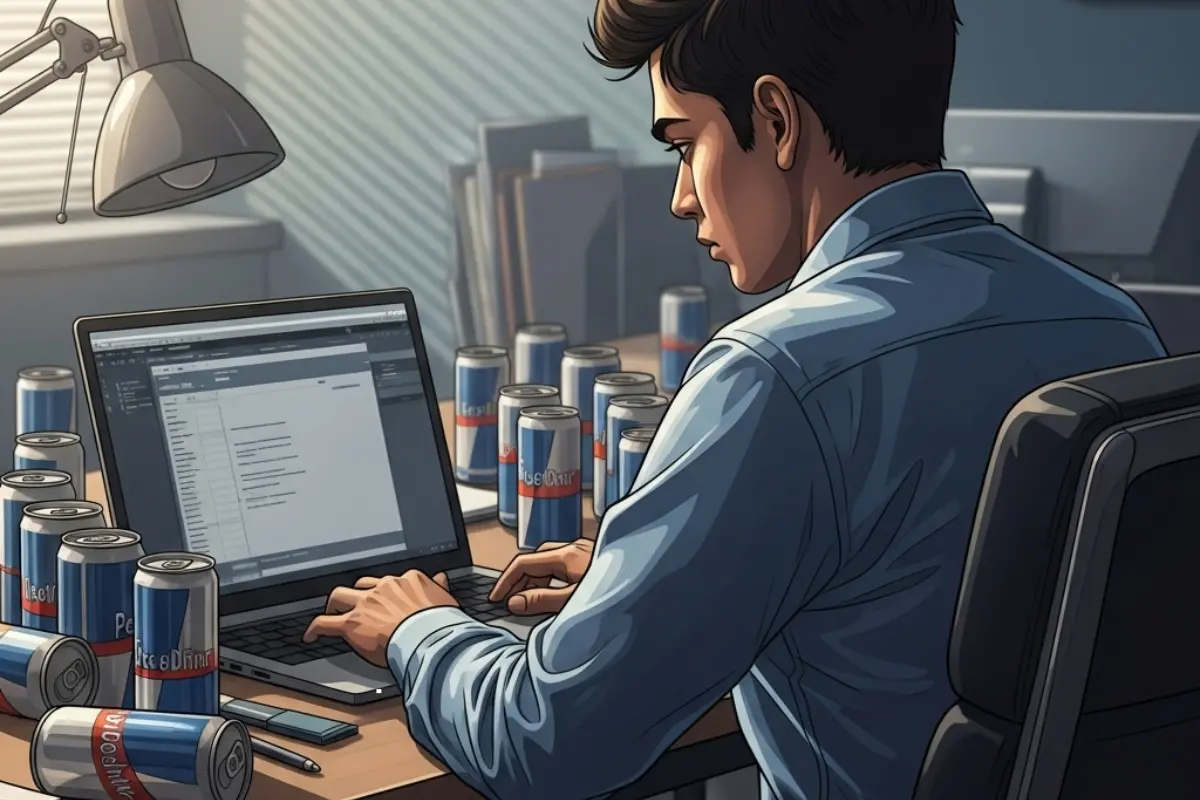
If you can’t function without your daily can of Red Bull or Monster, you’re not alone — but experts warn this quick fix could be masking deeper health issues. A UK physician has revealed how energy drinks trick the brain into feeling awake, potentially trapping you in a cycle of fatigue and dependence.
Feeling tired all the time? Your energy drink habit might be masking a deeper health problem
The illusion of instant energy
It’s 2 pm, your energy dips, and the easiest solution seems to be cracking open another can of your favourite energy drink. But experts warn that this quick fix may be doing more harm than good. While these drinks can make you feel alert temporarily, they don’t actually provide genuine energy. Instead, they interfere with the body’s natural fatigue signals by blocking adenosine, the hormone responsible for making you feel sleepy.
How energy drinks trick your brain
By blocking adenosine, energy drinks also affect dopamine regulation — giving you a short-lived sense of motivation and focus. This artificial alertness often traps people in a cycle of dependence, making it harder to function without caffeine. Over time, your body’s natural ability to manage energy and focus can weaken, pushing you to consume even more stimulants just to feel “normal.”
Hidden causes of chronic tiredness
Many people turn to caffeine to cover up deeper health issues. Persistent fatigue could be linked to sleep deprivation, chronic stress, anxiety, or even undiagnosed conditions such as ADHD. Low levels of vitamins B12 and D, or conditions like depression and chronic fatigue syndrome (myalgic encephalomyelitis), can also cause ongoing tiredness that caffeine can’t fix.
The long-term risks of relying on caffeine
Frequent consumption of energy drinks has been associated with heart palpitations, high blood pressure, irritability, and disrupted sleep patterns. Instead of improving focus or productivity, excessive use can worsen fatigue, mood swings, and anxiety — creating a vicious cycle that impacts both physical and mental health.
What to do instead
If you find yourself constantly reaching for caffeine to get through the day, it might be time to look at the bigger picture. Medical professionals recommend addressing the root causes of fatigue rather than masking them with stimulants. Getting enough sleep, maintaining a balanced diet, exercising regularly, and checking for nutrient deficiencies can make a lasting difference.
(Note: This article is for informational purposes only and should not be considered medical advice. Always consult a qualified healthcare provider for diagnosis and treatment of underlying health issues.)