How safe is your tattoo? New study says it may raise cancer risk by 137%
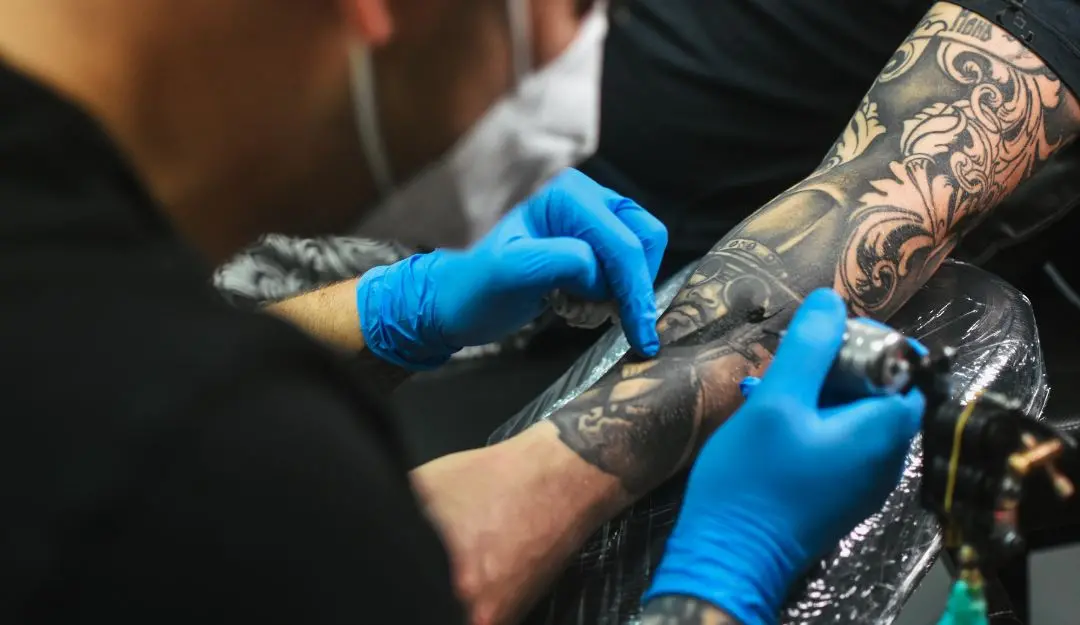
Tattoos have become a popular form of self-expression, with more people choosing to get inked than ever before. However, a recent study published in BMC Public Health has raised concerns about the potential health risks associated with tattoo ink, particularly its link to certain types of cancer.
Tattoos and increased cancer risk
The study analysed data from over 2,000 twins, comparing cancer rates between those with tattoos and those without. The findings were striking—individuals with tattoos were found to have a 62 percent higher risk of developing cancer than those without.
The risk of skin cancer increased by 137 percent for people with tattoos larger than the palm of the hand. Even more concerning, the likelihood of developing lymphoma, a type of blood cancer, rose by 173 percent in tattooed individuals.
How tattoo ink may affect the body
Researchers found that particles from tattoo ink can accumulate in regional lymph nodes and potentially travel through the bloodstream to other organs. This has raised concerns about the long-term impact of tattoo ink on the immune system and internal organs.
According to the study, black ink—the most commonly used tattoo colour—contains soot-based carbon black, a substance classified as “possibly carcinogenic to humans” by the International Agency for Research on Cancer (IARC).
Coloured inks also pose risks, as they often contain azo compounds, which can break down into carcinogenic aromatic amines when exposed to sunlight or laser removal treatments.
Chronic inflammation and cancer risk
The study highlighted how tattoo ink can induce inflammation at the deposit site, which could lead to chronic inflammation over time. This, in turn, might increase the risk of abnormal cell growth, potentially contributing to the development of skin cancer and lymphoma.
The researchers stated, "Tattoo ink induces inflammation at the deposit site that may eventually lead to chronic inflammation and increased risk of abnormal cell proliferation, especially skin cancer and lymphoma."
They further warned, "Ink particles with known or suspected carcinogenic properties may gradually increase this risk over time."
Tattoos and rising popularity
The concerns raised by this study come at a time when tattoos are more popular than ever. In some countries, 20-25 percent of people have tattoos, and this percentage is almost double among younger generations.
With tattoo culture on the rise, the study serves as an important reminder for individuals to be aware of potential health risks associated with tattoo ink and to carefully consider the safety of the inks being used.
For a deeper dive into the study, you can access the full journal article here.