Not all fats are bad: These oils support heart health
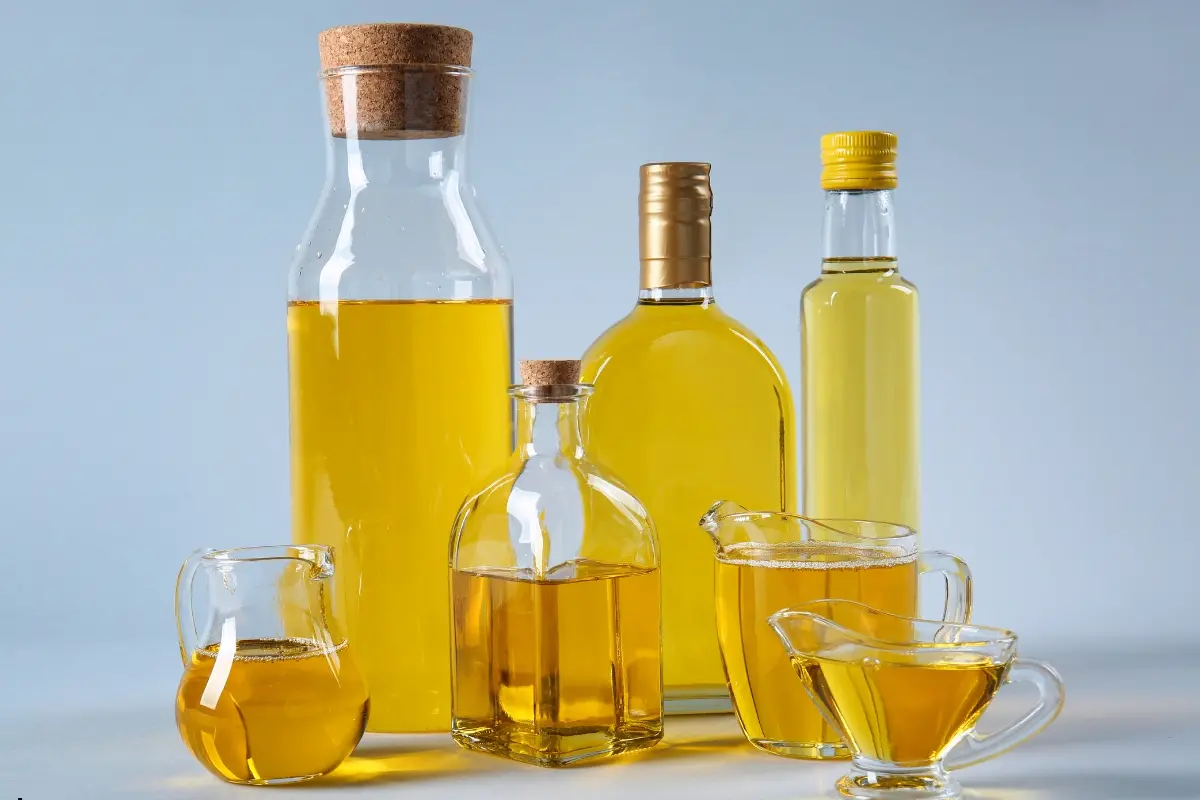
Cooking oil is a daily kitchen staple, used in everything from frying and sautéing to baking and salad dressing.
But beyond its culinary use, certain oils can significantly impact health—particularly heart health and cholesterol levels.
According to a health expert, understanding the science behind edible oils and choosing the right types can improve nutrition and support a healthier lifestyle. Here are four key facts that may change how you use cooking oil:
1. Oils can help increase good cholesterol
Cooking oils are a major source of dietary fat, which is essential for the body. As per ICMR guidelines, 15-30% of total energy intake should come from fats. Certain oils, especially those with a good balance of monounsaturated (MUFA) and polyunsaturated (PUFA) fats, can reduce bad cholesterol (LDL) and raise good cholesterol (HDL). Multi-source oils rich in these fats also contain antioxidants and vitamins that support heart health and reduce inflammation.
Single-seed oils like sunflower and rice bran oil are naturally high in Vitamin E and are known to help reduce LDL levels while boosting energy.
2. Multi-source oils offer balanced nutrition
Multi-source or blended edible oils combine two or more types—such as sunflower with rice bran oil or safflower oil—to create a nutritionally balanced product. These blends are rich in essential fatty acids and often fortified with vitamins A, D, E, and oryzanol. They can lower triglyceride levels and support weight management.
Some blends also improve cooking efficiency. For example, olive oil’s low smoke point can be offset by mixing it with a higher smoke point oil like rice bran oil, making the combination suitable for frying while retaining nutritional benefits.
3. Smoke point matters
Every cooking oil has a smoke point—the temperature at which it starts to break down and release harmful compounds. Using oils beyond this temperature not only damages their nutrients but can also release free radicals.
High-smoke-point oils such as rice bran and sunflower oil (approx. 232.2°C) are ideal for frying, while low-smoke-point oils like extra virgin olive oil or walnut oil are better for gentle cooking or salads. Avoid reheating oils and overheating them during cooking to preserve their health benefits.
4. Not all fats in oils are bad
Contrary to popular belief, fats found in cooking oils aren’t all unhealthy. The body needs certain fats to produce hormones, support cell growth, and absorb nutrients:
MUFA (e.g., olive oil, peanut oil): Helps reduce LDL and supports heart health.
PUFA (e.g., flaxseed oil, soybean oil): Provides essential omega-3 and omega-6 fatty acids.
Saturated fats (e.g., coconut oil, butter): Should be consumed in moderation as they can raise cholesterol.
Trans fats (found in processed and fried foods): Should be avoided due to links with heart disease and inflammation.
Choosing the right cooking oil can improve the taste of your food while enhancing your health. By understanding the benefits of good fats, using blended oils, and being mindful of cooking temperatures, you can make more informed decisions in the kitchen.
(Disclaimer: This article is for informational purposes only and is not a substitute for professional medical advice. Always consult a healthcare provider for personalised guidance.)