How to turn panic into peace: Simple science-backed habits that calm anxiety
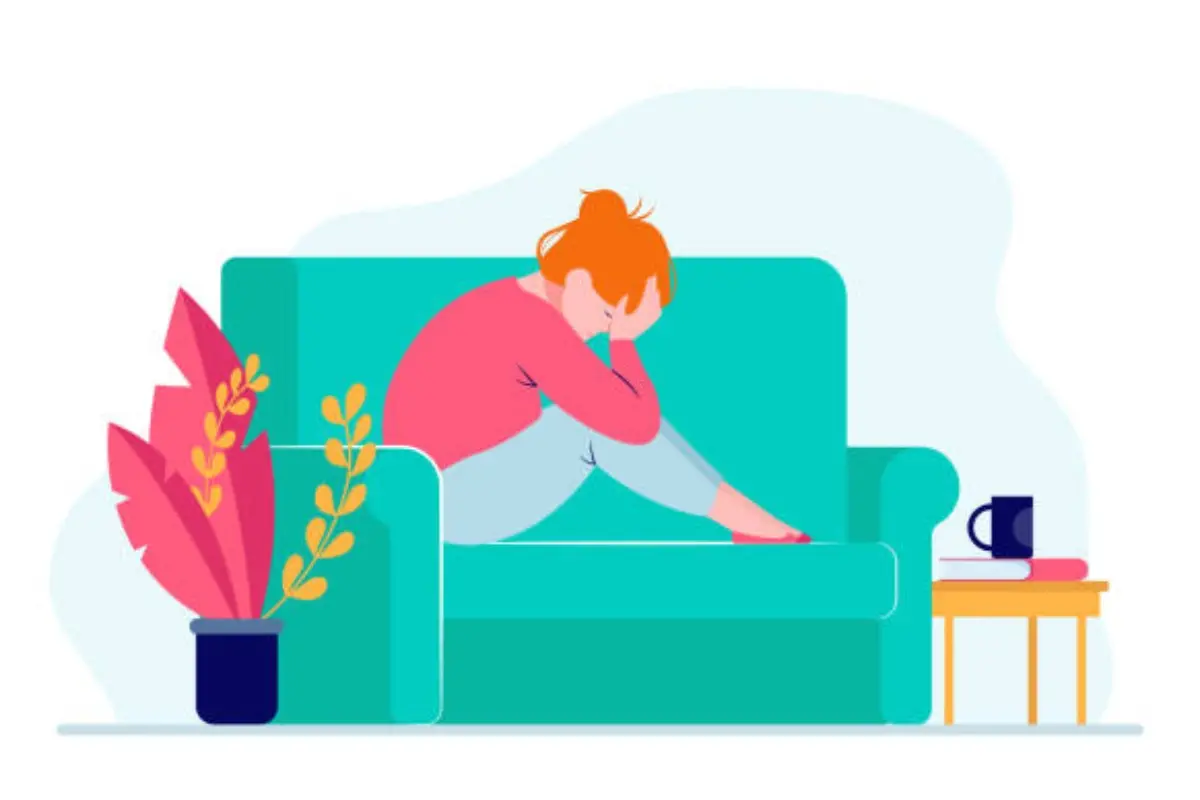
Anxiety disorders are the most common mental-health conditions worldwide, affecting an estimated 301 million people, according to the World Health Organization.
Panic attacks—intense surges of fear marked by chest tightness, dizziness and a racing heartbeat—can appear suddenly and derail daily life. A growing body of peer-reviewed research and clinical guidelines now points to six practical, science-backed strategies that significantly reduce symptoms and improve long-term resilience.
1. Move your body, rewire your brain
Meta-analyses covering more than 80 randomized controlled trials (RCTs) show that regular exercise lowers baseline cortisol and boosts brain-derived neurotrophic factor (BDNF), a protein associated with stress tolerance.
HIIT (High-Intensity Interval Training): Short bursts of activity (30–45 seconds) followed by brief rests reproduce the breathlessness felt during panic, teaching the brain that these sensations are not dangerous. Studies from the Journal of Affective Disorders report up to a 45 % reduction in anxiety scores after eight weeks of HIIT.
LISS (Low-Intensity Steady State): Brisk walking, swimming or cycling for 30 minutes, three to five times a week, improves heart-rate variability and mood.
2. Eat to stabilise blood sugar and lower inflammation
Anxiety spikes blood glucose; refined carbs and sugary drinks mimic the same roller-coaster, worsening jitters. A 2021 review in Nutrients links Mediterranean-style eating—abundant vegetables, whole grains, legumes, olive oil, fish and nuts—to lower anxiety prevalence and reduced inflammatory markers (CRP, IL-6). Replacing ultra-processed snacks with protein-and-fibre pairings evens out energy levels and supports neurotransmitter production.
3. Medication: Effective, but not stand-alone
Large-scale reviews by the Cochrane Collaboration confirm that SSRIs and SNRIs outperform placebo for generalized anxiety disorder; however, 30–40 % of patients see partial or no remission. Best practice guidelines recommend combining pharmacotherapy with cognitive-behavioural therapy (CBT), exercise and sleep optimisation to maximise benefit and minimise side-effects.
4. Cold-water exposure for stress adaptation
Controlled trials in PLOS ONE show that brief, repeated cold-water immersions (10–15 °C for 60–90 seconds) elevate noradrenaline and dopamine, improving mood and attention for up to two hours post-exposure. Habitual cold showers also appear to recalibrate the hypothalamic-pituitary-adrenal (HPA) axis, lowering resting stress hormone levels. Begin with a 15-second cold rinse at the end of a warm shower, extending gradually while avoiding solitary open-water swims.
5. Expressive writing as emotional processing
In classic experiments by psychologist James P. Pennebaker, participants who wrote 15 minutes a day about upsetting experiences—linking facts to emotions—showed decreased anxiety, enhanced immune function and even faster wound healing compared with neutral-writing controls. Modern replications confirm small-to-moderate anxiety reductions lasting up to three months.
6. Talk therapy and social connection
Across hundreds of CBT trials, the therapeutic alliance—the sense that a client feels heard and understood—emerges as the strongest predictor of symptom improvement. Group programs and peer-support networks offer similar benefits: they normalise experiences, reduce shame and provide practical coping models. Regular check-ins with friends, family or support groups reinforce safety signals to the nervous system.
Integrating the evidence
Clinical guidelines from bodies such as the American Psychological Association advise combining at least two of the strategies above—for example, structured exercise plus CBT or dietary change plus medication—for optimal results. Track progress over four to eight weeks, adjust the mix, and maintain what measurably reduces anxiety severity (e.g., GAD-7 or Panic Disorder Severity Scale scores).
(Disclaimer: This article provides general information only and is not a substitute for personalised medical advice. Always consult a qualified healthcare professional before starting or changing any treatment.)