From fatty liver to liver cancer: Why early detection and prevention matter
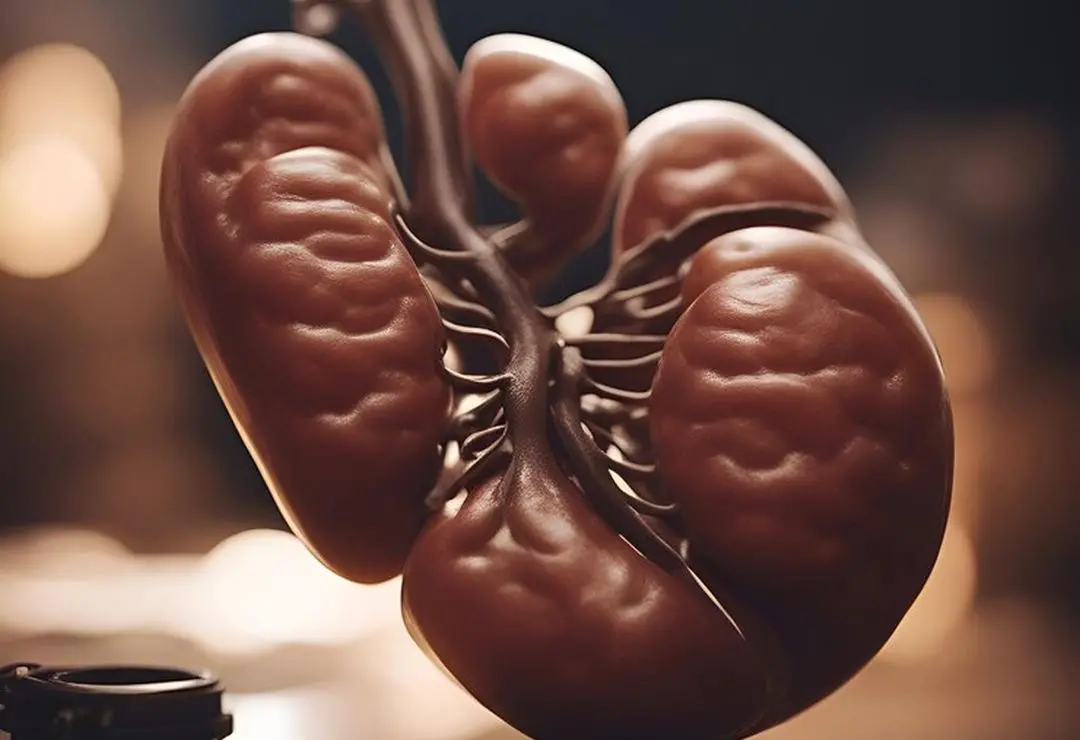
Fatty liver disease is a condition that is increasing in incidence and prevalence in epidemic proportions the world over. In India too, we are not far behind in comparison to the western world. The relevance of the disease is the risk of advanced liver disease like cirrhosis of the liver where the liver becomes hardened and reduced in its functional ability.
Liver cirrhosis is associated with multiple complications like variceal bleed (vomiting blood), fluid collection in abdominal cavity, jaundice and development of liver cancer. In fact, fatty liver is fast overriding other causes in causing cirrhosis liver and liver cancer.
Modern change in food habits and preferences, inadequate exercise, obesity, diabetes and dyslipidemia (high cholesterol) apart from alcohol are some of the causes contributing to fatty liver. Adherence to healthy lifestyle, optimum control of body weight, good diabetic control and avoidance of alcohol are some of the prerequisites needed to prevent fatty liver.
More than 90% of diabetic population will have fatty liver and hence periodic screening is advised to grade and stage progressive diseases, if any, to arrest progression. About 30% of persons with Steatohepatitis (active injury to liver) due to fat will progress to cirrhosis without causing any symptoms.
Non-invasive methods of assessing liver fibrosis are available to stage the disease. About 25-30% of patients with cirrhosis are at risk of developing liver cancer. Unfortunately, liver cancer is detected at an advanced stage in the majority of cases. Curative therapies have only a limited role in a situation of dysfunctional remnant liver tissue.
Early detection of fatty liver in high-risk patients like in obese and diabetic patients will go a long way in preventing detrimental end-stage liver disease. Staging of liver fibrosis can be done by various non-invasive methods.
Earlier, Liver biopsy, which can have complications, was the only method available to assess liver fibrosis-an earlier occurrence prior to development of liver cirrhosis. The current non-invasive assessment by blood tests and Fibroscan and MRI based tests can stage fibrosis severity. These guide clinicians in planning treatment for reversing the fibrosis which is possible in early stage.
Advanced stages of cirrhosis with complications can be cured only by liver transplantation. The unavailability of liver donors and the cost of transplantation are forbidding. Proper awareness among all concerned will help mitigate the explosion of these advanced disease states in future.