Autoimmune Encephalitis: Recognising symptoms for early intervention
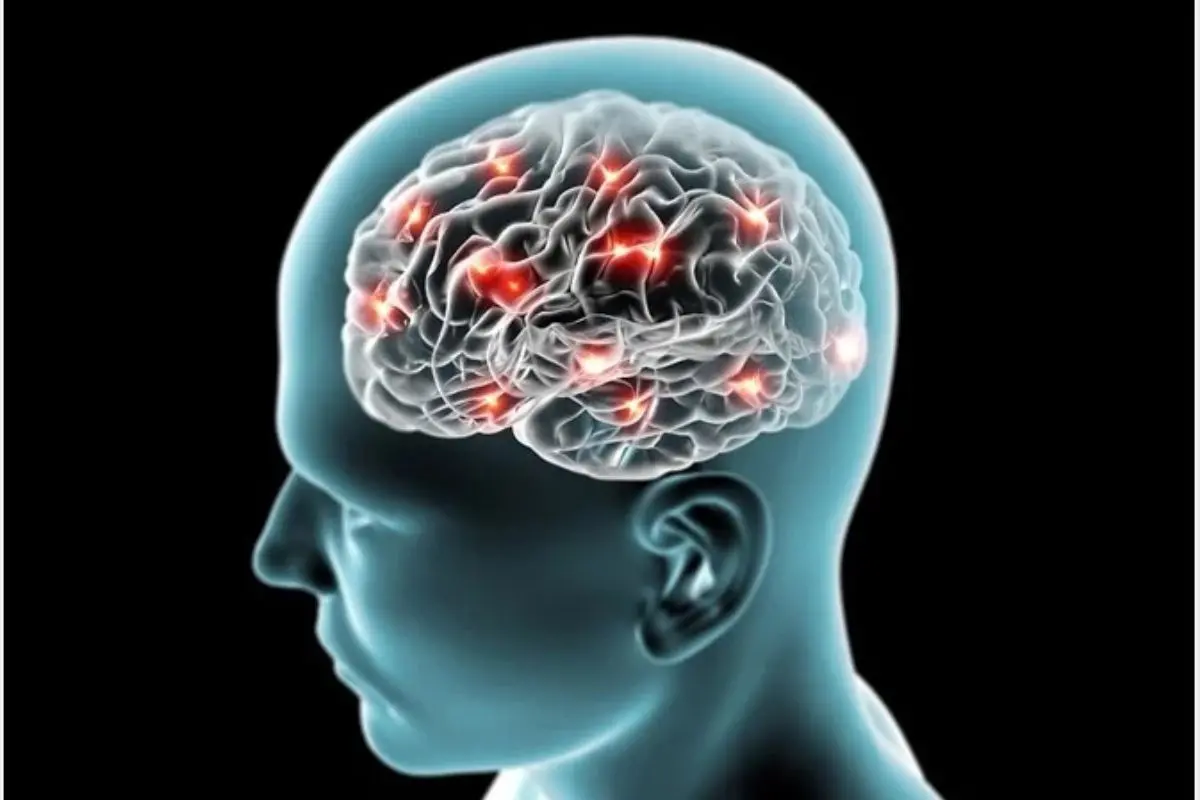
Mangalore: Autoimmune encephalitis, a condition in which the body’s immune system mistakenly attacks healthy brain tissue, can often go unnoticed due to its vague onset and psychiatric-like symptoms, warns Dr Rohit Pai, Consultant – Neurology, KMC Hospital, Mangalore.
Explaining the condition, Dr Pai said, “When autoantibodies attack normal brain matter, it is called autoimmune encephalitis. This may occur after an infection, in association with cancers (paraneoplastic), or due to other causes.”
The condition usually develops subacutely, with early signs including cognitive decline, brain fog, and seizures. According to Dr Pai, seizures are often complex partial in nature and may present with lip-smacking, chewing movements, or full-blown generalized seizures. In severe cases, it may progress to new-onset refractory status epilepticus (NORSE).
Apart from seizures, patients may develop movement disorders such as choreiform movements seen in NMDAR encephalitis or dystonic posturing in LGI encephalitis. Psychiatric symptoms like personality changes, depression, anxiety, mood swings, and sleep disturbances are also common, often leading to initial psychiatric consultations.
Speech difficulties, memory loss, and autonomic dysfunction—including blood pressure fluctuations, rapid heartbeat, and excessive salivation—may further complicate the diagnosis. If left untreated, the condition can progress to coma.
Dr Pai stressed the importance of timely intervention: “A careful history of seizures and associated movement disorders is key to diagnosis. If treated on time, patients have a chance of complete recovery.”