Are people ditching smartwatches after years of tracking their health?
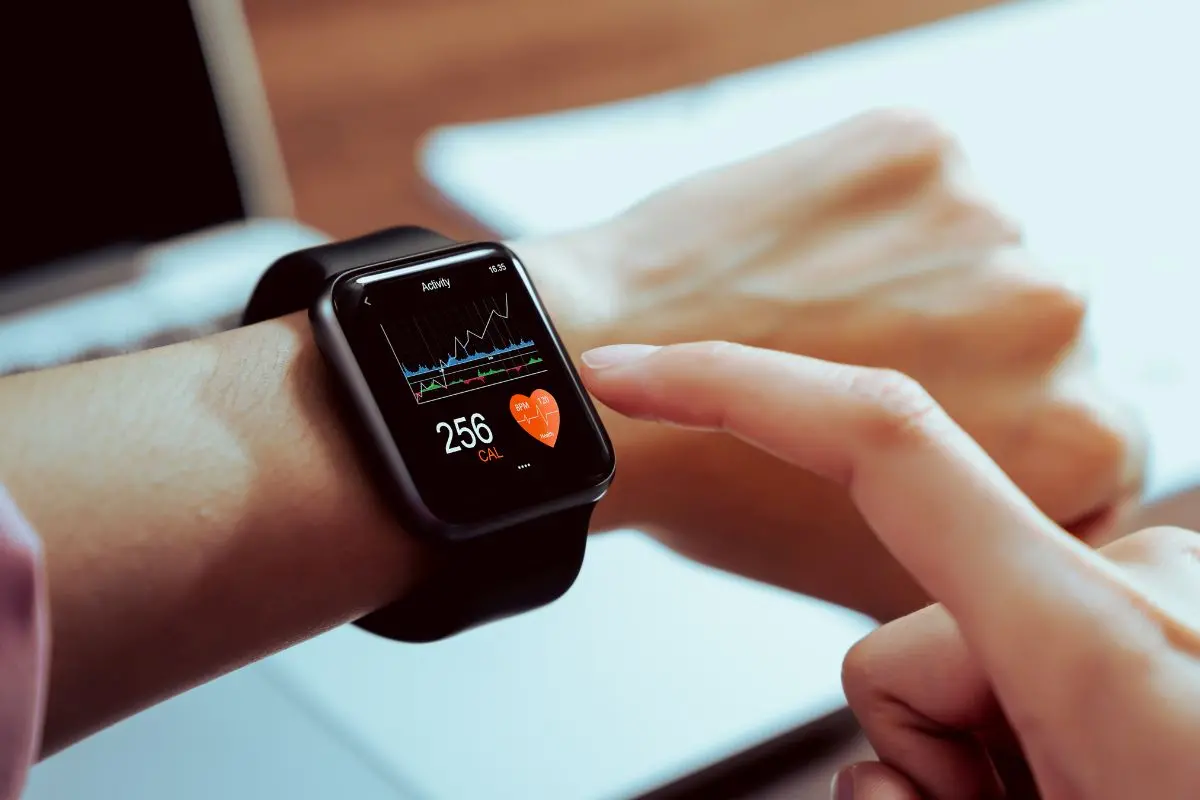
For much of the past decade, smartwatches have become synonymous with modern wellness. They count steps, monitor heart rates, analyse sleep, estimate stress levels and remind users to stand, breathe or exercise. For many, these wearable devices transformed health tracking from an occasional activity into a round-the-clock habit.
Yet a growing number of users are beginning to question whether they need to wear a smartwatch every day. While global demand for wearables remains strong, online discussions, consumer surveys and experts suggest some people are choosing to take them off, whether to escape constant notifications, reduce health anxiety or simply enjoy life without tracking every movement.
The shift does not necessarily signal the end of smartwatches. Instead, it reflects changing attitudes towards digital wellbeing and a growing debate over when health monitoring becomes too much.
From fitness companion to constant companion
The appeal of smartwatches has always been convenience. Devices from companies including Apple, Garmin, Samsung, Fitbit and Huawei can record workouts, monitor sleep patterns, detect irregular heart rhythms and, in some models, even alert emergency services after a serious fall.
Health professionals say these features have helped many people become more aware of their daily activity and encouraged healthier habits. Research has consistently shown that wearable activity trackers can increase physical activity, particularly among people trying to establish exercise routines.
During the COVID-19 pandemic, interest in health-monitoring devices accelerated as people became more conscious of their wellbeing and looked for ways to track fitness from home.
Why some users are switching them off
Despite the benefits, not everyone wants to remain connected to their health data around the clock.
Many smartwatch owners say they experience "notification fatigue", with constant alerts making it difficult to disconnect from work or social media. Others report becoming overly focused on daily metrics such as step counts, calories burned or sleep scores.
Psychologists say an excessive reliance on health data can contribute to anxiety in some individuals. Instead of reassuring users, continuous monitoring may encourage repeated checking or unnecessary worry about normal fluctuations in heart rate or sleep quality.
The phenomenon, sometimes referred to as "health data anxiety", has become increasingly common as wearable technology has become more sophisticated.
When tracking becomes stressful
Experts caution that wearable data should be viewed as estimates rather than medical diagnoses.
Consumer smartwatches continue to improve, but measurements such as sleep stages, stress scores and calorie expenditure are not always perfectly accurate. Interpreting these figures without medical context can sometimes lead users to draw incorrect conclusions about their health.
Sleep specialists have also identified a growing trend known as orthosomnia, an unhealthy obsession with achieving perfect sleep data generated by wearable devices. Instead of sleeping better, some users become increasingly anxious about their scores, creating a cycle in which the pursuit of ideal sleep actually undermines it.
Researchers say wearable devices are valuable tools when used appropriately, but they should complement, rather than replace, professional medical advice.
The rise of digital wellbeing
The move away from smartwatches also reflects broader efforts to reduce screen time and digital distractions.
Many users say removing their smartwatch helps create clearer boundaries between work and personal life. Without vibrations on the wrist, they feel less compelled to respond immediately to emails, messages or app notifications.
Digital wellbeing experts argue that taking regular breaks from connected devices can reduce cognitive overload and improve mindfulness. Some people now choose to wear their smartwatch only during workouts or while tracking specific health goals, rather than throughout the day.
This shift mirrors wider trends such as "digital detoxes", notification-free weekends and greater awareness of technology's impact on mental wellbeing.
Wearables are evolving, not disappearing
Industry analysts say reports of people abandoning smartwatches should be viewed in context.
The global wearable market continues to expand, although growth has slowed as the market matures. Many consumers are holding onto their devices for longer instead of upgrading every year, while others are opting for specialised wearables such as fitness bands, smart rings or medical-grade monitoring devices.
Manufacturers are also increasingly focusing on advanced health features, including sleep apnoea detection, ECG monitoring, temperature sensing and AI-powered health insights.
Experts say future wearable technology is likely to become less intrusive, offering meaningful health information without overwhelming users with constant alerts.
Health professionals say wearable technology can motivate healthier habits, but it is most effective when used as a guide rather than a scorecard.