Antimicrobial resistance: Why overuse of antibiotics is becoming a silent threat in India
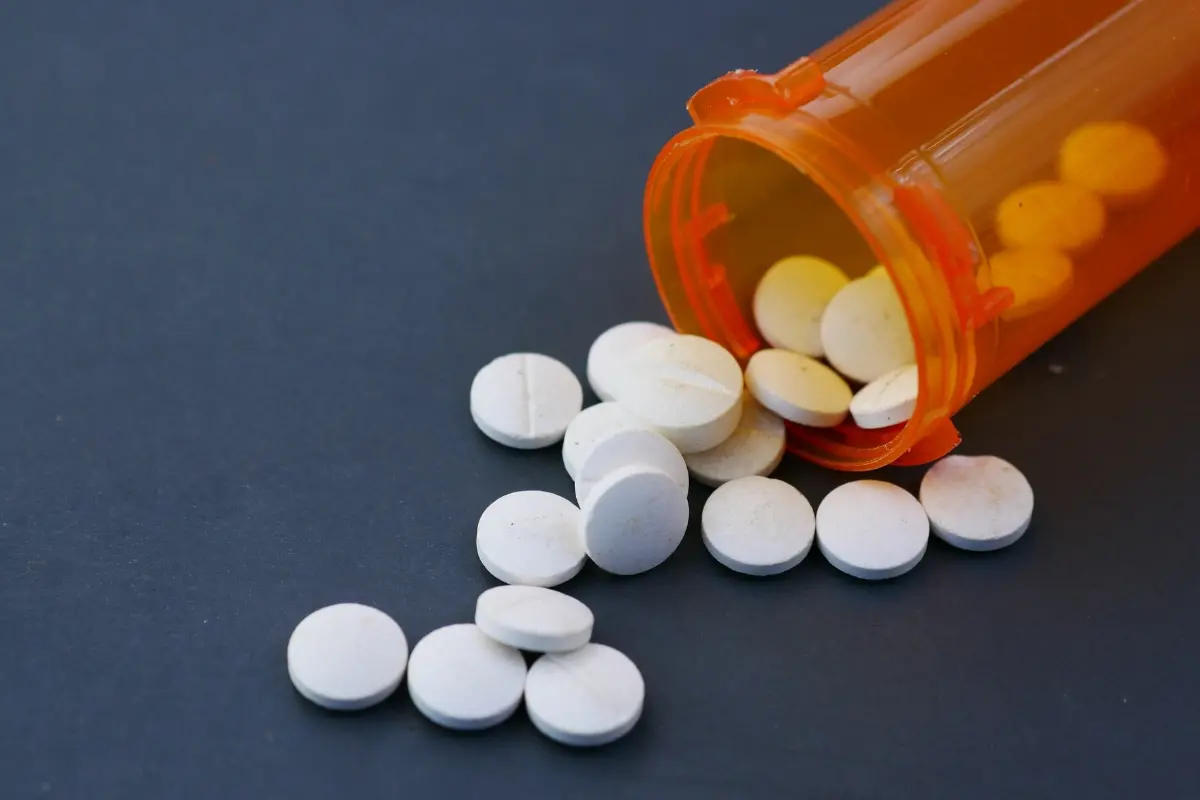
Antimicrobial resistance (AMR) has emerged as one of the most serious public health challenges facing the world today, threatening to undo decades of medical progress. Experts warn that common infections are becoming harder, and sometimes impossible, to treat because bacteria are learning to survive the very drugs designed to kill them.
Explaining the gravity of the situation, Dr Rajeev Jayadevan, convener of the Research Cell of the Kerala State IMA and chairman of the scientific committee of IMA Cochin, said antimicrobial resistance is no longer a future risk but a present global crisis.
“Antimicrobial resistance is a serious problem affecting the entire world. This is a situation in which antibiotics no longer work against dangerous bacteria,” he said.
According to Dr Jayadevan, the primary reason behind this growing resistance is the widespread misuse and overuse of antibiotics. He pointed out that in India, antibiotics are often treated like everyday consumer goods.
“The reason is the overuse of antibiotics. Especially in India, some individuals go directly to medical stores and buy antibiotics, just like they would buy fruits and vegetables. This is not acceptable in any developed country,”
he said.
He stressed that antibiotics should never be taken casually and must only be used after proper medical evaluation.
“Antibiotics should be dispensed only with a doctor’s prescription after evaluation of the patient,”
Dr Jayadevan said.
When people self-medicate, he warned, bacteria adapt and become stronger.
“If people start buying and consuming antibiotics on their own, the germs or bacteria will get resistant to them. The bacteria develop methods to fight the antibiotics. So the antibiotics no longer work,”
he explained.
To curb the crisis, Dr Jayadevan called for immediate and strict regulation of antibiotic use.
“To reduce this problem, the overuse of antibiotics has to be immediately stopped. One way to do it is to stop allowing the sale of antibiotics without a doctor’s prescription. This is the standard of care in all developed countries,” he added.
The concerns raised by Indian medical professionals echo warnings issued by the World Health Organisation (WHO). According to WHO, antimicrobial resistance is among the top global public health and development threats. Bacterial AMR was directly responsible for an estimated 1.27 million deaths worldwide in 2019 and contributed to nearly 5 million deaths overall.
WHO states that misuse and overuse of antimicrobials in humans, animals, and agriculture are the main drivers of drug-resistant pathogens. While AMR affects countries at all income levels, its impact is most severe in low- and middle-income nations, where weak regulation, poverty, and inequality worsen the problem.
The organisation warns that AMR puts many routine medical procedures at risk, making surgeries, caesarean sections, cancer chemotherapy, and organ transplants far more dangerous. In addition to its health impact, AMR carries a massive economic burden. The World Bank estimates that drug-resistant infections could add up to one trillion dollars in healthcare costs by 2050 and cause annual global GDP losses ranging from one to 3.4 trillion dollars by 2030.
WHO has emphasised that tackling antimicrobial resistance requires preventing infections in the first place, ensuring access to accurate diagnosis and appropriate treatment, strengthening surveillance of antibiotic use and resistance, and investing in research for new vaccines, diagnostics, and medicines.