Antimicrobial Resistance: The silent pandemic threatening millions
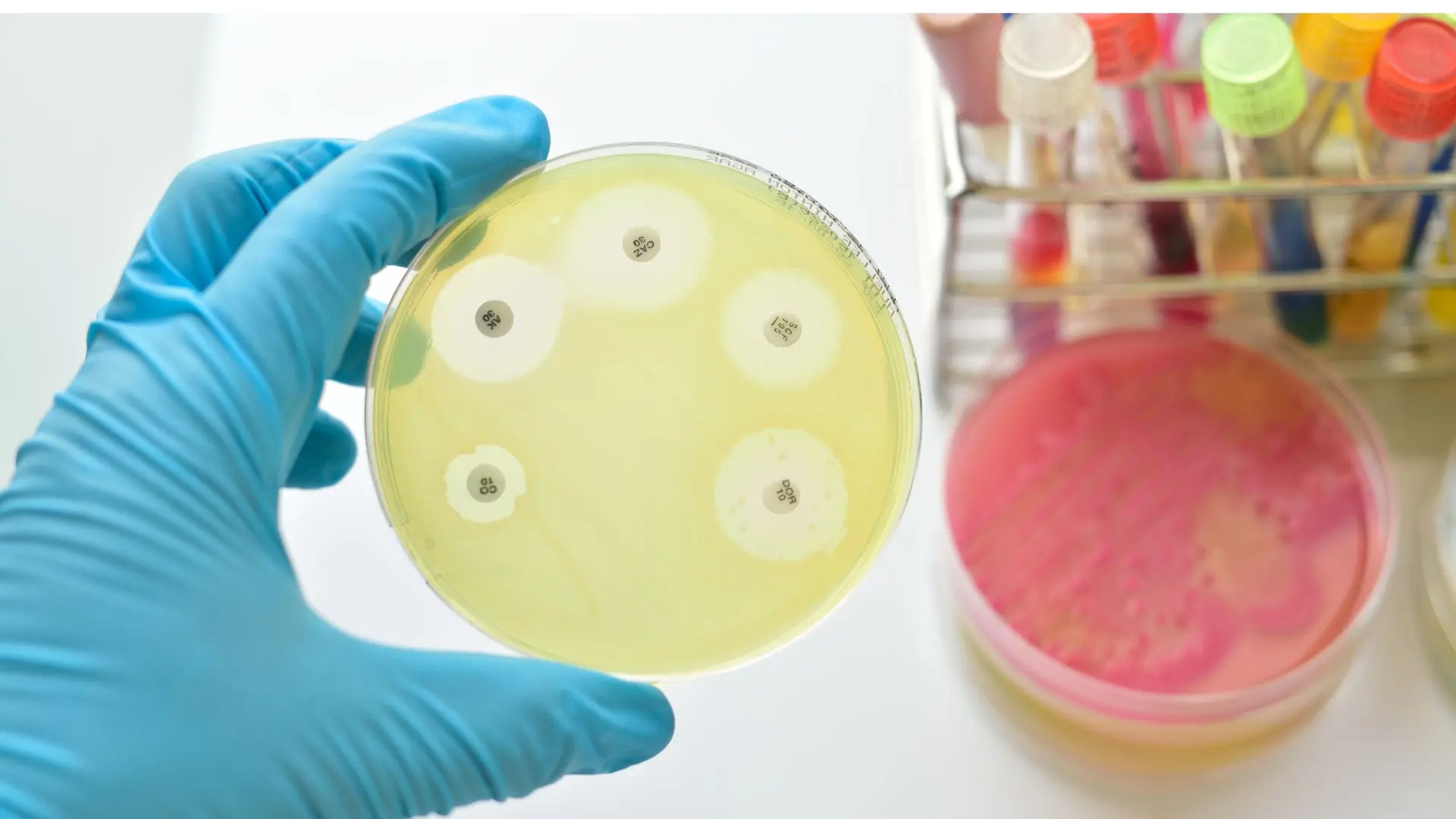
In 1928, Alexander Fleming’s discovery of the first antibiotic, penicillin, revolutionized medicine, leading to the development of antibiotics that could effectively treat bacterial infections, which were previously often fatal. Over the years, antibiotics have saved millions of lives by treating a wide range of infections. However, the widespread use of antibiotics has led to the rise of antimicrobial resistance.
Antimicrobials, including antibiotics, antivirals, and antifungals are substances that kill or inhibit microorganisms like bacteria, viruses, and fungi respectively. Resistance is the ability of a microorganism to withstand the action of an antimicrobial, allowing it to survive and continue causing infection.
In other words, the antimicrobials no longer work, leading to prolonged illness, higher medical costs, and, in severe cases, loss of life. AMR now poses a global health and economic crisis, causing over 10 lakh deaths annually, with potential to claim 1 crore lives by 2050 if unchecked.
The primary causes of AMR are the misuse and overuse of antibiotics and other antimicrobial medicines. For example, many people take antibiotics for viral infections like the flu or a common cold, even though antibiotics are ineffective against viruses. Others may not complete their prescribed course of antibiotics, giving bacteria a chance to survive and adapt.
The widespread use of antibiotics to promote growth in livestock further accelerates the problem, allowing resistant germs to spread through food, water, and the environment.The issue of AMR is not just confined to hospitals, it is present in our local ecosystems too.
For instance, research conducted in the Kumbalath Kayal of Ashtamudi Lake by Dr. Soshina Nathan and her team at Fatima Mata National College, Kollam, revealed the presence of bacteria resistant to ampicillin, a widely used antibiotic. This discovery underscores how human activity, including improper antibiotic usage and pollution, contributes to thespread of resistant bacteria in the environment.
While the government and healthcare systems are taking steps to address AMR, individuals can also make a difference.
- Always take antibiotics only when prescribed by a doctor and complete the full course even if you feel better.
- Avoid self-medication and demanding antibiotics for viral illnesses.
- Practice good hygiene, such as regular handwashing, and staying up to date with vaccinations.This could help prevent infections and reduce the need for antibiotics.
- Furthermore, reducing pollution through improved water and waste management systems, can slow the spread of resistant bacteria.
Even though AMR Awareness Week (November 18-24) has come to a close, it is crucial to remember that the effort to combat AMR must continue. Let us remember that fighting AMR is a shared responsibility that begins with each one of us.
-Dr Soshina Nathan is an Assistant Professor of Zoology at Fatima Mata National College (Autonomous), Kollam