Frogs at the door? Here’s how to keep them out this monsoon
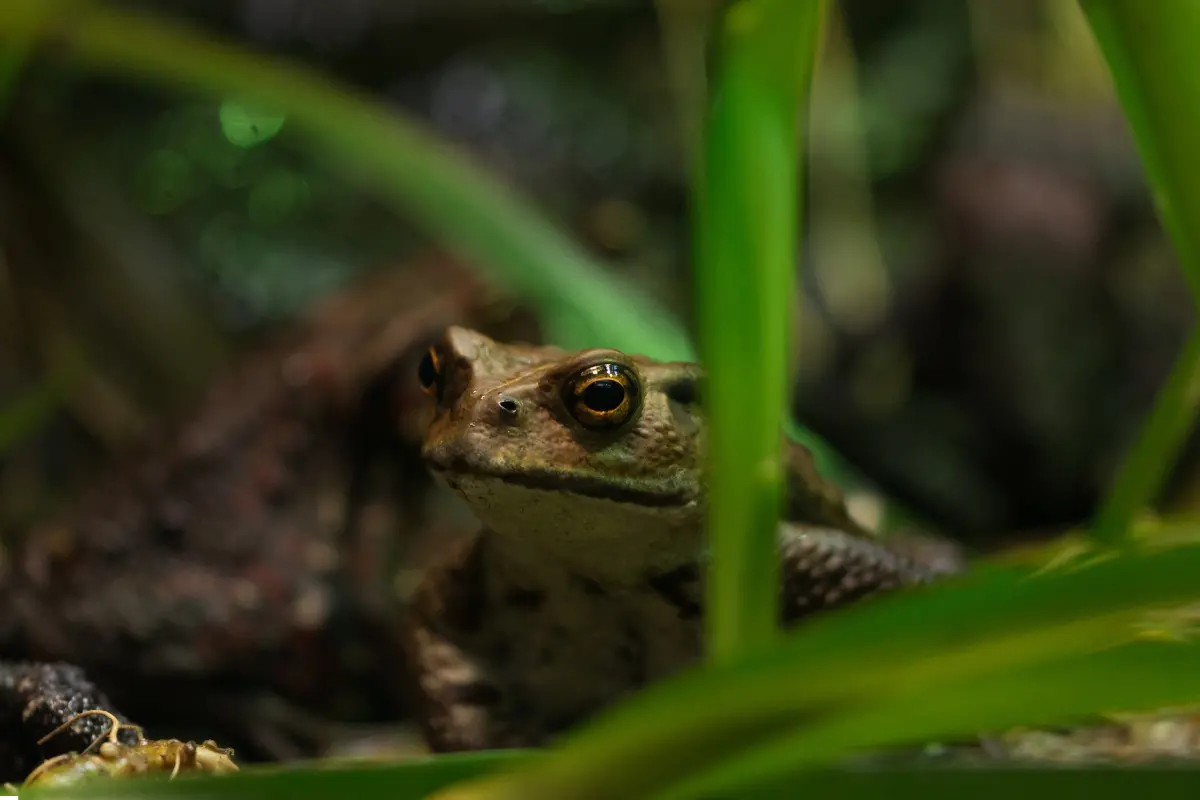
With the arrival of the monsoon, nature flourishes—but not every visitor is welcome indoors. Frogs, especially bush and leaf frogs, are frequent guests during this season. While harmless, their persistent presence can become bothersome.
Most of these frogs enter homes when their natural hiding spots get flooded or disturbed by heavy rainfall. Slightly damp and sheltered areas—like corners near porches or entryways—are ideal places for them to hide.
They're also drawn to light sources, as outdoor lights attract insects, which frogs feed on. Unfortunately, this chain may also invite snakes, which prey on frogs—making it essential to stay alert.
Frogs can leap through narrow openings, including door gaps, open windows, and even bathroom drains. Homes with indoor plants or high humidity can appear inviting to them.
Why do frogs enter homes during the monsoon?
Most frogs seen indoors during monsoon season are small, harmless species like bush frogs or leaf frogs. When their natural habitats are flooded or disturbed by heavy rain, they seek safer, drier places—often ending up in homes.
Frogs are especially attracted to slightly damp corners near entrances or porches. These spaces offer both shelter and a sense of safety.
Another reason they show up? Insects. Outdoor lights attract bugs, and frogs follow their food source. Unfortunately, this chain can also attract snakes, which prey on frogs—adding another layer of concern for homeowners.
Frogs can squeeze through small openings, including gaps beneath doors, window cracks, and even bathroom drains. Homes with indoor plants and moist environments tend to be more attractive to them.
Practical tips to keep frogs out
Seal gaps and cracks: Ensure all windows and doors are tightly shut. Use sealants and door sweeps to block any open spaces frogs might use.
Turn off outdoor lights: Insects love light; frogs follow the insects. Turning off lights when not in use helps reduce both.
Keep entrance areas dry: Frogs avoid dry spaces. Prevent water pooling near doors or steps.
Trim surrounding plants: Remove or cut back bushes and shrubs near entry points to reduce hiding spots.
Respectfully remove intruders: If a frog enters, use a piece of cardboard and a container to guide it out. Release it in a moist, safe area outside.
Frogs are part of the natural rhythm of the monsoon—but your home doesn’t have to be part of their journey. A few simple changes can help you enjoy the rains without unexpected amphibian visitors. And remember: a little kindness goes a long way when dealing with creatures just trying to stay dry.