Why do we fear Friday the 13th? Unraveling myths, stories and beliefs
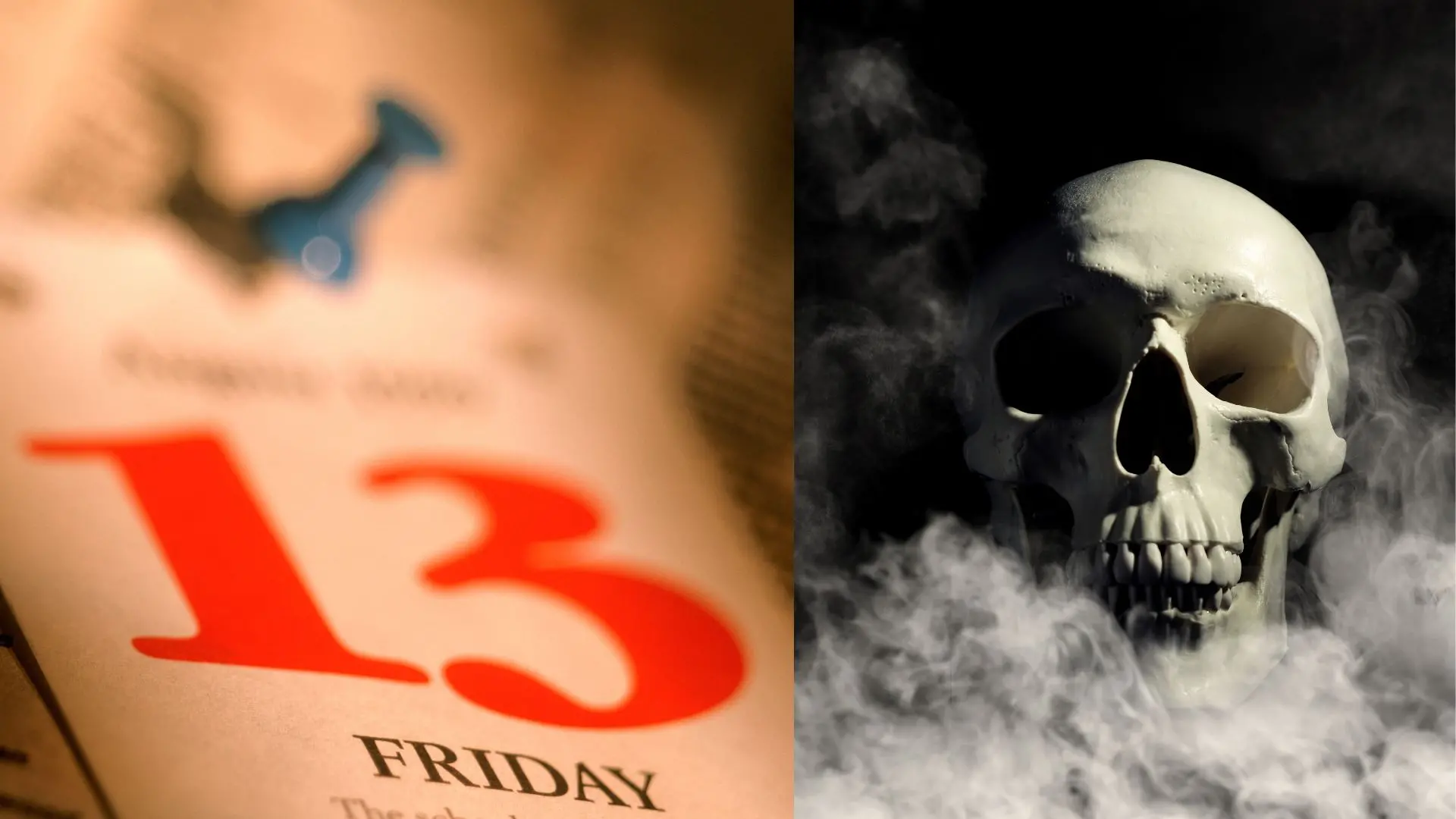
Friday the 13th has long been considered the unluckiest day of the year, sparking fear and curiosity in many people. This superstition links the number 13, which has been seen as unlucky for centuries, with Friday, a day already associated with misfortune in some cultures. From horror films to urban legends, this day has been a symbol of bad luck for many, but is it all just a myth, or is there something deeper to this mysterious date?
In 2024, there are two Fridays that fall on the 13th: September 13 and December 13. A Friday the 13th occurs when the 1st day of a month starts on a Sunday, creating a unique and interesting pattern in the calendar.
Paraskevidekatriaphobia is the fear of Friday the 13th. People with this phobia feel anxious or scared on this day because of the superstition that it brings bad luck. The word comes from Greek, where paraskeví means Friday, dekatreís means thirteen, and phobia means fear.
A little history behind the superstition
The fear of Friday the 13th dates back hundreds of years, with roots in both ancient mythology and religious stories. According to reports, the number 13 was considered unlucky in many cultures, and when it was paired with Friday, the day was already linked to misfortune.
According to Charles Panati’s 'Extraordinary Origins of Everyday Things', Norse mythology played a big role in the superstition. In this myth, the trickster god Loki, the 13th guest at a banquet in Valhalla, caused chaos that led to disaster. The superstition spread across Europe, mixing with Biblical stories like the Last Supper, where Judas, the 13th guest, betrayed Jesus on a Friday, the day of his crucifixion.
But... Why do people think Friday the 13th is unlucky?
There are many myths and legends as per various reports that explain why this date is feared by so many. Here are 13 reasons why Friday the 13th is thought to bring bad luck:
13 and Friday together: The combination of the number 13, seen as disorderly, and Friday, known for misfortune, makes this day feel especially unlucky.
The Last Supper: In Christian tradition, Judas, who betrayed Jesus, was the 13th guest at the Last Supper, and Jesus was crucified on a Friday.
Crucifixion of Jesus: Jesus’ crucifixion, which took place on a Friday, adds to the negative associations with the day.
The Knights Templar: On Friday, October 13, 1307, King Philip IV of France arrested and tortured the Knights Templar, further linking this date to bad luck.
Norse mythology: In Norse mythology, Loki, the mischievous god, was the 13th guest at a feast, causing chaos and plunging the world into darkness.
Tarot cards: The "Death" card in a tarot deck is often linked to Friday the 13th, adding to the fear.
Historical events: Fridays were historically linked to negative events like the fall of Adam and Eve, Abel’s murder, and the flooding of Noah’s Ark.
19th-century superstition: The belief in Friday the 13th as an unlucky day was popularised in the 19th century and cemented by stories like Thomas W. Lawson’s novel 'Friday, the Thirteenth'.
Books and movies: The 'Friday the 13th' movie series and Dan Brown's 'The Da Vinci Code' have further fueled the modern fear surrounding this day.
Egyptian mythology: The ancient Egyptians saw the number 13 as unlucky because it symbolised the transition into life after death.
Catholic tradition: In old Catholic tradition, every Friday was considered a day of penance, adding to the day’s negative reputation.
French folklore: In ancient French stories, people born on Friday the 13th were said to be cursed with misfortune, strengthening the superstition.
Different superstitions worldwide: While Friday the 13th is unlucky in Western cultures, other countries, like Italy, consider Friday the 17th unlucky, and in Spanish-speaking countries, it's Tuesday the 13th.
A deeper, positive side of Friday the 13th
While Friday the 13th is often feared, there's more to the date than just bad luck. Historically, this day is also linked to feminine power, creativity, and transformation.
Friday is named after Venus, the goddess of love, beauty, and fertility. The number 13 represents the 13 lunar cycles in a year, symbolising the natural rhythms of life. Together, these two elements align to celebrate the Divine Feminine, honouring intuition, spiritual energy, and empowerment.