What is anti-inflammatory diet that Samantha Ruth Prabhu follows?
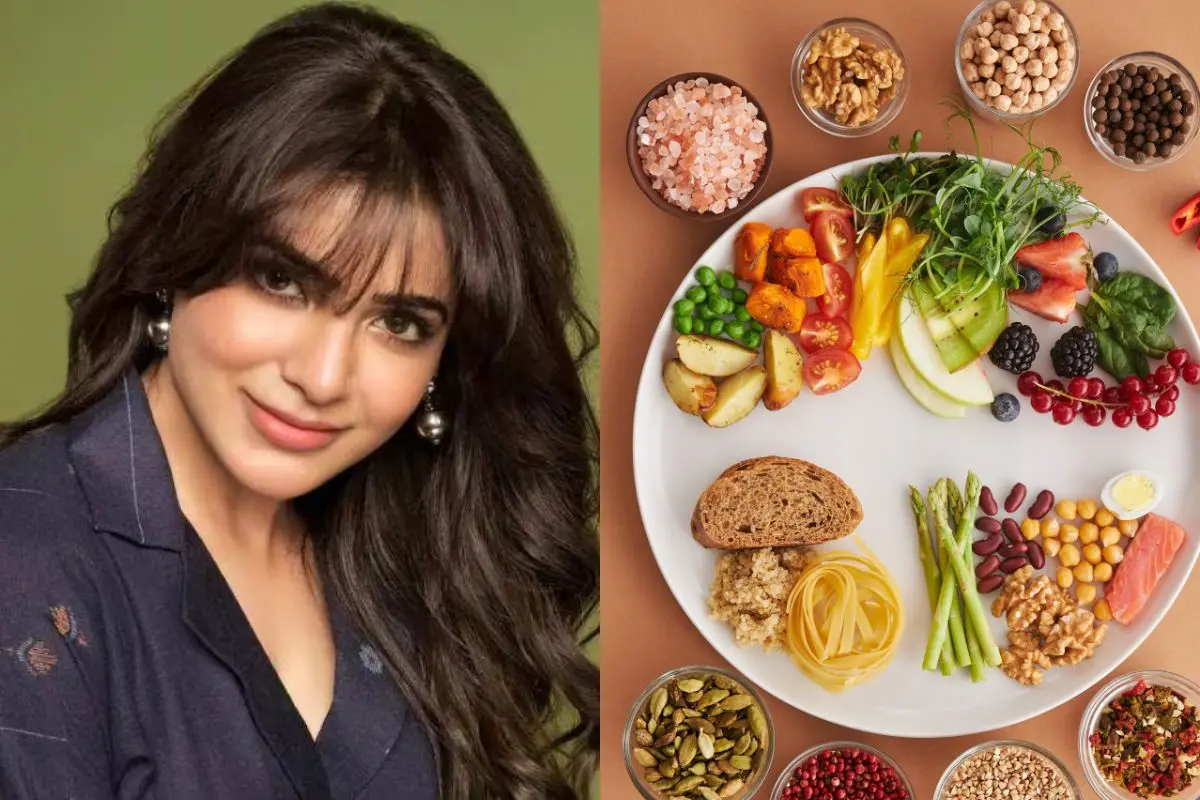
When she’s not acting, Samantha Ruth Prabhu is either working out or focusing on what she eats, and according to her, both go hand in hand. While many know her dedication to fitness, the actor recently opened up about how following an anti-inflammatory diet has become just as important to her health as daily exercise.
Samantha shared that during her younger years, she could eat pretty much anything and never gain weight. But over time, she realised that staying healthy isn’t only about the number on the scale.
She learned about inflammation and how it can show up in the body in unexpected ways, not just as weight gain. That’s when she shifted to a stricter eating plan focused on reducing inflammation.
Her daily meals are now carefully chosen to avoid ingredients that trigger inflammation. She prefers consistency and said she eats the same foods every day, without indulging in cheat meals.
What exactly is an anti-inflammatory diet?
An anti-inflammatory diet is based on eating whole, unprocessed, and nutrient-rich foods that are known to calm inflammation in the body.
Experts say that long-term inflammation can be caused by factors like stress, pollution, or even hidden infections and it’s linked to conditions such as diabetes, heart disease, and autoimmune issues.
To manage this, the diet avoids food like
- Red and processed meats
- White bread and pasta
- Deep-fried snacks
- Sugary treats
Instead, it focuses on ingredients that are naturally rich in antioxidants, healthy fats, and vitamins.
What foods are part of Samantha’s meals?
Samantha includes a wide range of vegetables in her diet. She enjoys cauliflower, Brussels sprouts, and broccoli, though she’s not fond of spinach or kale. She also eats acai berries, adds turmeric and ghee, and uses cold-pressed oils and celery in her meals.
These choices fit well within the anti-inflammatory framework, as many of these foods are known for their healing properties and high nutritional value.
What other foods are considered anti-inflammatory?
According to nutrition experts, some of the top anti-inflammatory foods include:
- Leafy greens like kale and cabbage
- Bell peppers, Brussels sprouts, and cauliflower
- Fruits such as blueberries, pomegranates, grapes, and cherries
- Spices like turmeric, cinnamon, and fenugreek
- Avocados, olives, and nuts
- Fatty fish like salmon and sardines
- Dark chocolate (yes, in moderation!)
- Green tea and even a little red wine
What are the benefits of eating this way?
Following an anti-inflammatory diet can do a lot more than just improve how you feel day to day. Some known benefits include:
- Reducing symptoms of arthritis and other autoimmune conditions
- Supporting weight control
- Lowering the risk of heart problems, diabetes, and even cancer
- Improving cholesterol, blood sugar, and triglyceride levels
- Boosting energy and general wellbeing
So, is this diet worth trying?
If you’re looking for a way to eat that supports long-term health, not just weight loss, the anti-inflammatory diet is definitely worth considering.
(Before making any significant changes to your diet, it is advisable to consult a qualified medical professional or certified nutritionist. Individual health conditions and nutritional needs may vary, and expert guidance can help ensure that dietary adjustments are safe and appropriate.)