Is ube the new matcha?
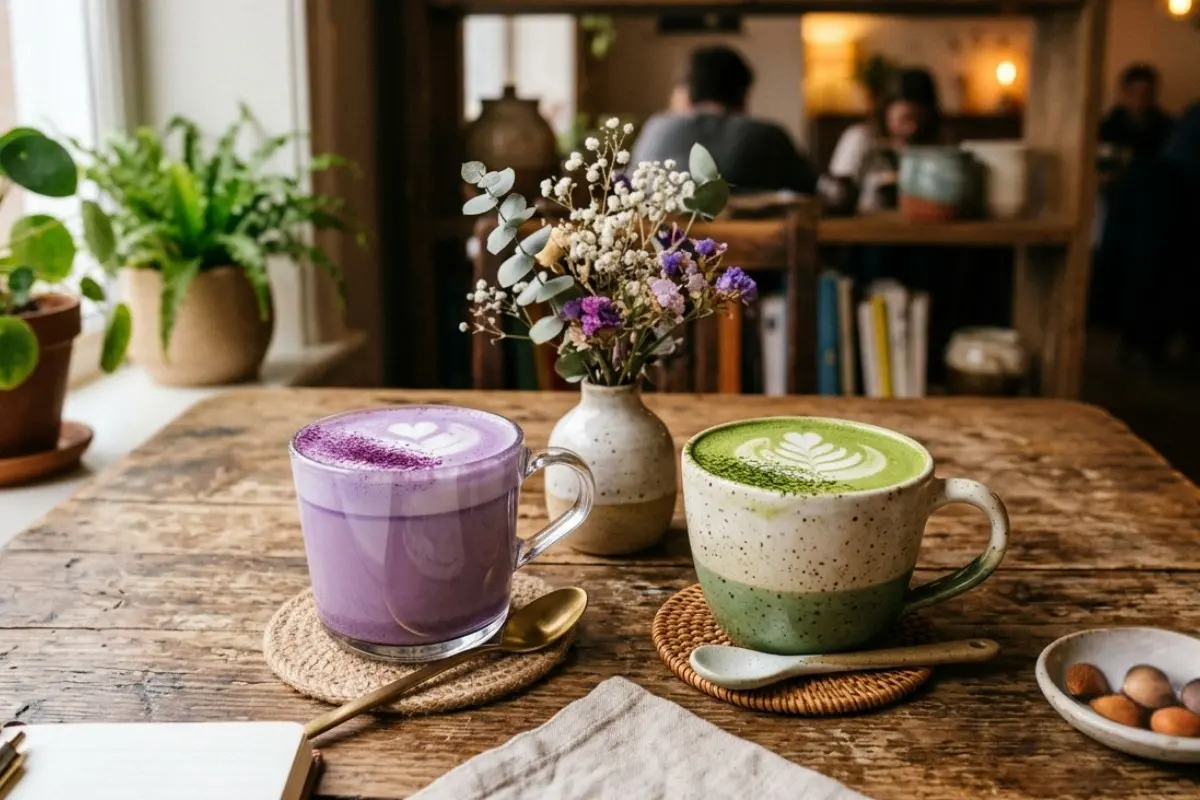
For a while, it seemed that every café menu had something green on it. Matcha lattes, iced matcha with strawberry, matcha cold foam and even matcha desserts became familiar sights. Now, another colour is beginning to catch the eye. A striking purple drink called the ube latte is finding its way into cafés, social media feeds and conversations about the next big food trend.
Ube is not entirely new, though. The purple ingredient has been part of Filipino cooking for generations. What has changed is the way it is being served, with cafés turning it into colourful drinks and desserts.
In India, too, interest is growing. Google search data reported in 2026 showed that searches for ube in the country reached an all-time high in August, with queries for ube lattes and cafés also gaining attention.
What is ube?
Pronounced oo-beh, ube is a purple yam native to the Philippines. It is often mistaken for purple sweet potato, but the two are different root vegetables. Ube has a naturally vivid purple flesh and a flavour that is mildly sweet, nutty and sometimes compared to vanilla.
Also Read: 5 sleepy-time sips to pour before bed
In Filipino kitchens, it is commonly used in desserts. One of the best-known preparations is ube halaya, a thick, sweet yam jam made with ingredients such as milk and sugar. It also features in cakes, ice creams, pastries and other traditional treats.
The latte is a more recent way of enjoying the ingredient. Ube powder or paste is mixed with a little hot water or milk to form a smooth base, which is then topped with steamed or cold milk. Some versions include coconut milk, vanilla or sweeteners. Others add a shot of espresso, creating a drink that combines the earthy flavour of coffee with ube's gentle sweetness.
Why is everyone talking about the purple latte?
The colour is an obvious part of the appeal. Ube gives drinks a naturally purple shade that stands out among the usual coffees and teas. It is the sort of drink that catches attention on a café counter and looks equally striking in a photograph.
But its appeal is not only visual. Unlike matcha, which has a distinct grassy and slightly bitter taste, ube is milder and sweeter. That makes it an approachable option for people who enjoy dessert-like drinks but find matcha's flavour a little too strong.
Also Read: This warm ginger and cinnamon hot chocolate could be your new period ritual
Its popularity also reflects a wider interest in trying flavours from different food cultures. Cafés are experimenting with ube in lattes, milk teas, cold drinks and desserts. International chains have begun adding ube-based options to their menus, while independent cafés are finding their own ways to use the ingredient.
Is ube healthier than matcha?
Ube is a root vegetable, not a tea, and its nutritional value is different from that of matcha. Its purple colour comes from anthocyanins, plant pigments that have antioxidant properties. As a whole food, ube also provides carbohydrates, fibre and some vitamins and minerals.
However, the health value of an ube latte depends on how it is prepared. A drink made with ube, unsweetened milk and little added sugar is quite different from one made with sweetened powder, flavoured syrup, condensed milk and whipped cream. The latter may be closer to a dessert than an everyday wellness drink.
There is another difference worth keeping in mind: ube is naturally caffeine-free. A plain ube latte does not provide the caffeine boost associated with matcha. Add espresso, however, and that changes. Matcha contains caffeine and also provides L-theanine, an amino acid that is often discussed in connection with attention and alertness.
Can ube replace matcha?
That depends on what you want from your drink. If you enjoy matcha for its caffeine content, distinctive flavour and familiar morning ritual, ube may not be a direct replacement. But if you are looking for something naturally caffeine-free, mildly sweet and different from the usual coffee order, it is worth trying.
Also Read: 7 antioxidant-rich herbs you can grow at home
In fact, the two need not compete. Ube and matcha are already appearing together in some café experiments, combining the purple yam's sweetness with the flavour of green tea.
Ube seems less like the drink that will push matcha off the menu and more like an interesting addition to an expanding café culture.