From sweet to spicy: India’s ultimate summer drink collection
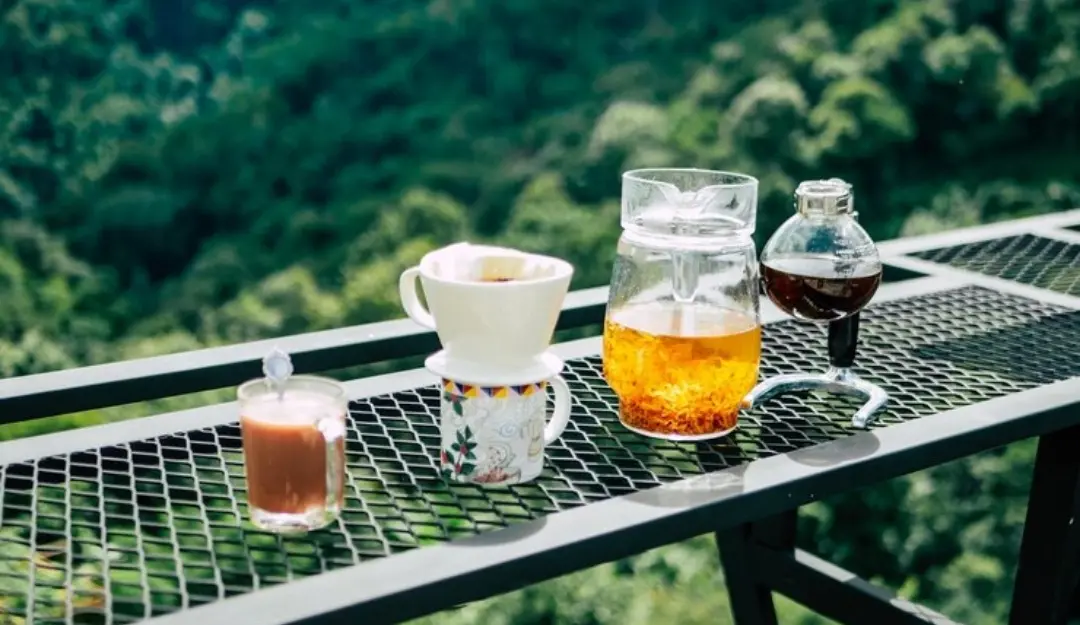
India’s summer drinks are as diverse as the country itself. Each region brings its own unique flavours, ingredients, and cultural influences to the table. These coolers are not just a respite from the scorching heat but also a reflection of the history, geography, and traditions of the place. Here’s a look at some of India’s most iconic summer drinks and their cultural significance:
Babri Beol (Jammu & Kashmir)
Originating from Jammu and Kashmir, Babri Beol is made from basil seeds, milk, and coconut. This drink, known for its delicate flavour and cooling properties, is deeply rooted in local customs. The basil seeds are thought to be a gift from Mughal emperor Babur, making it a drink steeped in both history and culture. Babri Beol not only provides respite during the hot months but is also considered beneficial for digestion due to the cooling effect of basil seeds.
Sol Kadi (Maharashtra)
Sol Kadi, a refreshing drink made from coconut milk and kokum syrup, is especially popular in the Konkan region of Maharashtra. This unique blend of coconut and kokum provides a perfect balance of sweet, sour, and spicy flavours. It’s often consumed after spicy meals, aiding in digestion and offering relief from the heat. Sol Kadi’s use of kokum is a cultural signature of Maharashtra’s coastal cuisine, highlighting the region's emphasis on fresh, locally-sourced ingredients with health benefits.
Gondhoraj Ghol (West Bengal)
This variant of buttermilk, infused with the distinctive Gondhoraj lemon, is a staple in West Bengal. The drink is celebrated for its aromatic, tangy flavour that refreshes the body while providing health benefits, including cooling properties and aiding digestion. Gondhoraj Ghol reflects Bengal’s love for fragrant and flavourful ingredients, as well as its commitment to simple yet effective health remedies rooted in traditional knowledge.
Chuak (Tripura, Northeast India)
A traditional rice beer from Tripura, Chuak is made by fermenting rice and is typically brewed by elders for festivals or special occasions. It offers a robust and distinct taste, different from the commercial beers available in the market. Chuak is culturally significant as it brings people together in communal celebrations and reflects Northeast India’s rich tradition of locally-brewed, fermented beverages.
Tikhur Sherbat (Chhattisgarh)
This drink is made from the rhizome of East Indian Arrowroot, known as Tikhur, and is often consumed during the hot summer months for its cooling effects. Tikhur Sherbat is a part of Chhattisgarh’s agricultural traditions, where the local produce plays a central role in shaping food and drink customs. This drink is not only beneficial for cooling the body but also contributes to bone health, highlighting the region’s emphasis on natural, health-boosting ingredients.
Nongu Sherbat (Tamil Nadu)
Known for its refreshing properties, Nongu Sherbat is made from the ice apple of the palmyra tree, a natural cooling agent. Popular across Tamil Nadu and other parts of South India, this drink is often enjoyed with a splash of sugar, lime, or rose water. Nongu Sherbat is not only a drink that provides instant relief during the hot months but also ties into the cultural significance of the palmyra tree, which is a valuable part of the region’s agricultural landscape.
Cultural food difference
Each of these drinks is deeply connected to the local culture and agricultural practices, with ingredients unique to specific regions. Whether it’s the coconut-based Sol Kadi in Maharashtra or the fermented Chuak in Northeast India, these summer drinks highlight the diverse food traditions across India. They also reflect the country’s emphasis on natural, locally-sourced ingredients and their role in maintaining health, especially during the sweltering summer months.
These traditional drinks are a beautiful representation of India’s rich cultural tapestry, offering not just a refreshing escape from the heat but also an opportunity to connect with the country’s culinary heritage.