From durian to stinky tofu: 10 smelly foods that are considered delicacies around the world
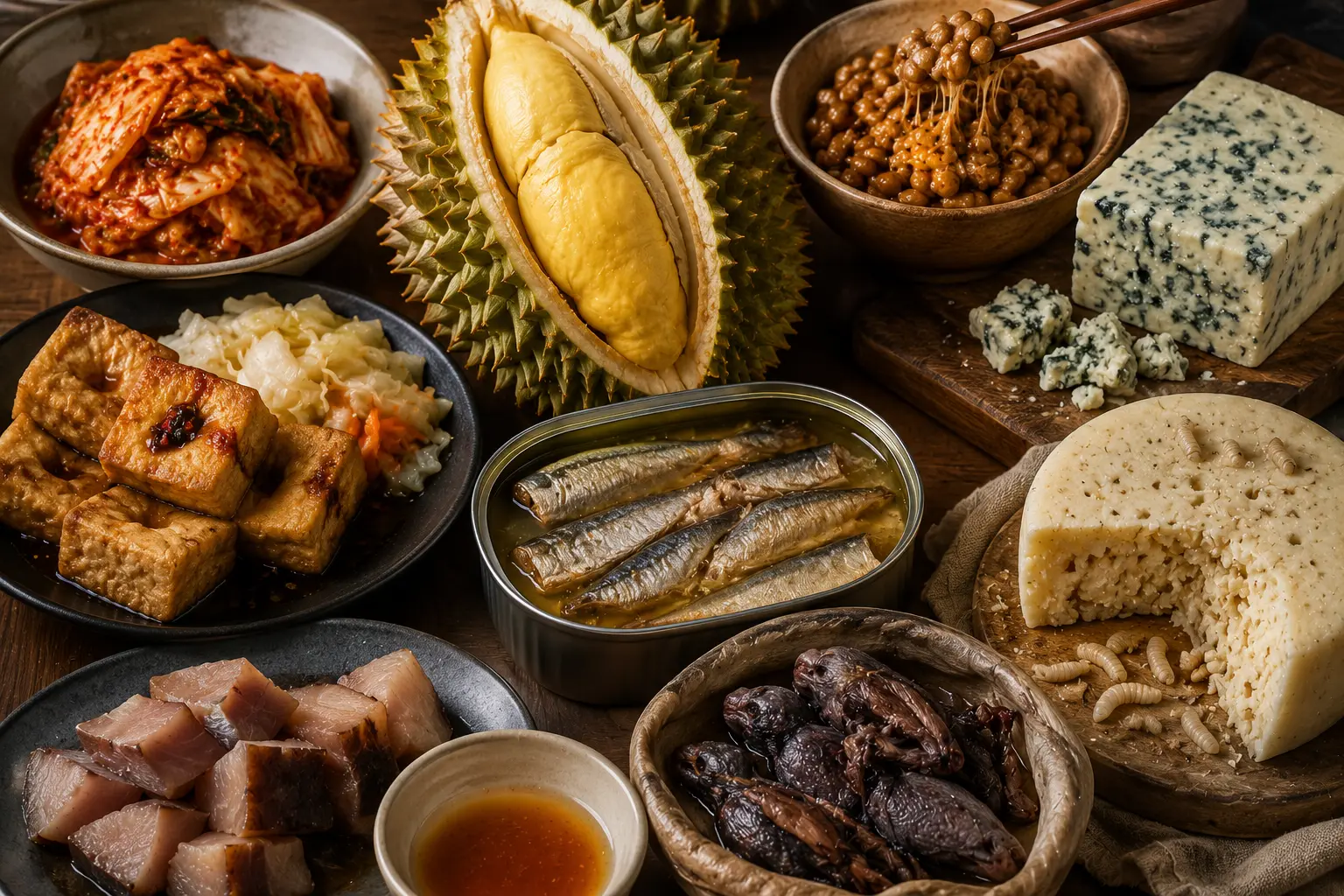
A powerful smell is often enough to make some people wrinkle their noses and walk away. Yet for millions around the world, these same aromas are a sign that something delicious is about to be served.
From fermented fish in Scandinavia to pungent tofu sold at bustling night markets in Taiwan, some of the world's most distinctive foods have earned a reputation for their unforgettable scents. While first-time diners may find them intimidating, many of these dishes are treasured cultural staples that have been enjoyed for generations.
Food scientists say there is a good reason why these intensely aromatic foods continue to win devoted fans. Fermentation, ageing and curing create compounds responsible for their strong odours, but those same processes also develop deep, layered flavours that are difficult to replicate any other way.
Here are some of the world's best-known foods whose smell may divide opinion, but whose taste has stood the test of time.
Durian
Known across Southeast Asia as the "King of Fruits", durian is famous for its spiky shell and notoriously strong aroma. Depending on who you ask, it smells like a combination of onions, garlic, sulphur and sweet caramel.
Its scent is so overpowering that many hotels, airports and public transport systems in countries such as Thailand, Singapore and Malaysia prohibit passengers from carrying it indoors.
Despite that, durian remains one of the region's most sought-after seasonal treats. Fans prize its creamy, custard-like flesh, which offers a rich blend of sweet and nutty flavours.
Surströmming
Few foods have generated as much curiosity as surströmming, a traditional Swedish dish made from fermented Baltic herring.
The fish continues fermenting inside the can, releasing an intense smell as soon as it is opened. While that aroma has made it a viral internet challenge, Swedes have been eating it for centuries.
Traditionally, it is paired with flatbread, boiled potatoes, onions and sour cream, creating a meal that locals consider an important part of the country's culinary heritage.
Blue cheese
Blue cheese owes its unmistakable aroma to carefully cultivated edible moulds introduced during the ageing process.
Rather than being a flaw, the mould creates the creamy texture and bold, savoury flavour that make varieties such as Roquefort, Gorgonzola and Stilton favourites on cheese boards and in gourmet cooking.
Its earthy smell may not appeal to everyone, but it remains one of the world's most celebrated cheeses.
Kimchi
Kimchi has become one of South Korea's most recognisable culinary exports.
Made by fermenting vegetables, usually napa cabbage, with garlic, chilli, ginger and fish sauce, it develops a tangy, spicy aroma that intensifies over time.
Served alongside countless Korean meals, kimchi is valued not only for its bold flavour but also because fermentation produces beneficial bacteria that support gut health.
Natto
For many visitors to Japan, natto can be one of the most challenging foods to try.
Prepared by fermenting soybeans, it is known for its sticky texture, stringy appearance and earthy smell. Yet in many Japanese homes, natto is a breakfast favourite, commonly served over steamed rice with soy sauce and mustard.
Its nutritional profile, including high protein content and beneficial bacteria, has helped it remain a staple despite its divisive aroma.
Stinky tofu
Its name leaves little to the imagination.
Stinky tofu is fermented in a specially prepared brine before being deep-fried, grilled or steamed. The fermentation produces a pungent smell that often surprises first-time visitors.
Beneath the aroma, however, lies soft, silky tofu with a crisp outer layer, making it one of Taiwan's most popular street food snacks.
Hákarl
Hákarl is a traditional Icelandic dish made from Greenland shark that is cured and air-dried for several months.
The preservation process produces a powerful ammonia-like smell that has earned the dish international notoriety. For Icelanders, however, it represents centuries of culinary tradition and is often served in small cubes during festivals and celebrations, sometimes alongside a traditional local spirit.
Casu Marzu
Among the world's most unusual cheeses is Casu Marzu, a Sardinian speciality made from sheep's milk.
The cheese contains live insect larvae that help break down its texture, creating an exceptionally soft and creamy consistency. Although its sale is restricted under food safety regulations, it continues to be prepared and enjoyed by some families as part of long-standing local traditions.
Fish sauce
Fish sauce rarely appears on restaurant menus, but it forms the backbone of countless dishes across Southeast Asia.
Made by fermenting fish with salt, the amber-coloured liquid develops a strong smell in the bottle. Once added to food, however, it delivers a rich savoury depth that enhances everything from stir-fries to soups and dipping sauces.
Kiviak
Kiviak is one of Greenland's oldest traditional foods and is closely associated with Inuit culture.
The preparation involves placing hundreds of small seabirds, known as little auks, inside a seal skin before sealing it with fat and allowing it to ferment for several months.
Consumed during the Arctic winter, particularly at birthdays, weddings and other celebrations, Kiviak is regarded as an important cultural delicacy despite its intense aroma.
Why do these foods smell so strong?
Most pungent foods have one thing in common: fermentation, curing, ageing or mould-ripening.
During these natural processes, bacteria, yeasts and other microorganisms break down proteins, fats and sugars into compounds such as sulphur molecules, organic acids and esters. These compounds create powerful aromas while simultaneously producing the complex flavours that define many traditional dishes.
Scientists also note that smell and taste work closely together. Much of what people perceive as flavour actually comes from aroma, which explains why foods with the strongest smells often deliver some of the richest and most memorable eating experiences.
For many cultures, these foods are far more than acquired tastes. They are symbols of history, regional identity and generations of culinary craftsmanship, proof that sometimes the boldest aromas hide the most rewarding flavours.