Ramadan Iftar drinks: Traditional sips that help restore energy after fasting
Ramadan is the holy month in Islam that commemorates the revelation of the Qur’an. It follows the ninth month of the 354-day lunar Islamic calendar, which begins and ends with the sighting of the new moon.
During Ramadan, Muslims fast for around 11 to 16 hours daily, typically for 29 to 30 days, focusing on prayer, charity and spiritual reflection. The month concludes with the festival of Eid-al-Fitr, celebrated after the new moon is sighted.
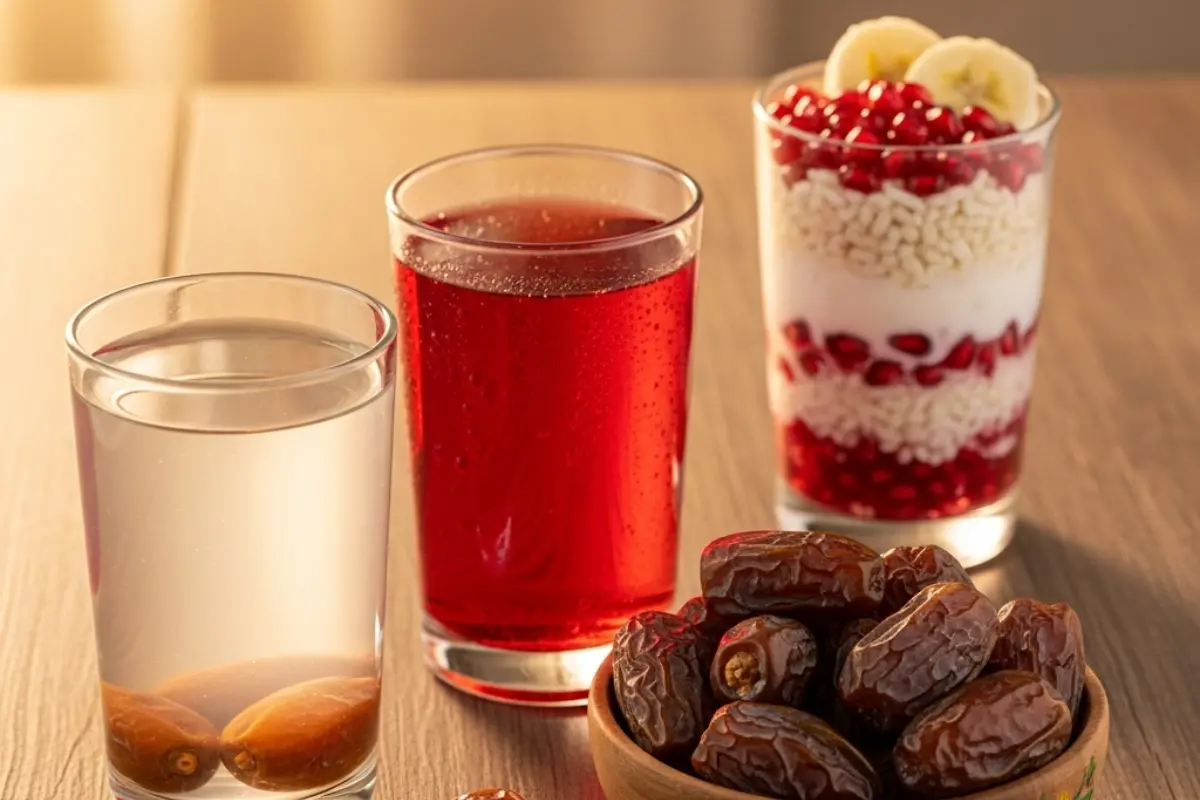
At sunset, known as Maghrib time, fasting is traditionally broken by consuming dates and water, which provide quick natural energy. Along with these, several culturally popular drinks are widely enjoyed during Iftar across regions.
Nabeez is a traditional drink prepared by soaking dates or raisins in water overnight. It is associated with early Islamic culture and is valued for its natural hydration and nutritional benefits after long fasting hours.
Mohabbat ka Sharbat, commonly made using rose syrup such as Rooh Afza, milk and chopped fruits like watermelon, is a refreshing and hydrating Iftar drink widely consumed in South Asia.
Avil Milk is a popular South Indian beverage made by combining rice flakes with milk, fruits and sweet toppings. It is especially common in parts of Kerala.
Thari Kanji is a traditional porridge-style dish prepared using semolina, coconut milk, sugar and cardamom. It is particularly popular in northern Kerala during Ramadan.
Across the world, Muslims also enjoy natural fruit-based drinks such as watermelon, muskmelon and grape juices to stay hydrated after fasting. These nourishing beverages help restore energy while keeping Iftar meals balanced and refreshing.