From reels to revenue: How viral food trends are reshaping Indian menus
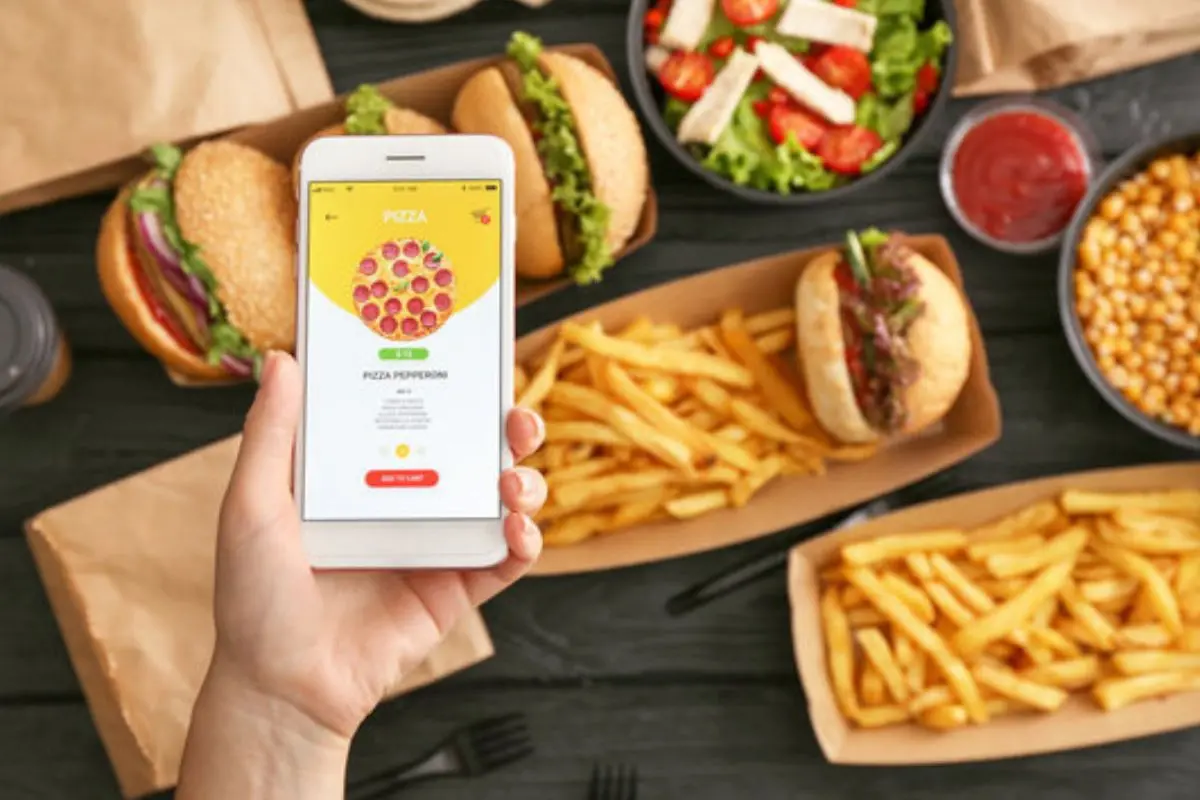
As Instagram Reels and TikTok continue to shape consumer behaviour, Indian restaurants are quietly reworking their menu strategy — treating viral food trends not as fleeting fads, but as a measurable growth lever.
Across metros, chefs and restaurant founders say dishes that trend online are now directly influencing footfall, online discovery, and even average order value. From matcha lattes and Korean buns to novelty desserts shaped like animals, viral foods are increasingly being used as entry points to attract new customers.
“It’s no longer about whether a dish is authentic or traditional,” says a Delhi-based restaurateur who runs multiple café formats. “The first question now is: will this stop someone from scrolling?”
Industry insiders say the shift accelerated post-pandemic, when food discovery moved decisively online. Short-form video platforms became the primary space where diners encountered new dishes, flavours, and formats. Restaurants that were quick to respond began seeing immediate returns.
At several mid-sized chains, internal data reportedly shows that limited-time viral offerings generate higher app searches and more first-time orders than permanent menu items. “People come looking specifically for the trending dish they saw online,” says a senior executive at a national QSR brand. “Once they’re in, they explore the rest of the menu.”
The operational challenge, however, is speed. Viral trends peak fast — often within weeks — leaving restaurants little time to experiment. Chefs say recreating a dish based on a video is rarely straightforward. Most viral clips show only the result, forcing kitchens to rely on trial-and-error to crack texture, flavour, and presentation.
Smaller, independent restaurants tend to move faster. With fewer approvals needed, they can test and launch within days. Larger chains, on the other hand, face logistical hurdles — from sourcing ingredients at scale to ensuring consistency across cities. Still, the pressure to keep up is mounting.
“Earlier, product development cycles ran for months, even a year,” says a food industry consultant who works with national brands. “Now, if a concept takes longer than six months, it risks becoming irrelevant.”
Beyond novelty, restaurants are also using viral dishes as a gateway to introduce unfamiliar cuisines. Japanese-style sandwiches, Korean sauces, and matcha-based drinks have found a wider audience through social media-driven curiosity. According to operators, customers who arrive for a viral item are more likely to experiment with other dishes.
Not every attempt succeeds. Some trends attract online ridicule before winning over diners — and occasionally, controversy itself drives interest. “Attention, whether positive or negative, still brings people in,” says a Mumbai-based café owner.
As competition intensifies and customer attention spans shrink, restaurateurs agree on one thing: ignoring viral food trends is no longer an option. In today’s market, visibility can matter as much as taste — and sometimes, more.