Global food prices rise again: Will groceries get costlier in 2026?
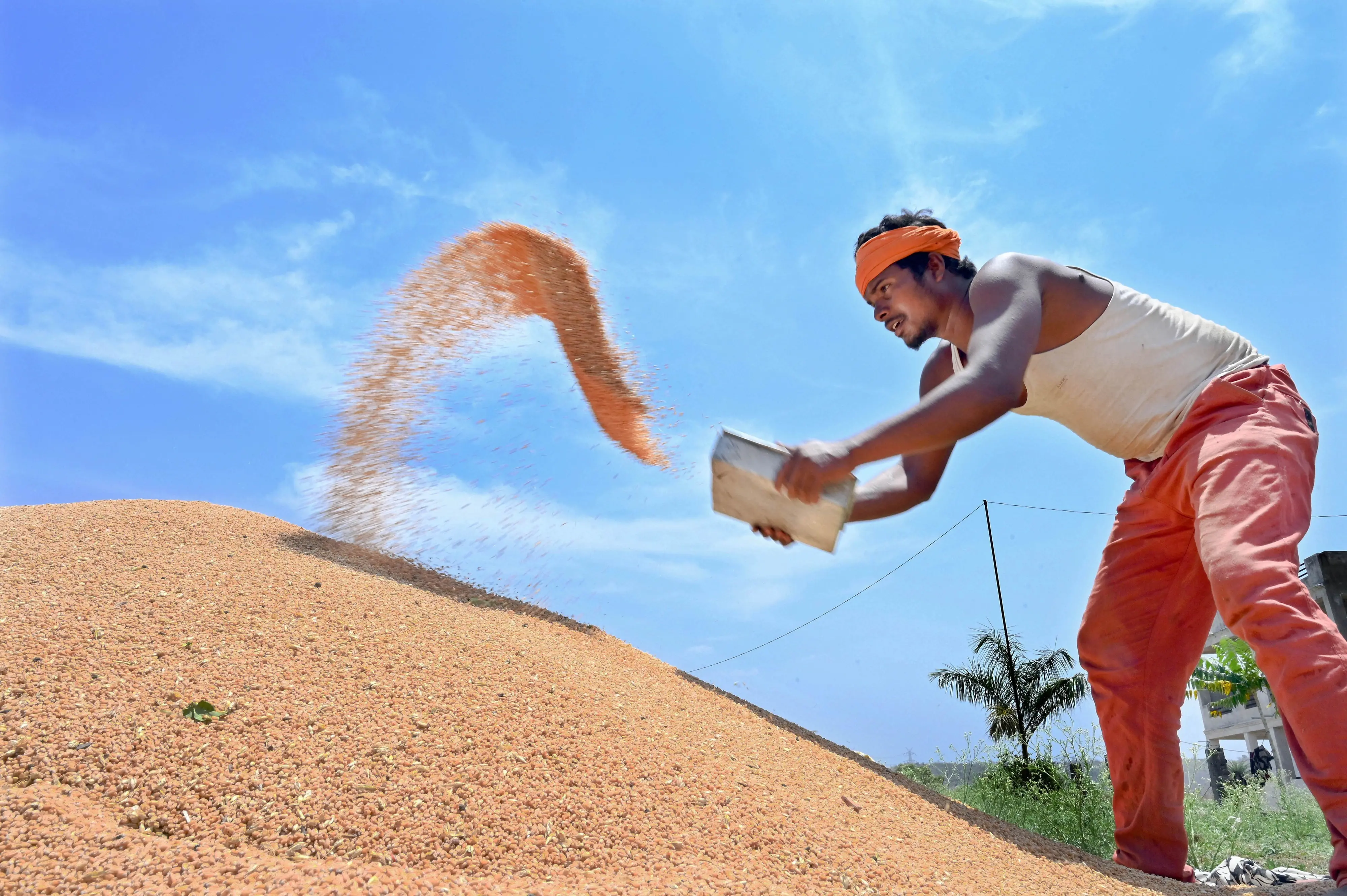
Global food prices are climbing once more, and the big question now is: will food become more expensive in the coming months?
According to the Food and Agriculture Organisation (FAO), international food commodity prices increased in March for the second consecutive month, signalling potential pressure on household grocery bills worldwide.
Food Price Index trends: What’s happening now?
The FAO Food Price Index, a key global benchmark tracking essential commodities, averaged 128.5 points in March. That marks a 2.4% increase from February and a 1% rise compared to last year.
While the increase may seem moderate, the underlying drivers point to deeper concerns, especially tied to rising energy costs linked to geopolitical tensions in West Asia.
Why are food prices increasing?
The latest surge is largely being driven by:
- Higher crude oil prices, which raise transportation and production costs
- Increased biofuel demand, pushing up vegetable oil prices
- Growing concerns about fertilizer affordability, impacting future crop decisions
FAO Chief Economist Maximo Torero warned that if the current conflict continues beyond 40 days, the real impact may be felt later, not immediately.
Farmers could reduce input use, plant less, or shift to lower-cost crops, decisions that may reduce yields and tighten food supply in the months ahead.
Key commodities driving the change
- Wheat prices rising
Wheat prices jumped 4.3%, driven by:
Drought concerns in the United States
Expected lower planting in Australia due to high fertilizer costs
- Maize (Corn) stable but supported
Prices edged up slightly
Strong global supply balanced rising demand from ethanol production
- Rice prices falling
Dropped 3%, due to:
Ongoing harvests
Weak global demand
Currency fluctuations against the US dollar
- Vegetable oil surges
Up 5.1% month-on-month and 13.2% year-on-year
Driven by:
Rising crude oil prices
Increased demand for biofuels
- Meat prices mixed
Overall up 1%, led by:
Strong demand for pig meat in Europe
Limited cattle supply in Brazil
Poultry and sheep meat prices declined due to logistical challenges
- Dairy & sugar also up
Dairy rose 1.2%
Sugar surged 7.2%, mainly because:
Brazil may divert sugarcane to ethanol production instead of sugar exports
What this means for food prices in 2026
Right now, global food price increases are relatively controlled, due to strong cereal supplies. However, the outlook is uncertain.
FAO estimates global wheat production at 820 million tonnes, which is 1.7% lower than last year, a potential early sign of tightening supply.
The big question: Will food prices increase further?
The answer depends on three key factors:
Energy Prices – Continued oil price hikes could push food costs higher
Farmer Decisions – Reduced fertiliser use may lower future crop yields
Geopolitical Stability – Prolonged conflict could disrupt supply chains.
With IANS inputs