Buying gold on Akshaya Tritiya? Here’s simple ways to spot fake jewellery
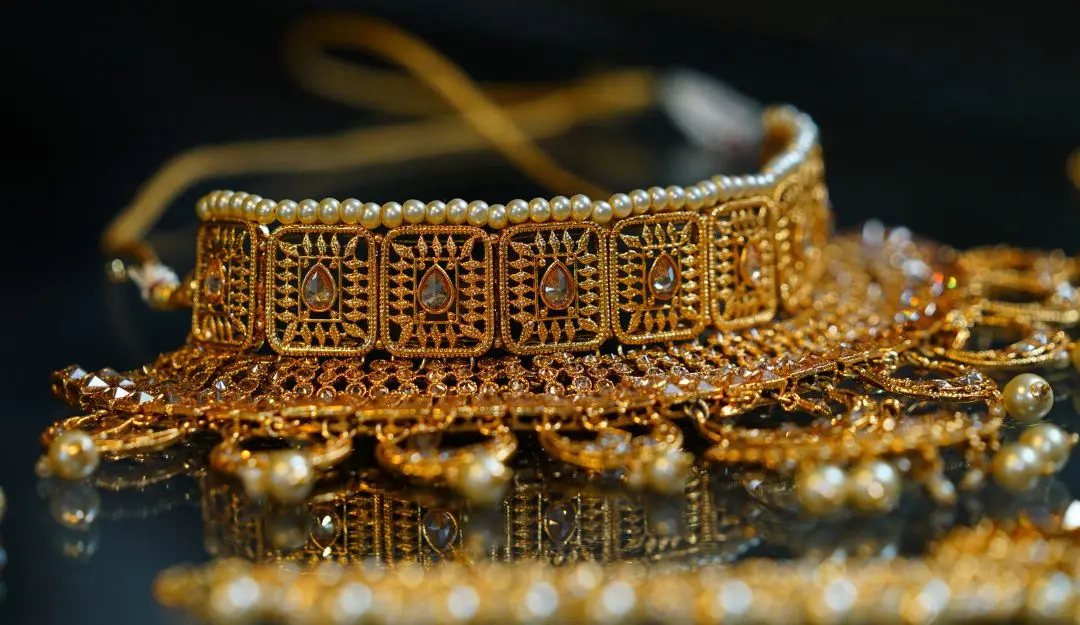
Akshaya Tritiya, also known as Akha Teej, is a highly auspicious festival celebrated on the third day of the bright half of the Vaishakh month. This year, the festival falls on Wednesday, April 30th.
As per Hindu belief, this day is dedicated to the worship of Goddess Lakshmi, the deity of wealth and prosperity. It's considered especially lucky to buy gold on this day, as it's believed to invite good fortune.
However, this festive demand often leads to a spike in counterfeit or impure gold sales. As you head to the market, it's important to know how to check whether the gold you're buying is real or fake.
Look for the BIS hallmark
The Bureau of Indian Standards (BIS) hallmark certifies the purity of gold. A BIS hallmark typically includes:
The purity level in karats, like 22K916 (which means 91.6% pure gold)
The BIS logo
The jeweller’s identification mark
Check the HUID number
Each hallmarked gold item carries a Hallmark Unique Identification (HUID) number. This is a six-digit alphanumeric code that verifies the item’s authenticity.
You can check this number through the BIS Care App to see the item's purity, registration, and the name of the hallmarking centre.
Use the BIS Care app
Download the BIS Care app from your app store. Enter the HUID number to confirm the jewellery’s hallmark status and details. This is the safest way to make sure that the product you’re buying is certified and not tampered with.
Understand karat levels
Gold is measured in karats (K), and common variants include:
24K – 99.9% pure, usually for coins and bars
22K – 91.6% pure, ideal for jewelry
18K or 14K – lower purity, but more durable for daily wear
Try the magnet test
Real gold is non-magnetic. If the item is attracted to a magnet, it may be mixed with other metals or be fake.
Ask for a bill
Always ask for a detailed bill that includes the weight, purity (in karats), making charges, and hallmarking details. A proper invoice is useful for insurance and resale.