There is a reason why India bought 26 Rafale-M fighters not 25 or 27
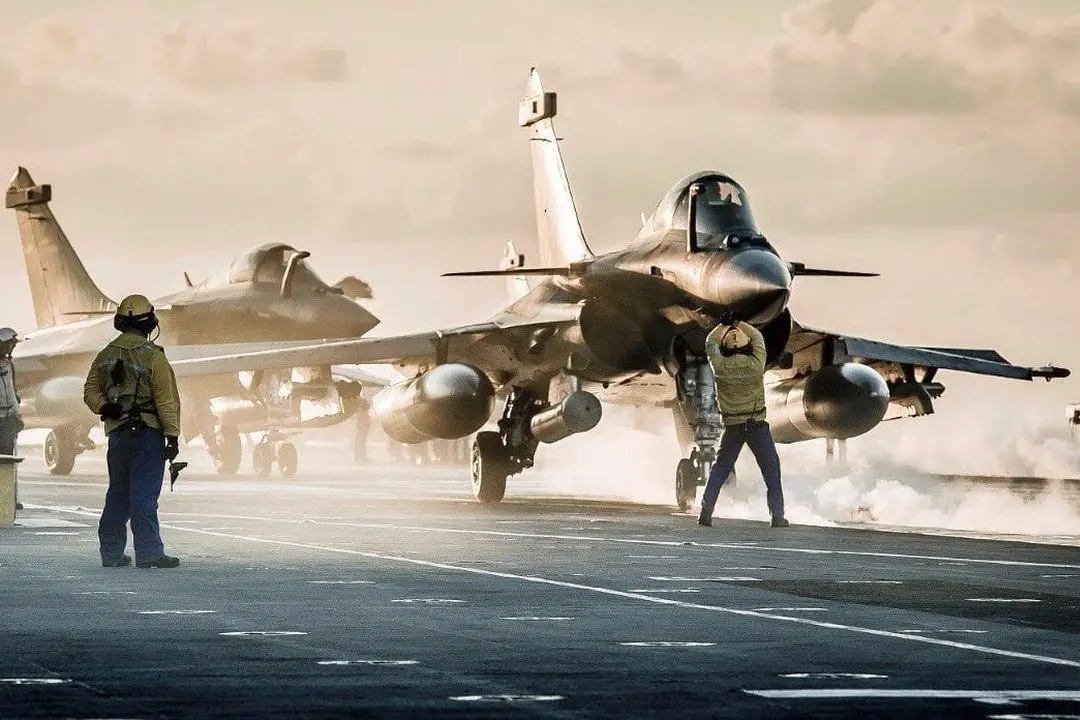
India's decision to spend Rs 63,000 crore on 26 Rafale-M fighter jets has got everyone talking. Why exactly 26 and not 25? Let's break it down in simple terms.
The Indian Navy needed new jets because the old MiG-29K planes, bought between 2004 and 2010, are giving trouble. These MiGs, around 40 left now after losing five, have serviceability issues—sometimes only 15% to 47% of them are ready to fly, as per a 2016 report. So, India went for the Rafale-M, a naval version of the French Rafale jet, to modernize its air power for the sea.
The Rafale-M jet is a big upgrade—better avionics, stronger weapons, and it works well with the 36 Rafale jets the Air Force already has. It is not just about replacing old planes; it is about making our Navy stronger, especially for our two big carriers, INS Vikrant and INS Vikramaditya. Plus, it is a smart move to deepen ties with France, who also sold us submarines.
Now, why 26?
The answer lies with INS Vikrant, our home-built carrier launched in 2022. This ship can carry up to 26 fighter jets, and the Navy wants to use every bit of that space. The order has 22 single-seater Rafale-M jets for fighting and 4 twin-seater ones for training pilots—total 26. If they picked 25, one spot on Vikrant would stay empty, and that wouldn't make sense for a carrier built to hold exactly 26 fighters. There's no big explanation in the news about why not 25 or 27, but it looks like 26 just fits the carrier's design perfectly.
The latest deal came after PM Narendra Modi's trip to France in February 2025, where talks with the French government sealed it. The cost, Rs 63,000 crore, sounds huge, but it is for a jet that will fly from our carriers by May 2028, as per recent reports.
Refale-M packs a punch
The Rafale-M is special -- it's made for sea battles, with radar and missiles that can hit far and hard. For years, the MiG-29K has been the backbone of our carriers, but it’s old tech now. With Rafale-M, the Navy gets a fresh start, and since the Air Force already uses Rafale, repairs and spare parts will be easier to handle.
INS Vikramaditya can take 30 MiG-29K jets, but right now, the focus is on Vikrant. The MiGs will stay on Vikramaditya for some time, maybe till 2040, when we plan to replace them fully. Till then, Rafale-M is the bridge to keep our sea defense strong until our own Twin Engine Deck-Based Fighter (TEDBF) comes around 2035-38.
The Rafale jet comes in a few variants -- mainly three big ones: Rafale B (two-seater for land), Rafale C (single-seater for land), and Rafale-M (for sea). The land-based ones, B and C, are used by the Air Force, like the 36 India already has.
Rafale-M, the marine version, is built for carriers -- it has got a stronger landing gear, a hook to catch arrestor wires, and can handle salty sea air better. The big difference is that land ones don't need these sea features, while Rafale-M is tougher for carrier take-offs and landings.
Inside, they are about 80-85% similar -- same engines, radar, and weapons -- but the marine one is tweaked for Navy life. This similarity helps India, as pilots and mechanics can switch between them easily, saving time and money.
What's interesting is those 4 twin-seater trainers in the 26 aircraft. Not many talk about it, but training pilots for carrier landings is tough, and these extra seats help new pilots learn safely. It is a small detail, but it shows the Navy is thinking ahead.
Reports say the deal was finalized by April 2025, after long talks with France, who even slashed prices to make it happen. This isn't just about jets; it’s about India showing it’s serious about its Navy, especially with China flexing its muscles in the Indian Ocean. For now, the MiG-29K will keep flying, but Rafale-M is the future, and 26 is the magic number to make it work on Vikrant.
So, Rs 63,000 crore for 26 jets is not just a big buy, it is a plan to keep our carriers fighting fit, with no space wasted.
The author a defence, aerospace & political analyst based in Bengaluru.