Should alcohol be treated like drugs? India’s policy divide raises tough questions
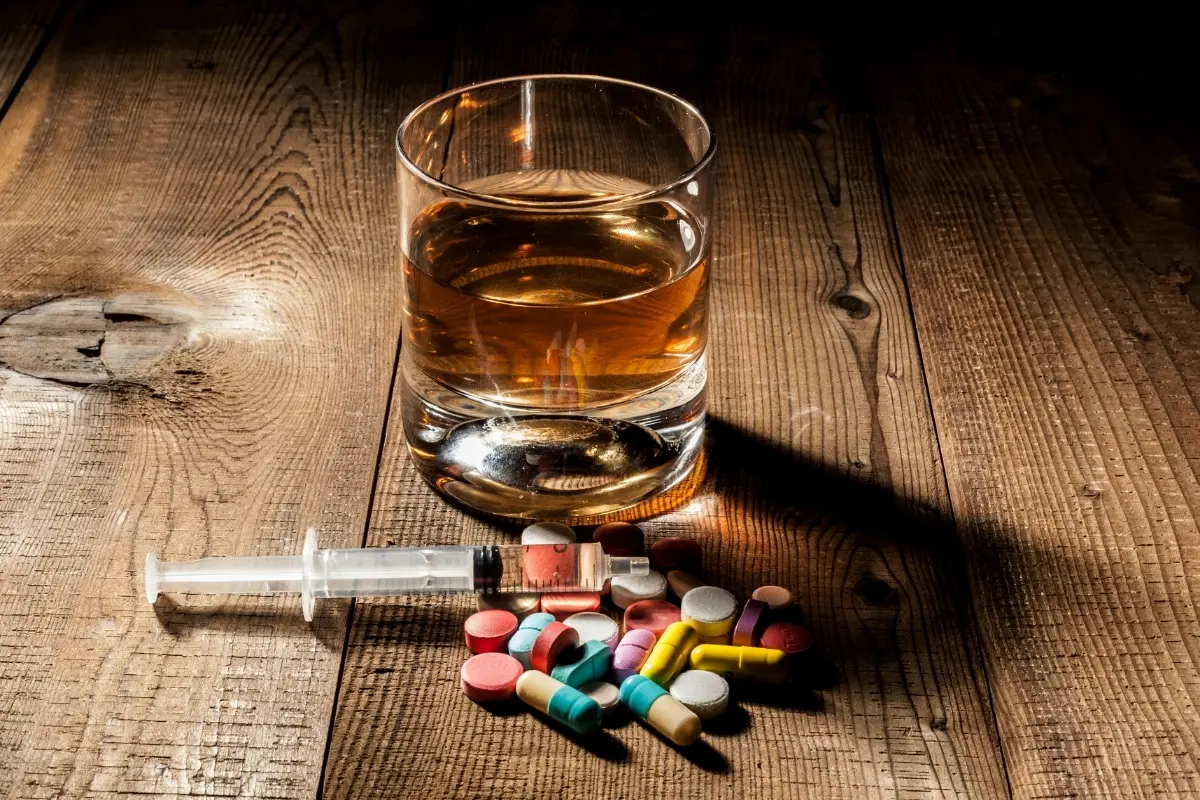
Drugs and alcohol are frequently clubbed together in medical, legal, and social contexts because alcohol is legally and scientifically classified as a psychoactive drug. While alcohol has a distinct cultural and legal status, health groups and laws treat them as a single category for substance use, policy, and health risks. Alcohol changes how the brain and body work, fitting the exact biological definition of a drug. Programs and rehab centers treat "drug and alcohol abuse" as one combined issue because the patterns of addiction are the same. Driving laws and workplace policies treat alcohol the same way they treat illegal or prescription drugs.
Alcohol or alcoholic beverages contain ethanol, a psychoactive and toxic substance that can cause dependence. Alcohol, like other drugs, has a powerful effect on the brain, producing pleasurable feelings and blunting negative feelings.
Alcohol is a drug that has a depressant effect on the body and can negatively affect thoughts, feelings and actions. It can cause agitation, lack of motivation, large changes in mood, and increased stress and anxiety. Over time, alcohol can contribute to the development of, or worsen existing mental health issues.
Alcohol and other narcotic drugs affect concentration, co-ordination and performance. The effects of alcohol and narcotic drugs are likely to spill over from one’s private life into the workplace, schools and colleges, resulting in violence, inefficiency, accidents and absenteeism.
Academic reviews from Harvard-affiliated researchers note that alcohol and other drugs impact similar neurotransmitter systems (like GABA and dopamine) and trigger comparable pathways related to dependence and addiction.
Harvard University articles, campus policies, and medical publications frequently group alcohol and drugs together under categories like "substance use," "substance abuse," or "alcohol and other drug (AOD) policies" because they share biological and behavioural traits, though they are sometimes discussed separately depending on the focus.
In Australian studies, alcohol is considered more likely than other drugs to be involved in violence.
Alcohol is the most widely abused substance in India, holding the highest overall prevalence rate among psychoactive substances. India is the third-largest alcoholic beverage market in the world, with an estimated turnover of over 1,000 crore litres. According to the Sixth National Family Health Survey (NFHS-6) released by the Union Health Ministry, Kerala state is placed 19th in the list based on alcohol use among men aged 15 years and above. Among all states and Union Territories, Arunachal Pradesh tops the list with 50.5%of men reporting alcohol consumption. Telangana is second with 43.9%.
Karnataka drinks the most alcohol in India by total volume and sales, recording over 6.88 crore (68.8 million) cases of hard liquor sold. Tamil Nadu ranks second with 6.47 crore cases, followed by Telangana, Andhra Pradesh, and Maharashtra. By absolute volume and commercial sales data, Southern states dominate the country's alcohol consumption.
The most immediate effects of alcohol are on the brain, as it slows down the central nervous system (brain and spinal cord), which controls the way the brain communicates with the body, affecting the way a person thinks, feels and acts.
Should we condone alcoholism and drunken revelry while going hammer and tongs against narcotic drugs?
Alcohol is a risk factor for non-communicable diseases (NCDs) like cardiovascular diseases, liver conditions, various cancers, and mental health challenges. Alcohol abuse exposes one to increased HIV risk and injuries from accidents. The social ripple effects include domestic violence, child neglect, road accidents, and lost productivity, all of which undermine community stability and economic growth.
Festive drinking is a big problem in many countries. On festival days’ revellers go on a drinking splurge, consuming excess amounts, leading to health complications. How much a person can drink to stay sober depends on many factors, including:
- weight, age, sex, metabolism
- what type of food is eaten that day?
- the type of alcohol being consumed
- the amount of alcohol being consumed
- stress levels of the drinker.
A blood alcohol test is used to detect and measure the level of alcohol in a person’s blood. It is more accurate than the breathalyser that is commonly used.
Typical blood alcohol content (BAC) results are as follows:
- Sober: 0.0% BAC
- Legally intoxicated: 0.08% BAC
- Very impaired: 0.08 – 0.40% BAC
- At risk for serious complications: > 0.40% BAC
A standard drink is approximately a 355ml can of beer, half a glass (150ml) of wine, or a shot (44ml) of spirit.
During the Onam festival in Kerala, alcohol consumption surges significantly, hitting record-breaking sales via the state-run Kerala State Beverages Corporation (Bevco). Festival sales routinely surpass ₹900 crores over a typical 12-day festive window, with peak single-day purchases on Uthradam exceeding ₹137 crores. During Onam 2025, Kerala guzzled liquor worth a staggering Rs 920.74 crore, with the Kerala State Beverages Corporation Ltd (Bevco) posting its highest-ever festive sales — a 9.34 per cent jump from Rs 842.07 crore in 2024. From a commercial viewpoint, liquor sales are adding to the exchequer’s precious revenues. The Onam boom boosted Bevco’s strong yearly performance. In 2024–25, Kerala’s liquor sales rose to Rs 19,730.66 crore, up from Rs 19,069.27 crore in 2023–24, marking an annual growth of 3.5 per cent. From record-breaking festival days to steady year-round growth, Bevco’s bottom line makes one thing clear — when Keralam celebrates Onam, its liquor counters celebrate thunderously.
The human cost of alcoholism manifests as millions of deaths due to alcoholism, shattered families, and lost potential. Despite gathering substantial excise revenues, governments often find that societal burdens—including healthcare expenditures and lost workplace productivity—vastly outweigh financial gains from alcohol sales. In India, 3.7% of all deaths and 3.1% disability adjusted life years (DALYs) can be attributed to alcohol. Alcohol use disorders (AUDs), characterized by compulsive, chronic and heavy drinking, cause harmful effects on health and relationships.
India comprises 28 States and 08 Union Territories (UTs), and follows a federal republic system, where some policies are controlled at the Federal level and others are left to the States and UTs. In the case of alcohol, except for a handful of Federal policies (e.g. driving laws and health warning labels), most have been devolved to the States, resulting in alcohol control strategies looking entirely different even in close neighbouring States. At the Federal level, India still lacks a comprehensive national policy on alcohol, but instead has focused on promoting prohibition-centred supply reduction and tertiary prevention, both implemented inconsistently and inefficiently. States are responsible for drafting and implementing their own alcohol policies, including setting in place sales restrictions, and excise taxes on alcohol products.
Most of the alcohol-related policy implemented at the State level is written in excise policies, which cover each State’s individual policies regarding taxes, manufacture, transport, import, labelling, sale, and other regulation of liquor. In general, supply reduction is taken up by the States, where Excise Acts focus the majority of their detailed regulations on this approach. States vary in their supply reduction approaches: from total prohibition through to State manufacture and distribution of alcohol. In addition, most Excise Acts include detailed regulations regarding the sale and consumption of liquor. Important to note is that the 1996 Provisions of the Panchayats Act specifically empower India’s tribal regions to enact their own alcohol control policies specifically with regard to prohibition, and/or restricting the sale and consumption of intoxicants, irrespective of which State they are in and the control approach taken by that State. This is the only policy which implies supporting community action. The Provisions of the Panchayats (Extension to the Scheduled Areas) Act of 1996 specifically endow the Scheduled Areas panchayats pan India with the power to enforce regulations or restrictions on the sale or consumption of alcohol. Presently, Bihar, Gujarat, Mizoram, and Nagaland completely prohibit the sale and consumption of alcohol (e.g., have prohibition in place, or are ‘dry’ States).
During the Sixty-third session of the World Health Assembly, held in Geneva in May 2010, the 193 Member States of WHO reached a historical consensus on a global strategy to reduce the harmful use of alcohol by adopting resolution WHA63.13. The adopted resolution and endorsed strategy give guidance to both Member States and to the WHO Secretariat on ways to reduce the harmful use of alcohol. The global alcohol action plan 2022-2030, endorsed by WHO Member States, aims to reduce the harmful use of alcohol through effective, evidence-based strategies at national, regional, and global levels. The plan outlines six key areas for action: high-impact strategies and interventions, advocacy and awareness, partnership and coordination, technical support and capacity-building, knowledge production and information systems, and resource mobilization. The action plan encourages collaboration among WHO Member States, international partners, and civil society organizations. Additionally, the plan includes proposed measures for economic operators to contribute to achieving its objectives. The action-oriented approach of the plan is designed to foster effective governance, political commitment, and strategic interventions to protect public health and reduce alcohol-related harms globally.
Why do we differentiate between drugs and alcohol? Isn't it one and the same? Alcohol is indeed a drug, and an extremely addictive, toxic and carcinogenic one at that. The inconsistencies in how State Governments categorize addictions are neither rational nor sensible. Alcohol falling into a different category from other drugs is just one example. The artificial distinction made by State governments between alcohol and illegal drugs is a central theme in drug policies. Governments routinely separate alcohol from other substances to protect tax revenues and social norms, despite alcohol carrying similar or higher biological risks. As Gabor Mate, Physician and Addiction expert, puts it, "The war on drugs is a war on drug users. It treats some addictions as criminal and others, like alcohol or pharmaceutical consumption, as acceptable or even status symbols, despite them causing equal devastation."
The author is former Director General of National Academy of Customs, Indirect Taxes & Narcotics