'After all, we all trace back to Africa': The story behind Shanka Tribe’s new track 'UMOJA'
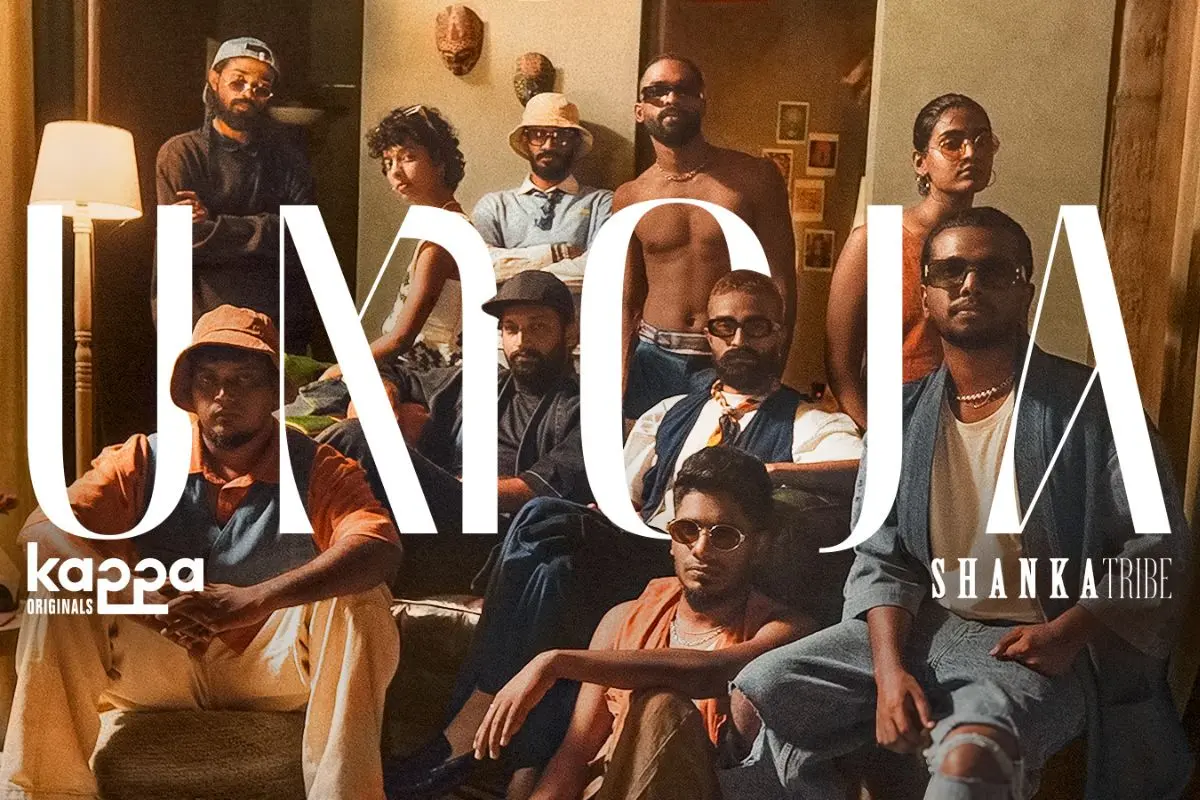
Rooted in Kerala yet resonant with the sounds of the world, Shanka Tribe has carved a unique space in India’s independent music scene with their evocative blend of tribal rhythms, world music, and live techno energy. Formed by five members, Munna, Joel Jackson, Aswin Lal, Libin Nobi, and Hari Krishnan PV, the band has made its mark by transforming traditional instruments into tools of cultural connection.
Their music, carried by the call of the shankh that opens every performance, bridges ancient rituals and modern soundscapes, channelling earthy chants, meditative grooves, and universal human emotion. With their new Extended Play (EP) UMOJA, meaning “unity” in Swahili, the band continues its exploration of connection and collective healing through music.
The project brings together diverse influences, from African djembe beats and Australian didgeridoo tones to Middle Eastern oud melodies and Indian morchang textures, in a sonic conversation about hope, peace, and shared humanity.
Mathrubhumi English got the opportunity to speak with Shanka Tribe about UMOJA, the creative process behind it, and how the project represents a deeper calling for unity through rhythm, sound, and spirit. Here’s what they had to say.
1. How did the idea for UMOJA come about? Did you start with the concept of "unity" first, or did the songs inspire the theme?
The songs inspired the theme. When we began composing, we didn’t initially plan for UMOJA to become a 20-minute conceptual EP. It was only as the pieces evolved and found their own emotional fullness that we realised they were all connected by one essence, unity. That’s when we decided to bring them together as a continuous journey rather than separate songs.
2. UMOJA, KARMI, MHASO, and ITHEMBA are all Swahili words. Can you walk us through why you decided to use the Swahili language for naming this EP?
We’ve always felt a deep connection to African music and rhythms. Maybe it’s the ancestral memory within us; after all, we all trace back to Africa. The Swahili language, with its simplicity and warmth, felt perfectly aligned with the spirit of the music; honest, soulful, and full of movement. The culture, rhythm, and innocence of the Swahili people have always inspired us, both as artists and as human beings.
3. You've created "tribal trance," a genre that didn’t really exist in Indian independent music before. How would you define this genre to someone hearing it for the first time?
We often call our music "Tribal Trance" or "Organic Trance," sometimes even "World Music." It’s a sound that merges ancestral rhythms with modern electronic grooves, meditative yet powerful. It may not always catch you on the first listen, but when it does, it connects deeply. Some people feel it instantly; for others, it grows with every listen, becoming almost spiritual in its repetition.
4. Your band uses instruments from different continents and cultures. What’s your approach to mixing tribal instruments with synthesisers and electronic elements?
We have this constant urge to explore something new, to create sounds that surprise even us. Our approach is more intuitive than technical. Every instrument we use, whether tribal or electronic, is chosen for its emotional texture. We try to find a natural balance between the organic and the synthetic, where a didgeridoo can breathe alongside a synth pad or a frame drum can dance with an electronic bassline. Ultimately, it’s about making music that feels honest and brings joy to our inner child.