Kerala’s film grant for emerging talent: Allegations of corruption and call for project reform
Kerala is the only state in the country, where the government is encouraging women and Scheduled Castes and Scheduled Tribe youngsters to embark on a career in meaningful films. Eight debut films were made through a grant of the government so far. One of them, a film named “Victoria”, made by a National Institute of Design trained lady, has won an award in an international film festival.
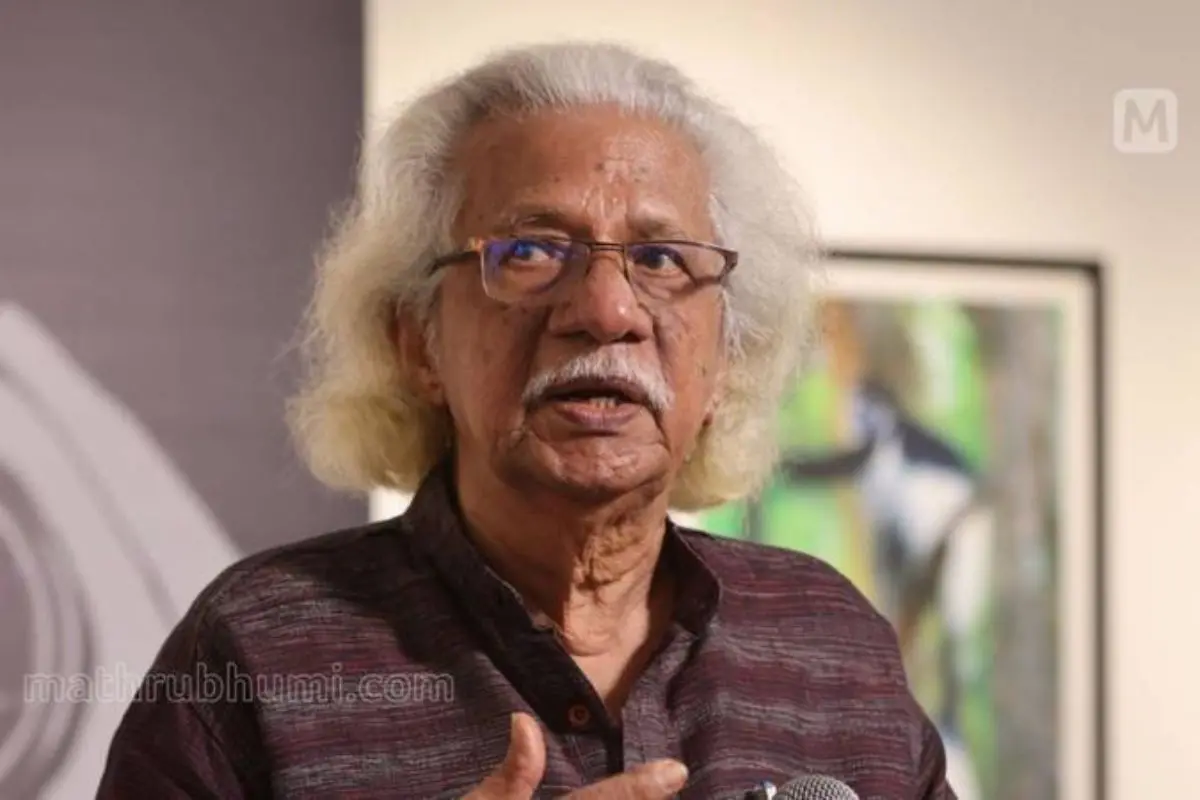
But going by the recent controversies about the programme implemented through the Kerala State Film Development Corporation (KSFDC), the entire project has serious implementation issues. Allegations of corruption, arbitrariness by the handing officials and mistreatment of the young debutant filmmakers have been exposed through complaints of these filmmakers who have gone public recently. However, matters took a serious turn after veteran filmmaker Adoor Gopalakrishnan raised the issue at a film conclave organised by the State government in August. He was accused of being biased (caste wise) aiming to stop this programme.
Very few knew that a young filmmaker had met Adoor a week before the conclave and bitterly complained about the experience she met at the hands of those handling production at KSFDC, the implementation agency of the government under the scheme. She had posted her meeting with Adoor on her Facebook page, along with an RTI document which she received about the distribution of funds to the crew of the film. Many in the crew, it is alleged, have not been paid fully after taking vouchers for their fees.
In her earlier complaint to the Minister for Culture Saji Cherian, the same woman filmmaker had pointed out several irregularities in the making of the film. “A big amount is being transferred to a line producer’s account for the production of the film. No idea whether he was using the amount for his personal needs too. The same was done for post-production but have no idea how the money was used”, she pointed out. The line producer was a private person and not from the staff of KSFDC. Out of the eight films funded under the scheme, four filmmakers who went through the harrowing experience of film production have complained to the Minister. Three by way of letters and one in a personal meeting. However, soon after the controversies an impression is sought to be created that those criticizing the KSFDC is wanting to end the programme, a fact vehemently denied by those, including Adoor. For fear of being ungrateful, the filmmakers have now paeans to the very KSFDC which they had complained earlier through their social media handles.
“The project is for empowering women in films, but the engagement with KSFDC lacked gender sensitization. Though the Managing Director (of KSFDC) was a woman, there were no such courtesies extended to women filmmakers. I had written to KSFDC when one of their employees called up my VFX team to change the credit line after the censoring of the film”, the women director went on. The same employee (of KFDC) even ordered the woman filmmaker to get out of the production meeting “Unprofessional, insulting and intimidating”, is what she wrote in the representation to the Minister. The lady filmmaker also urged the minister to keep the representation confidential as she feared personal attack on her.
The programme initiated during the first tenure of the present government, led by the Left Democratic Front, was aimed at empowering young women filmmakers with a grant facilitating a debut film. Later the government in its wisdom, decided to extend the grant to youngsters from Scheduled Castes and Scheduled Tribes. Interestingly, the filmmakers were chosen on the basis of their script. No formal training in filmmaking was insisted by the government, even though every year at least half a dozen Keralites gain admission to both Central government-run Film institutes at Pune and Kolkata not to speak about an yearly batch of 20 odd students at the Kerala government’s own film training institute. Clearly, the government had ignored the students trained in filmmaking, while formulating rules for selection of the grant. They did not even consider examining a funding programme of the Central government aimed at the Pune Film Institute graduates in the 1970s. The central funding had indeed led to a “New Wave” in Indian films during the 1970s.
The Kerala government, though starved of funds for its welfare pensions, decided to give a one-time grant of Rs 1.50 crores. The amount is considered the most liberal funding for a Malayalam film without big stars, as many newcomers are making Malayalam films with a budget of around Rs 1 crore. Many debut filmmakers, who have received national and international films, still make films with a budget around Rs. 50 lakhs too. With its own Studio, editing, sound suits, crew and production units minus the digital camera, the KSFDC can provide a facility worth around Rs 50 lakhs for these films where they are the producers. Interestingly, none of the filmmakers were part of the budgeting process of their films. Budget was decided by the line producer employed by the KSFDC, which according to last known reports have not been subjected to proper audit, leading to the suspicion about the actual utilization of the funds.
Going by the RTI reply from KSFDC to a filmmaker, Rs 3.11 lakhs was the director’s fees given to them that took over a period of over a year. The crew was asked to sign a voucher for the total fees and the money was paid in installments too. One filmmaker confessed that Rs 6 lakhs was spent on the properties needed for the film, but it was never reimbursed by KSFDC. As all of them were debut filmmakers and only one of them had dared to go to the media with her bitter experiences in making her first film under the government programme.
Clearly, the Kerala government project to empower young women and men of weaker sections of the society with liberal funding for their first film has not been a rewarding experience for the beneficiary filmmakers. The filmmakers have no rights over their films and hence are not even able to showcase their work or send them to film festivals, the way any debutant filmmaker does. The programme clearly warrants a review and mid-term corrections in its implementation. However, like most government progammes in Kerala aimed at welfare of the target groups, criticism of this programme is being reduced to be an act against lower caste beneficiaries. Some vested interests have no qualms in accusing veteran filmmaker Adoor Goplakrishnan of harbouring caste bias in suggesting reforms in this programme. They conveniently forgot that former Cultural Minister AK Balan, while introducing the programme for SC &ST beneficiaries had consulted Adoor, as he was the Chairman of the Film Institute under the State government then. They also forget that the original plan intended for young women filmmakers was later expanded to SC& ST sections to make it appeal to weaker sections of the society.
As for the allegations of caste bias against Adoor Goplakrishnan, there is an interesting anecdote in a book named, “Kolkata cocktail” (published by Mathrubhumi Books, 2010) by film writer and national awardee, documentary filmmaker Joshy Joseph. Joseph was part of the production unit of “Kathapurshan” a semi auto-biographical film of Adoor. Joshy noted that despite the caste hierarchies inherent in a Tamil film unit, Adoor ignored all of it and mixed freely with the unit staff. “The shooting unit culture of Tamil Nadu is almost like that of the caste hierarchy of North India. I could still remember the surprise among the unit members, when Adoor sat in a chair vacated by a light boy for his lunch. May be the Gandhigram training (Adoor studied at Madurai Gandhigram before FTII) shaped his views on all these which he has been practicing in films and in real life“, Joshy remarked on the incidents at the unit. So much for Adoor and his caste sense and the complaints of people against him.
(The author is a writer and his latest book is “Noon films and Magical Renaissance of Malayalam films”)