Hey Bollywood! There's a Kerala beyond cliches and stereotypes
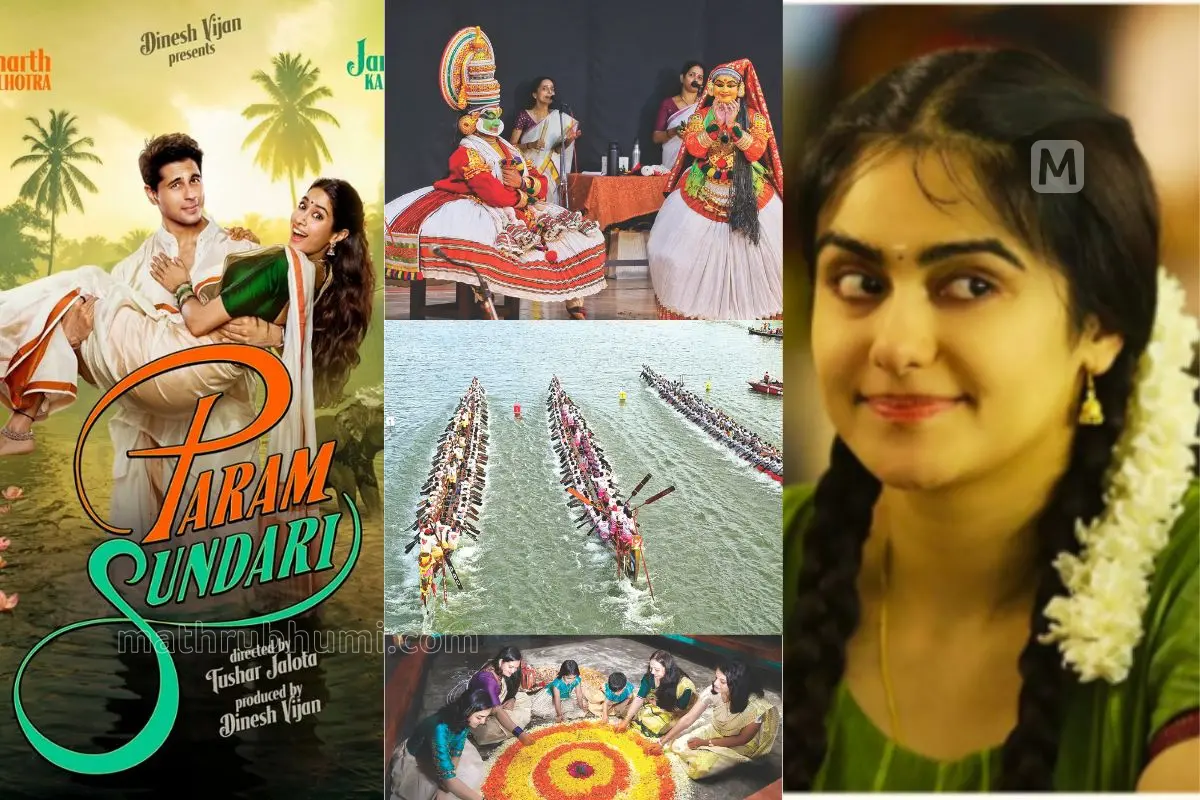
Kerala is often celebrated as a land of art, music, festivals, and vibrant life, proudly referred to as 'God's Own Country'. Its cultural landscape is vast with Theyyam, Kalaripayattu, temple rituals, folk music, tribal traditions, and countless regional practices.
Yet, in cinema and popular culture, Kerala is routinely appropriated and reduced to a handful of clichés meant to last forever. Coconut trees, elephants, Kathakali, houseboats, and backwaters are some of them. While these symbols are real, their overuse and isolation erase the depth of Kerala's cultural reality.
For audiences outside the state, especially in Hindi cinema, these tropes often become the only markers of identity, misrepresenting a diverse and complex culture. Cultural inappropriation becomes most visible when representation turns into caricature.
Exaggerated Malayali accents, forced humour, or absurd stereotypes, such as 'people worshipping Mohanlal', are not just inaccurate but mocking. Bollywood has repeatedly indulged in this.
In ‘Param Sundari’, the meaningless line 'Dhekkpetta Sundari Damodaran Pillai' used Kerala accent as a comic afterthought, with no cultural context. 'The Kerala Story' fared no better, with its clumsy line, 'Shalini Unnikrishnan from Thiruvananthapuram', sounding alien even to Malayalis themselves. The "nattil evideya" dialogue is another example of the so-called "typical Malayali thing" widely identified and overused.
Tamil cinema, despite Kerala's deep connections with Tamil Nadu, has also kept Malayali identities on the margins. Apart from rare instances like 'Vinnaithaandi Varuvaayaa', Malayali characters are either invisible or crudely sketched.
Food, too, is subject to appropriation through selective portrayal. Kerala's cuisine is often reduced to 'sadya', 'karimeen pollichathu' or the token Malabar biryani, ignoring tribal and regional variations. The 'beef-porotta' label has been turned into a shorthand identity, sidelining staples like tapioca and fish curry, pork and jackfruit dishes from the high ranges, or bamboo rice and forest-foraged foods from tribal communities. Such selective appropriation not only narrows Kerala's image but also disrespects the communities whose culinary heritage is erased.
Music is handled in the same way. Certain cues are used as convenient Kerala signals in films. The 'Punchiri thanji konchikko' snippet from the 'Jiya Jale' song or the pounding rhythm of 'chenda melam' are the most popular. These familiar references substitute for meaningful engagement, while other musical traditions, from 'idaykka' and 'thudi' to the haunting tribal songs of Attappadi and Wayanad, are systematically neglected.
Women characters suffer from similar cultural flattening. Invariably shown in set sarees with jasmine in their hair, they are locked into a decorative, traditionalist frame that fails to reflect real, diverse identities.
Festivals, too, are subject to selective appropriation. Onam alone is highlighted in mainstream portrayals, while countless other regional festivals, from Pooram to Vishu to the vibrant temple celebrations across Kerala, are barely acknowledged. Even Onam itself is narrowed to just 'Vallamkali' (boat race) and 'sadya', ignoring the varied ways it is celebrated across different communities and regions within the state. This oversimplification reduces a living tradition to a staged spectacle.
The appropriation of Kerala's art forms shows an even deeper problem. Kathakali, among the most respected classical traditions, is often stripped of its narrative and philosophical core, used instead as a backdrop for weddings or tourist shows.
Theyyam, with its profound spiritual and social dimensions, rarely finds space in cinema except as a visual token. Tribal art forms such as 'Mudiyettu' or 'Panan Paattu' are excluded altogether, while tribal music remains almost invisible on screen in films that claim to represent Kerala.
"In such a situation, the makers of these films are themselves being teased in front of their audiences for the inappropriate portrayal of cross-cultural characters, particularly in the way these characters speak and behave," says screenwriter Mridul George of 'Luca'.
"First of all, it is a lack of research. It is taken for granted. Earlier, the content did not have much reach, but now things are changing. People across the world are watching more Malayalam films. It is not only in Hindi; even South Indian films have sometimes done the same. 'Malayali fetish' is the term. It comes from a lack of diligence and the inattention of directors and writers. They assume this is enough for the audience, which is the real problem.
"To reduce this, we need to call out such representation whenever it appears. It will be a slow process, but mainstream media, content creators and others are beginning to raise their voices against this kind of misrepresentation, apart from the language barriers. Properly calling out the problem is important. To avoid this, assistant directors or dialogue coaches from the language can be hired for support, something not very expensive, but an effective way to reduce such 'accentish' usage."
Film director Jithin Raj, of 'Pallotty 90's Kids', echoes the sentiment. "It is not a good practice. Malayalam cinema often tops Indian festivals and gains international acclaim. As filmmakers, we have a responsibility to show the reality of a place. Only then can we remain sincere to our work and to the art of cinema. Anyone can make films, but the maker's point of view and politics inevitably influence the way a film is shaped. Dialogue between the director and the writer is crucial; it helps in sharing inputs and ensuring that the actual cultural essence, including language, is represented.
"The director’s perspective is important. He or she has the freedom to choose that perspective, but must also keep in mind the overall structure of the film and the responsibility of portraying cultural truthfully. Very often, issues of accent or cultural inappropriation arise simply from a lack of research."
In short, Kerala’s representation in cinema and art often slips into cultural inappropriation, the selective borrowing of symbols, stripped of their meaning, for easy recognition or exotic appeal. This reduces a vibrant, diverse culture into a handful of tropes, while mocking, mispronouncing, or sidelining its true voices.
If cinema and art are to serve as mirrors of society, they must move beyond appropriation and stereotype. Kerala is not just coconuts, elephants, or banana-leaf meals; its richness lies in the diversity of its art forms, cuisines, and lived practices. Respecting that diversity is not optional, it is essential for authentic cultural storytelling.