Leasing MQ-9s again: India's smart move
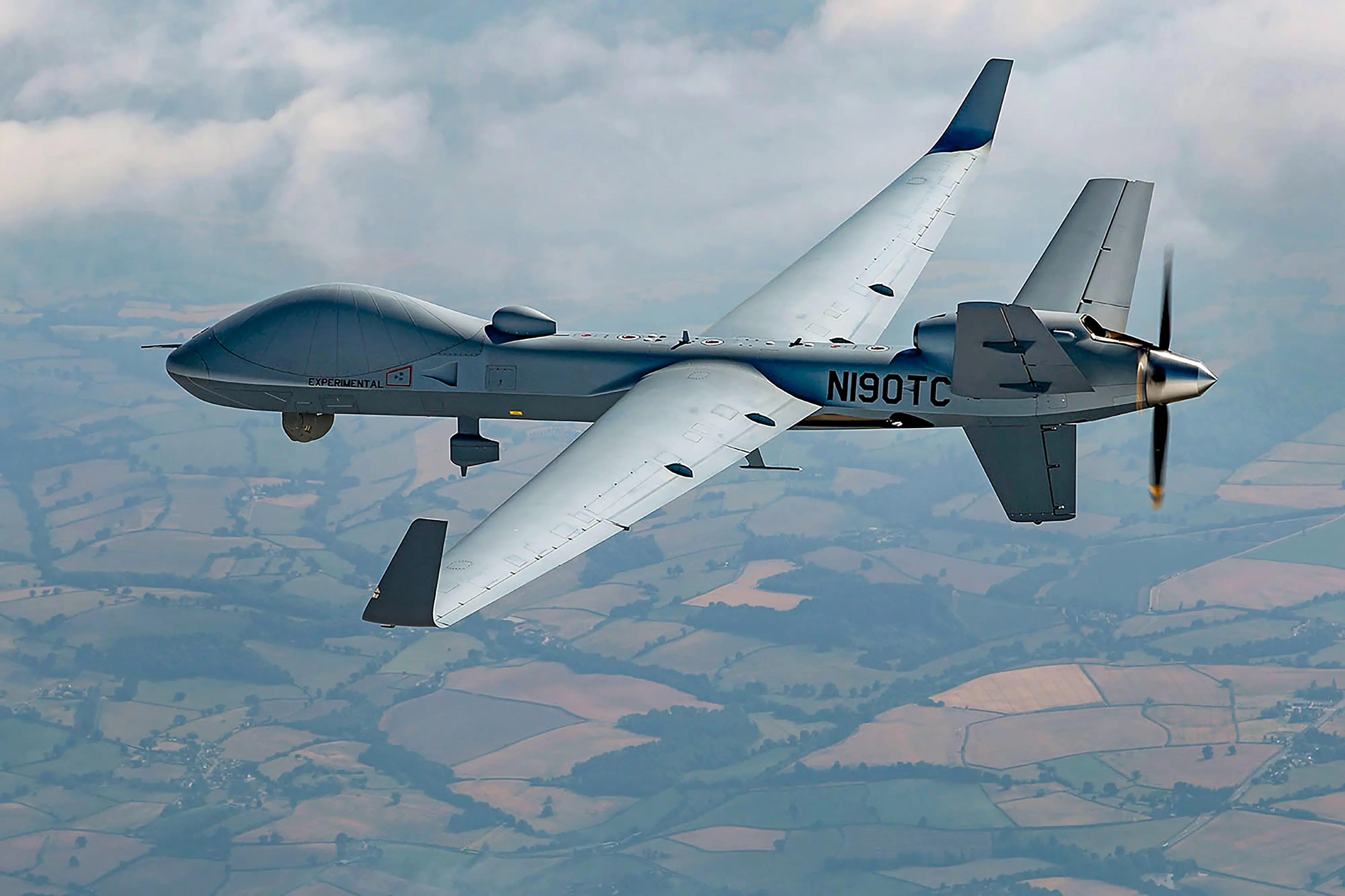
On 17 August 2026, the Ministry of Defence signed an agreement worth ₹1,943 crore with the American company General Atomics Aeronautical Systems. Under this deal, the Indian Navy will lease two MQ-9B Sea Guardian drones for a period of thirty months.
This is not a new experience for India, because such aircraft have been taken on rent before. Naturally, a simple question comes to mind. When the country has already decided to purchase a much bigger number of these drones, why is it renting two of them once again?
The answer lies in timing. In October 2024, India signed an inter-governmental agreement to buy 31 MQ-9B drones. Out of these, 15 Sea Guardians are meant for the Navy, while 16 Sky Guardians will be shared by the Army and the Air Force. However, the first of these owned aircraft will reach India only from early 2029. That leaves an empty stretch of nearly three years. As reported by India Today, the fresh lease works as a practical bridge across this gap. Leaving the ocean unwatched for so long would be a risk the country cannot afford.
Leasing can be understood in a very simple way. It is like renting a house while quietly saving money to buy your own. India's regular defence purchase system is long and layered. It involves detailed evaluation, several levels of approval, technical trials and hard negotiations. This chain can easily stretch over many years. Leasing allows the Navy to meet an urgent need without waiting for every file to move ahead. The same path was chosen in 2020. After Chinese forces built up along the Line of Actual Control and a violent clash took place, the Navy quickly leased two Sea Guardians. Those machines watched Chinese naval movements in the Indian Ocean when speed mattered most.
There is another quiet reason behind this decision. The lease protects the knowledge the Navy has already built. Pilots, technicians and operators have spent years learning how to fly these drones, read their data and fit that information into larger naval plans. If the aircraft were returned and everyone had to wait till 2029, much of this hard-earned experience would slowly fade away. As reported by India Today, the thirty-month lease is timed to run almost exactly until the first purchased drones are expected. When the owned aircraft finally arrive, the Navy will use them at full strength instead of learning everything again.
A very practical benefit also comes with renting. Under a lease arrangement, a large part of the maintenance and support work remains the responsibility of the supplier. In September 2024, one of the earlier Sea Guardians developed a technical failure and had to be ditched at sea. General Atomics provided a replacement without charging India anything extra. Such backing reduces pressure on Indian resources and gives the Navy the confidence to keep flying these aircraft regularly.
The strategic need has only grown with time. The Indian Ocean is enormous, spreading from the eastern coast of Africa right up to the Malacca Strait. Through these waters travels a large share of the world's oil, gas and commercial cargo. India depends on these sea lanes for energy, trade and economic stability. The region also stays sensitive because foreign navies move through it, piracy remains a danger, and tension can rise without warning. After Operation Sindoor in 2025 and the continuing uncertainty linked to the US-Iran situation, the need for constant maritime awareness has become stronger.
The MQ-9B Sea Guardian is built exactly for this kind of duty. It can remain airborne for more than thirty hours at a stretch, fly above 40,000 feet, much higher than passenger planes, and cover a mission radius of about 1,200 nautical miles. It carries a 360-degree maritime surveillance radar, high-definition electro-optical and infrared cameras that work by day and night, and acoustic sensor pods that help detect submarines below the surface. These tools let it gather intelligence, keep continuous watch, track ships and support anti-surface operations.
In everyday terms, the Sea Guardian works like a tireless eye in the sky. It can circle over a chosen area for long hours, send back clear pictures and radar data, and warn commanders about unusual movements long before a ship or submarine comes near the Indian coast. Being remotely piloted, it can enter areas that may be risky for manned aircraft.
By leasing two more aircraft now, India is not changing its long-term plan. It is only making sure that the plan does not leave a dangerous hole in the middle. The permanent fleet of 31 drones will finally give the three services a strong capability of their own. Until then, the leased Sea Guardians keep the watch alive, preserve valuable experience, share the maintenance load and strengthen India's firm hold over its own waters.