For over 50 years, Valmik Thapar roared for the Tigers
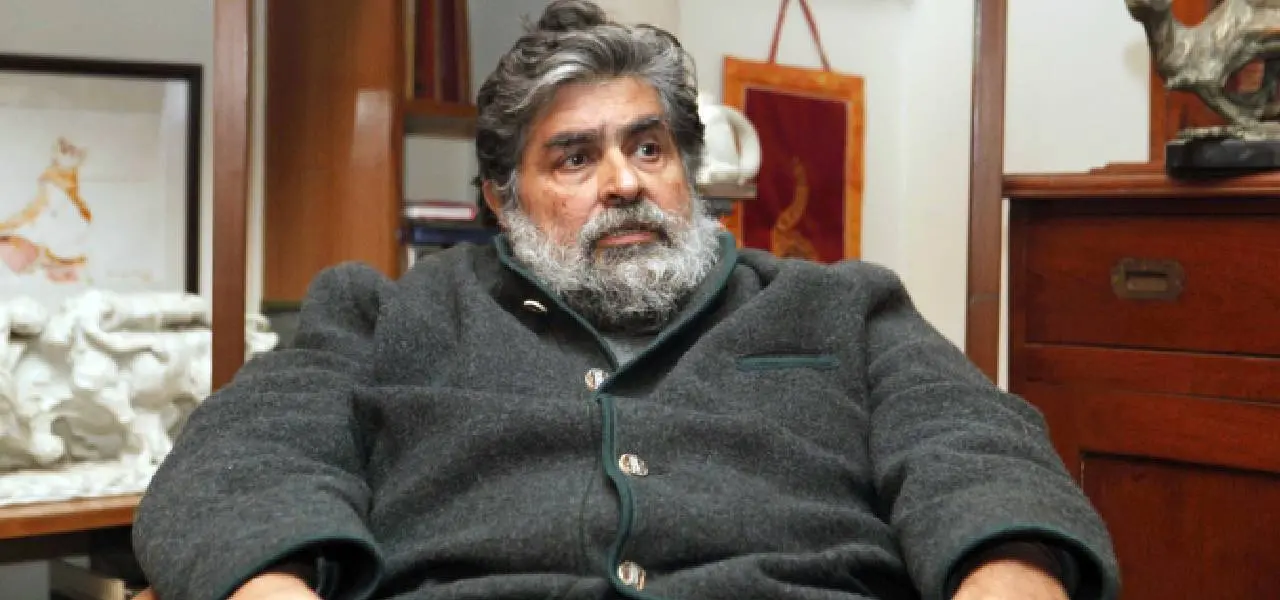
It is not just tigers which face extinction in India. Tiger conservationists too are a depleting species.
The passing away of ‘Tiger Man’ Valmik Thapar, aged 73, in Delhi on May 31 after a battle with cancer, confronts us with this acute reality.
If you came within arms-length of Valmik during a discussion, you were sure to have received a few punches as he embellished every point he made with an emphatic knock on your body as his passion and concern for the tiger and its habitat welled over.
This was no empty passion. It was the passion of a thinking and feeling man confronted with the immovable idiocy of an obtuse system. The sheer imperviousness of successive governments to the centrality of the tiger in any scheme for sustainable development in the subcontinent, rendered him permanently furious.
No amateur hobby this. For over fifty years, he had trekked across the interstices of the tiger habitats of Ranthambore, Sariska, Corbett, Bandhavgarh, Panna and Kanha. Having closely monitored the government’s ‘Project Tiger’, initiated in 1973, he had over the years turned into one of its fiercest critics.
The 58 tiger reserves in India holding, in 2024, close to 3,800 of the majestic animals, ostensibly account for over 75% of the world’s tiger population. Valmik seemed to be personally connected and concerned with every one of them. And he raged against the unidimensional approach of both the central and state governments in their understanding and approach to implementing tiger conservation across the country.
Obviously, he was a wrong man in wrong times. You have to be a bit soft in the head to imagine that this country would actually see and understand and appreciate the connection between tigers, forests, habitats, climate and human sustainability. Biodiversity is perhaps the least understood idea in modern India.
Forest dwellers and tribal communities and environmentalists might understand it. But a nation on the fast track to a fixed notion of development as being almost entirely dependent on extraction of natural resources and denuding of forests, pretends to exhibit its concern for the tiger by the clever device of instituting committee after “expert” committee. Valmik was part of a record number of some 150 such official committees and panels in which kilos of cashew nuts and litres of tea were consumed, with pretty little happening for the big striped cat.
Of course, coming of privileged stock – his father was the redoubtable Romesh Thapar, founder of the influential Seminar magazine, his aunt the ever-relevant historian Romila Thapar and his elder sister the editor and curator Malvika Thapar – Valmik always had the ear of those in high places, including bureaucrats and ministers. But he always felt they merely jollied him along and never took him seriously. He used to compare it with the empathy and concern his mentor Fateh Singh Rathore, an early pioneer of tiger conservation, showed him, which eventually enabled him the lasting contributions he could make to the Ranthambore Tiger Reserve.
His 30-odd books and scores of wildlife documentaries indicated his concern and depth of involvement in his core subject and, under the UPA government, he even got inducted into the National Wildlife Board and was appointed head of the Tiger Task force in 2005 after he raised an alarm over the disappearance of tigers from the Sariska Tiger Reserve. But his proposals of keeping tiger zones free of human and tourist activity were quietly ignored.
He was married to noted actor and theatre activist Sanjana Kapoor (daughter of actors Shashi and Jennifer Kapoor). They have a son Hamir.
There were many ways this hearty, bushy bearded, generous, twinkling man might have met his end. He could have easily become a succulent meal for a hungry tiger out in the forest or he could have gone having burst a vessel in anger in the jungle and maze of an official department. But this abrupt departure now is likely to put tiger conservation in India on the backfoot for some time.