FIFA World Cup 2026: The message to fans is simple…leave your drones at home
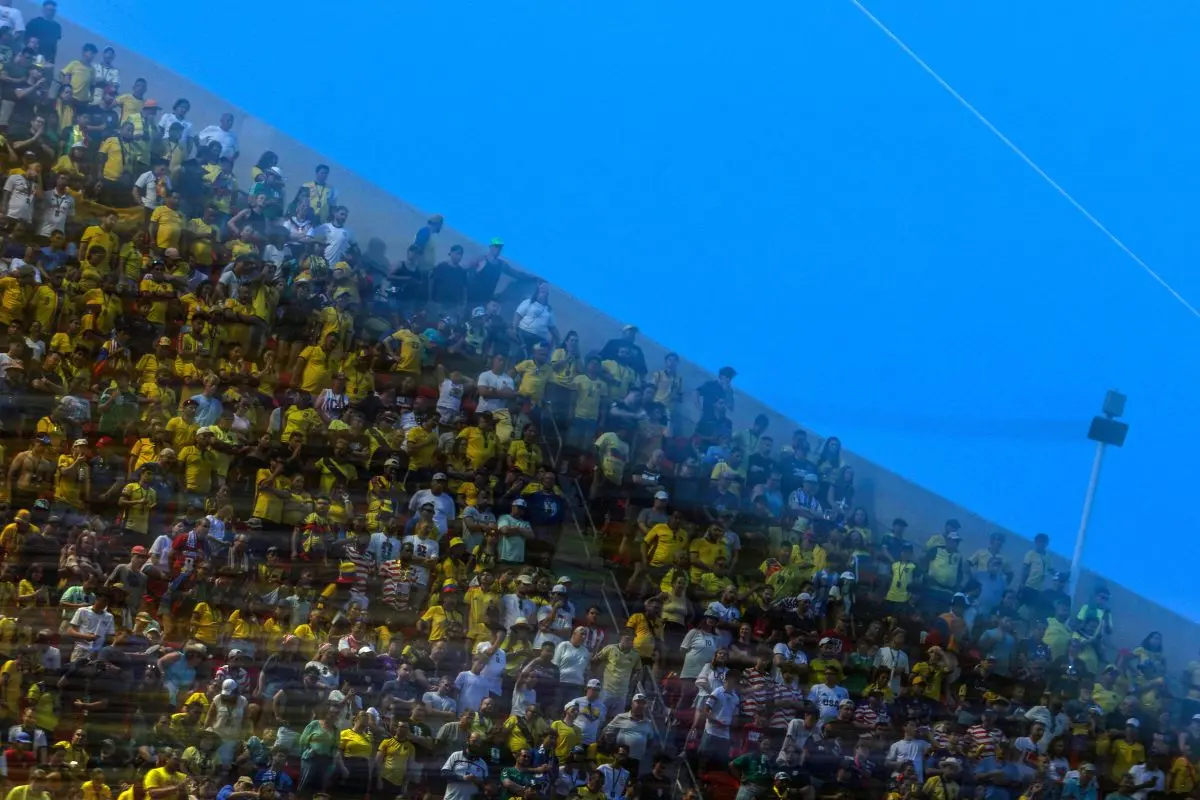
The FIFA World Cup 2026 is now underway, with millions of football fans flocking to stadiums and fan zones across the United States, Canada and Mexico for what is the biggest tournament in the competition's history. As the action unfolds on the pitch, authorities are working behind the scenes to ensure the event remains safe and secure for players, officials and supporters alike.
One important message is being shared with fans attending matches and official events: leave your drones at home.
Keeping the skies safe
The US Federal Aviation Administration (FAA), together with law enforcement agencies, has declared all FIFA World Cup 2026 stadiums and official fan-event locations as strict "No Drone Zones."
This means that unauthorised drones will not be allowed to fly near match venues, fan parks, training facilities, team hotels, or other official tournament locations.
Temporary Flight Restrictions (TFRs) will be activated around stadiums on match days, creating protected airspace designed to keep players, spectators, officials, and aircraft safe.
For football fans, the rule is straightforward, enjoy the match, take photographs from the stands, but do not attempt to fly a drone anywhere near World Cup events.
Why drones are a concern
Over the past decade, drones have become increasingly popular among travellers, photographers, and sports enthusiasts. While they can capture spectacular aerial views, they can also pose safety and security risks in crowded environments.
Authorities say even a small drone can create serious concerns around major sporting events. A drone entering restricted airspace could disrupt security operations, interfere with emergency services, or create risks for aircraft operating near stadiums and airports.
To prevent such situations, the FAA, the Federal Bureau of Investigation (FBI), and local law enforcement agencies will actively monitor the skies throughout the tournament.
Heavy penalties for violators
Officials have warned that anyone caught operating a drone in restricted World Cup airspace could face severe penalties. Civil fines can reach up to $75,000 per violation, while criminal fines may go as high as $100,000. Authorities are also authorised to intercept and confiscate unauthorised drones, and serious violations could lead to criminal prosecution and arrest.
The FAA's recently launched Drone Expedited and Targeted Enforcement Response (DETER) programme will also be used during the tournament to strengthen enforcement efforts.
World Cup venues under protection
The restrictions will cover all major World Cup stadiums across the United States, including iconic venues such as SoFi Stadium in Los Angeles, MetLife Stadium in New Jersey, AT&T Stadium in Texas, Hard Rock Stadium in Miami, Mercedes-Benz Stadium in Atlanta, and several others hosting matches between June and July 2026.
Additional restrictions will also apply at fan-festival locations in cities including Los Angeles, Dallas, Houston, Atlanta, Boston, Miami, New York, Philadelphia, and Kansas City.
In most cases, drones will be prohibited within a one-nautical-mile radius of designated event sites and up to 1,000 feet above ground level.
A celebration of football
For fans travelling from around the world, the message is ultimately about ensuring that everyone can enjoy the tournament safely. The FIFA World Cup is expected to attract millions of visitors, creating a festival atmosphere across host cities. Authorities want supporters to focus on the excitement of the matches, the celebrations in fan zones, and the unique experience of being part of football history.