Explainer: How Donald Trump's first few actions will impact United States
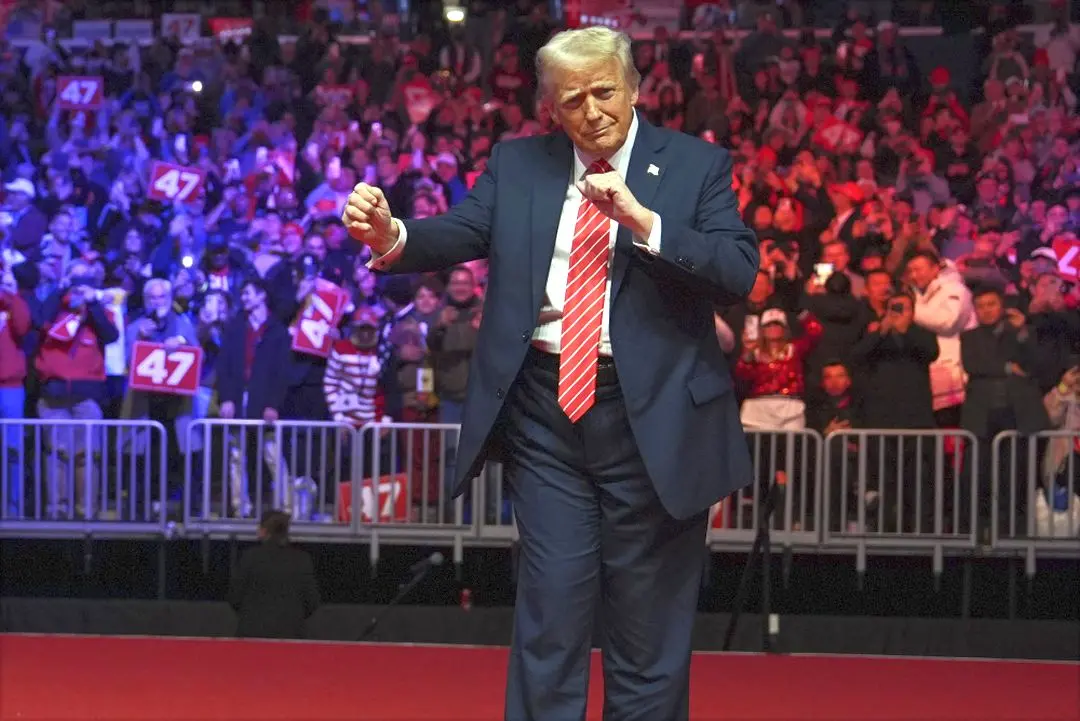
On Monday (January 20, 2025), President-elect Donald J Trump will officially take the oath of office. While the first 100 days are usually used to judge a new president's early success, Trump has vowed to act quickly, signing executive orders, issuing agency directives, making nominations and granting pardons in the first hours—and days—of his second term.
The major actions anticipated on 'Day One' are expected to affect businesses and industries significantly.
What is an executive order?
An executive order is a command from the President to federal agencies, departments, or officials, telling them how to manage, or carry out, tasks within the executive branch -- the part of the government responsible for enforcing laws and managing public policies.
Issuing, or cancelling, executive orders are powerful tools for a president because they do not need approval from Congress. As long as the order is based on the president's legal or constitutional authority, it has the same power as the law.
President-elect Trump, who signed 220 executive orders during his first term, is expected to issue many more in the early days of his second term. These orders will, possibly, focus on addressing campaign promises and undoing policies from former president Joe Biden's presidency.
They may include actions in such areas as:
* Tariffs: This could include framing policies to apply a tariff of up to 10% on imports from around the world, 60% on goods from China and a 25% import tax on products from Canada and Mexico
* Immigration & Border Security: This could involve ordering border agents to arrest more people at the southern border -- the border between the US and Mexico -- using military resources there and pushing to restart and speed up the construction of a border wall
* Energy & Environmental Policy: This could include starting the process to pull the US out of the Paris Agreement, boosting energy production at home by ending drilling restrictions -- even in the Arctic -- lifting bans on liquefied natural gas (LNG) exports and stopping Biden-era support for electric vehicles
* Regulatory Rollbacks: This could include cancelling a Biden order that aimed for net-zero emissions in Federal operations by 2050, undoing Biden-era rules that limit emissions from power plants and other environmental policies and pushing for fewer regulations across government agencies
* Federal Workforce: This could include reducing remote work options for Federal employees, meaning that more government workers would need to return to the office instead of working from home (WFH)
* Diversity, Equity & Inclusion (DEI) Policies: This could include stopping all Diversity, Equity and Inclusion (DEI) programmes and rules in the Federal government -- initiatives aimed at promoting fairness and equal opportunities for people from different backgrounds. Supporters of such a ban argue that these programmes can, sometimes, lead to hiring, or promotion based on identity rather than merit, potentially creating inefficiencies.
Some of the executive orders (EOs) that President Trump may issue on his First Day could have an immediate impact on policies, while others may be more symbolic, showing the Administration’s priorities.
Such actions as imposing tariffs, or instructing Federal agencies to reduce regulations could quickly affect how the government operates, or influences, the economy directly.
On the other hand, some EOs may mainly serve to highlight the promises made during the campaign. For instance, they could include general instructions for government agencies to 'review policies' without having any real power to enforce changes. These types of actions are more about sending a message, rather than making immediate changes.
Many EOs that President-elect Trump is expected to issue will, possibly, face legal challenges in Federal courts. This is especially true for orders on such controversial topics as immigration, tariffs and rolling back environmental protections.
Those who oppose these executive orders -- advocacy groups, state governments, or trade partners -- may argue that some of them go beyond what the President is allowed to do.
They may even claim that the orders conflict with the existing laws, or go against the grain of the Constitution. Similarly, actions focussed on immigration enforcement could be criticized for violating people's legal rights, or going against the current immigration laws.
Courts usually give presidents freedom to issue EOs, but judges can block them if they find that they do not have strong legal, or constitutional, validity. Opponents may also challenge how government agencies carry out EOs. For instance, they could argue that the agency did not follow the proper steps required by the Administrative Procedure Act.
Other potential actions
* Granting Pardons & Reducing Sentences: Most of the new president's decisions on Day One will, possibly, be made through EOs, or policy directives. However, other types of actions are also likely to happen. Trump has said he plans to use his clemency powers right after taking office. This includes giving pardons and reducing sentences for people involved in the January 6, 2021, US Capitol incident. That incident was a violent attack where a mob stormed the Capitol to disrupt Congress’s certification of the 2020 election results.
Former president Donald Trump was accused of encouraging the crowd with supposedly 'baseless' claims of election fraud during a rally earlier that day, although he denied responsibility for the violence.
The President has almost complete power in this area. This authority covers all Federal crimes and, usually, cannot be restricted by Congress, or challenged in court.
* Staffing Updates & New Appointments: After taking the oath of office, president-elect Trump is expected to keep announcing important staff and appointments, working to fill any open positions in his Administration. Although most top positions have been announced, many important lower-level roles in the Administration are still vacant.
These roles are essential for developing, and carrying out, the Administration’s plans in such areas as energy, trade and immigration. Trump will, possibly, choose people who share his goals, including those with industry experience, or those critical of policies from Biden’s time in office.
People will pay close attention to these announcements to get a better idea of the Administration’s plans, as the choices often show how strongly policies will be pushed forward. The early comments from nominees may give hints about the government's plans for rules and enforcement in different Federal agencies.
* Department of Government Efficiency (DoGE) Updates: Trump is open to using ideas from his DoGE, an advisory group led by Elon Musk and Vivek Ramaswamy, which operates outside the government. The DoGE could have an important role early in Trump's Administration, focussing on cutting government spending, reducing regulations, improving Federal workforce policies and fixing inefficiencies. DoGE leaders are likely to support early White House plans to limit remote work for Federal employees, or to reorganize -- or even shut down -- certain Federal agencies or offices.
And, next on the cards?
As President-elect Trump begins his second term, his executive actions, staffing choices and policy changes are expected to influence the direction of his Administration quickly. From major executive orders to possible legal battles, businesses and others need to stay aware of the changing rules and the likely economic effects it will have on them.