Dulquer's ‘Lokah’ gesture sparks India's residuals revolution
Indian cinema is at a turning point. The Government of India has announced plans for Model State Cinema Regulation Rules -- a uniform framework to modernize outdated state laws, streamline permissions, and create an enabling environment for the industry. It has also emphasized local manufacturing of film equipment and the expansion of training hubs like the Indian Institute of Creative Technologies, signaling that cinema is being treated as both culture and industry.
Maharashtra, meanwhile, has begun amending its Cinema Act to align licensing and exhibition rules with “ease of doing business.” The proposed changes include simplified single-window clearances, redevelopment opportunities for cinema halls, and rationalization of service charges and taxes.
Kerala too has shown willingness to act, appointing the Hema Committee to study gender discrimination in cinema and recently hosting the Film Policy Conclave to explore a comprehensive policy framework. These efforts mark a step in the right direction, reflecting an awareness that cinema requires structural reform.
Yet it is noteworthy that such discussions often unfold without strong participation from legal voices -- a reminder that, in India, cinema is still not widely seen as a legal playground. The detailed implications of the Hema Committee report and Kerala’s evolving policy response will be taken up in the next episode of Reel Law Chronicles. (Reel Law Chronicles is an initiative of Musthafa & Almana’s Cinema Law Practice Division, the first structured practice of its kind focusing exclusively on the legal, regulatory, and contractual challenges of the film industry.)
Dulquer Salmaan’s Profit-Share Offer A Breakthrough Gesture
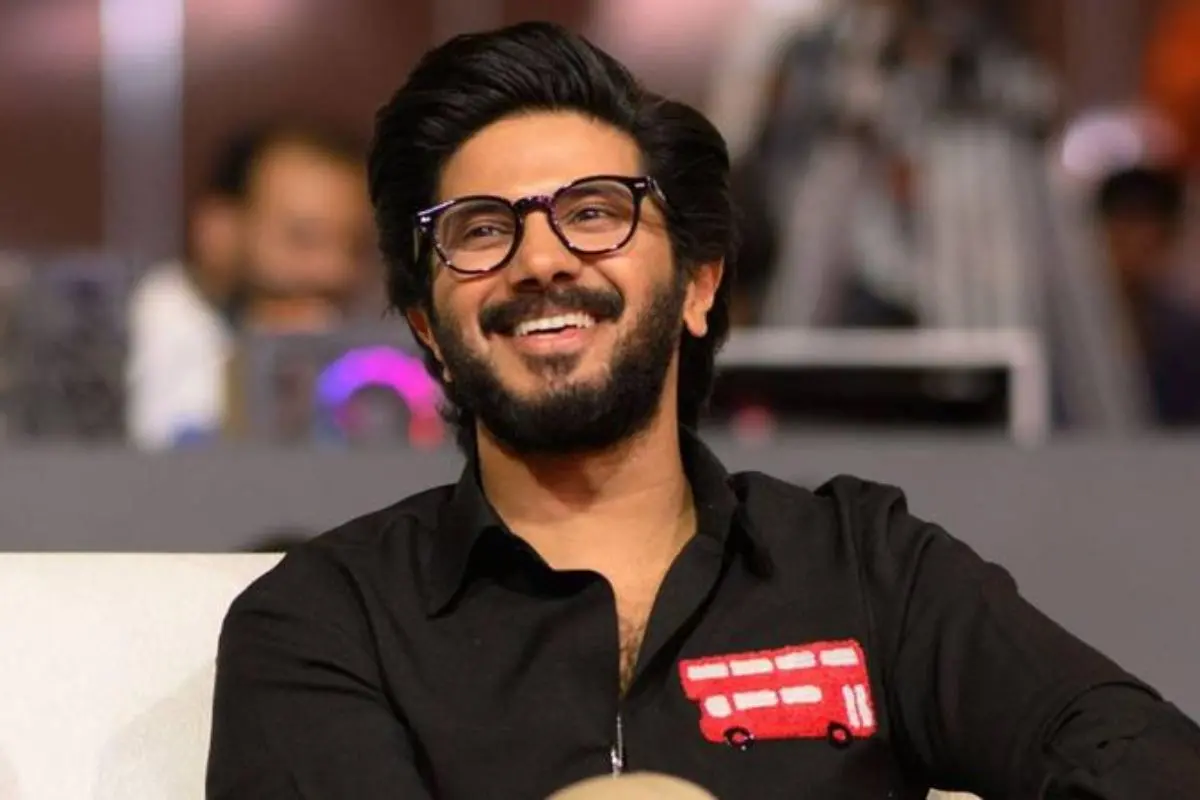
Amid this backdrop, actor-producer Dulquer Salmaan made a move that could reshape compensation in Indian cinema. With his blockbuster Lokah Chapter 1: Chandra, Dulquer announced that profits would be shared with everyone - from actors to technicians to crew.
This was more than a kind gesture. It was a statement: cinema is a collective enterprise, and its rewards should not be monopolized at the top. By creating India’s first female superhero on screen and by promising to share profits off screen, Lokah killed two birds with one shot - cultural innovation and economic reform.
Residuals: The Hollywood Blueprint
To understand the significance of Dulquer’s action, it helps to look westward. In Hollywood, compensation does not end once filming wraps. Every time a movie or show is rebroadcast on television, streamed on an OTT platform, sold overseas, or re-released, actors, writers, and directors continue to get paid. These ongoing payments are popularly known as Hollywood-style residuals.
Residuals are not charity. They are a legal right, negotiated through unions such as SAG-AFTRA and the Writers Guild of America. The Hollywood model of residuals ensures that payments are triggered by reuse, not just box office success. They are union-enforced and contractual rather than voluntary. Most importantly, they provide transparent and continuous income, turning creative work into a long-term livelihood.
Films, in truth, never end with their theatrical run. They live second lives on television, on OTT platforms, on airline entertainment systems, and in international dubbing markets. Each of these afterlives generates revenue. In Hollywood, that revenue is shared. In India, it remains concentrated at the top.
Actor Madhavan’s Reminder
The absence of such a system in India is not theoretical. Actor R. Madhavan put it bluntly when he remarked that if he had been a Hollywood actor, just three of his films - 3 Idiots, Rang De Basanti, and Tanu Weds Manu -- would have earned enough residuals to secure his family for generations. In India, he lamented, there is nothing.
His frustration highlights the stakes. If even leading actors feel vulnerable without residuals, what hope is there for the countless technicians, writers, and crew members who rarely make it to the headlines?
Dulquer’s Gesture vs Residuals
It is here that Dulquer Salmaan’s announcement in Lokah Chapter 1: Chandra takes on special significance. His profit-sharing gesture may not be a residuals system in the strict Hollywood sense -- it is a one-time, voluntary sharing of success, not a continuous right. Yet, it carries enormous symbolic weight.
By choosing to share profits openly, Dulquer has shifted the conversation: from compensation as a closed-door, one-off negotiation to compensation as a collective, transparent reward. His action may not replicate the Hollywood model of residuals, but it resonates with the Hollywood spirit of fairness. Most importantly, it has forced the Indian industry to start talking about an issue long kept off the table.
Global Lessons Beyond Hollywood
Other global film industries underline the point. South Korea ensures writers, actors, and musicians share in royalties from its booming exports.
France and the United Kingdom safeguard creators through copyright royalties and collective bargaining frameworks.
Nollywood in Nigeria, though prolific, continues to struggle with piracy and weak enforcement -- a warning of what happens when regulation lags behind growth.
China, now the world’s largest box office market, shows how state-backed infrastructure and incentives can power growth, though often at the cost of artistic freedom.
India has the opportunity to take the best of these models fairness, transparency, and royalties -- while avoiding their pitfalls.
India’s Opportunity: From Gesture to System
India now stands at a crossroads. With the Centre drafting model cinema regulation rules, Maharashtra modernizing its Act, and Kerala hosting industry conclaves, there is a rare alignment between government reform and industry debate. This moment offers the chance to transform profit-sharing from goodwill into law.
What Dulquer demonstrated voluntarily can become a structured practice if India begins to embed certain principles into cinema regulation and industry contracts.
A framework for profit-sharing and residuals can be designed for the OTT era, where films and shows live on across streaming, television, syndication, and global distribution. Transparency requirements, particularly revenue audits and disclosure norms, can ensure that contributors actually see their fair share.
Dispute resolution mechanisms, such as fast-track arbitration panels, can prevent long-drawn litigation and deliver timely justice to workers and artists. And importantly, state subsidies and tax incentives can be linked to fair compensation practices, so that those who embrace equity also receive policy support.
In other words, Dulquer’s gesture shows what is possible when individual conscience leads. But if the industry and the regulators seize this opportunity, India can move from isolated sparks to a systemic culture of fairness. The result would be an ecosystem where creativity is rewarded, where risk and reward are shared, and where law ensures continuity beyond the goodwill of one producer or star.
What’s Next: Dignity & Safety in Cinema
Money is only part of fairness. The other is dignity. The Me Too movement and the Hema Committee report revealed how vulnerable many in the industry remain. Workplace safety, grievance redressal, and enforceable codes of conduct are urgent needs.
Be Legal, Be Happy -- because all films deserve a happy ending.
The author is the Founder & Chairman of Musthafa & Almana, an award-winning global law firm. He leads the firm’s Cinema Law Practice Division, part of its wider commitment to the creative industries, alongside Music Law, Fashion Law, and Art Law practice divisions.