Interview | Cinematographer reveals 'secret' behind visual storytelling of 'Aadujeevitham'
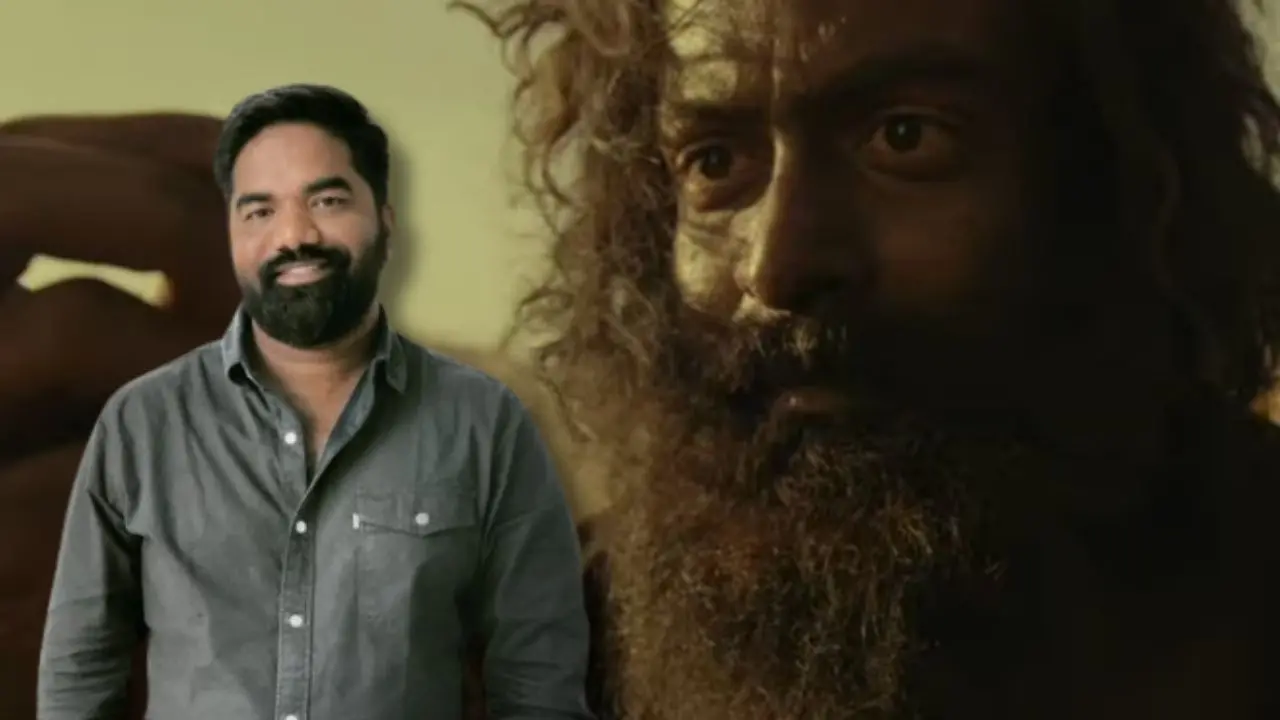
It's a rare occurrence to come across a movie that leaves you spellbound from the opening shots. Director Blessy's 'Aadujeevitham' is one such cinematic masterpiece that captivates viewers with its breathtaking visual extravaganza. Every frame of the movie is crafted with care and precision, leaving an indelible impression on the audience. Cinematographer Sunil K S said that he is grateful for the positive response. The dedication and hard work of director Blessy, Prithviraj Sukumaran and many others goes behind each and every scene in the film, he said.
Excerpts from the conversation:
How did you become a part of the 'The Goat Life'?
Kammara Sambhavam's director, Rathish Ambat, introduced me to Blessy Sir. When I read the script, it was clear that the movie had a grand scope. The first schedule of the film was shot by K U Mohanan, which include scenes depicting Kerala. Therefore, the shots portraying Najeeb's native place were not taken by me. When I joined the project in 2019, there was a shift in the technology used to film the desert scenes. I believe this change gives us a unique perspective on the two worlds depicted in the film.
The crew faced a hard time shooting in the deserts in Nigeria and Jordan. Due to the COVID-19 pandemic restrictions, you were stranded in Jordan for 70 days. Can you describe the thoughts that went through during that time?
During the filming abroad, we faced several challenges, but we were well-prepared. It was an amazing experience. We were all determined to do our best, and nobody wanted to compromise on any shot. Blessy sir was incredibly dedicated to the movie. Every frame, lighting, and other factors were planned and executed meticulously. The script demanded a barren and challenging terrain, so we used a colour palette that suited the desert scenes. The idea was to make the viewer feel they needed to escape the treacherous desert like the characters. However, we chose a creative shot for one sequence to add a unique touch to the movie.
We had to shoot multiple scenes every day, but sometimes, it would take 8 to 20 days to complete a single sequence. In total, we spent 110 days shooting scenes in the desert. However, filming in the desert was not without challenges. We had difficulty handling the camera and equipment due to the harsh conditions. During the first schedule, the lenses got damaged due to dust and sand. We were prepared for such situations and had brought a spare camera in case our primary camera was damaged.
During the early days of the lockdown, it was a very scary time for us. There were concerns about a potential water shortage, which was particularly worrying given that our crew consisted of 58 members and we had only 500 water bottles. However, we were able to seek assistance from the relevant ministry and the problems were gradually resolved. Over time, we adapted to our new situation. As a silver lining, the lockdown period actually provided an opportunity to shoot certain desert scenes in Wadi Rum without any human activity, which was great for our project.
The goats are an integral part of the story. Was it hard to manage all the scenes with goats and camels?
The filming of the goats in the movie posed several difficulties. Unlike the goats seen in Kerala, the ones found in the deserts are very difficult to manage. This made shooting a significant challenge. Blessy demanded certain scenes between Prithviraj and the goats, which proved extremely hard to shoot. It is one of the most emotional scenes in the movie. It was hard to predict the movement of goats. We spent several hours trying to capture these scenes. The scene in the trailer showing Prithviraj kneeling before a cauldron of water with goats nearby is one such shot.
The experience working with Prithviraj Sukumaran?
Prithviraj put a lot of dedication and hard work into the movie. He supported the entire crew. He was also very transparent with the crew, often telling us he may scold or shout at us, but we should not feel bad or take it personally. He explained that it was his mindset at the time, and it would help him get into the character. The crew supported him fully, knowing he was under a lot of pressure and stress to deliver his best performance. As the shooting progressed, Prithviraj's transformation into the character was truly remarkable and inspiring.
The movie features some awe-inspiring shots. In your opinion, which scene was the most difficult to film?
There were a few sequences that were particularly challenging to shoot. The first was a scene set inside a sandstorm. We were fortunate enough to have a real sandstorm occur during filming, as it would have been impossible to recreate that level of windspeed and atmosphere using effects. The second challenging sequence was a night scene with the actors running. It was difficult to light up the area properly for the scene, so it took us two full moon days to shoot.
Finally, there was a shot where the character saw a road in the desert that took nearly 43 retakes to get just right. It was a tiresome process, but we were committed to making the scene as perfect as possible.
We shot the desert scenes within a short two-month period, during which the winter season transitioned to summer. We had a limited time frame to capture the necessary shots. During this period, sandstorms, hailstorms, and rainfalls occur every year. Therefore, we were expecting the same weather conditions while filming the movie. Although we did not receive any rainfall, we did have a cloud cover. We created the rainfall and hailstorm scenes in the film practically. In the initial edit, the film was almost 3 hours and 45 minutes long. We trimmed down various sequences to 3 hours and 10 minutes before finalizing at 2 hours and 58 minutes.